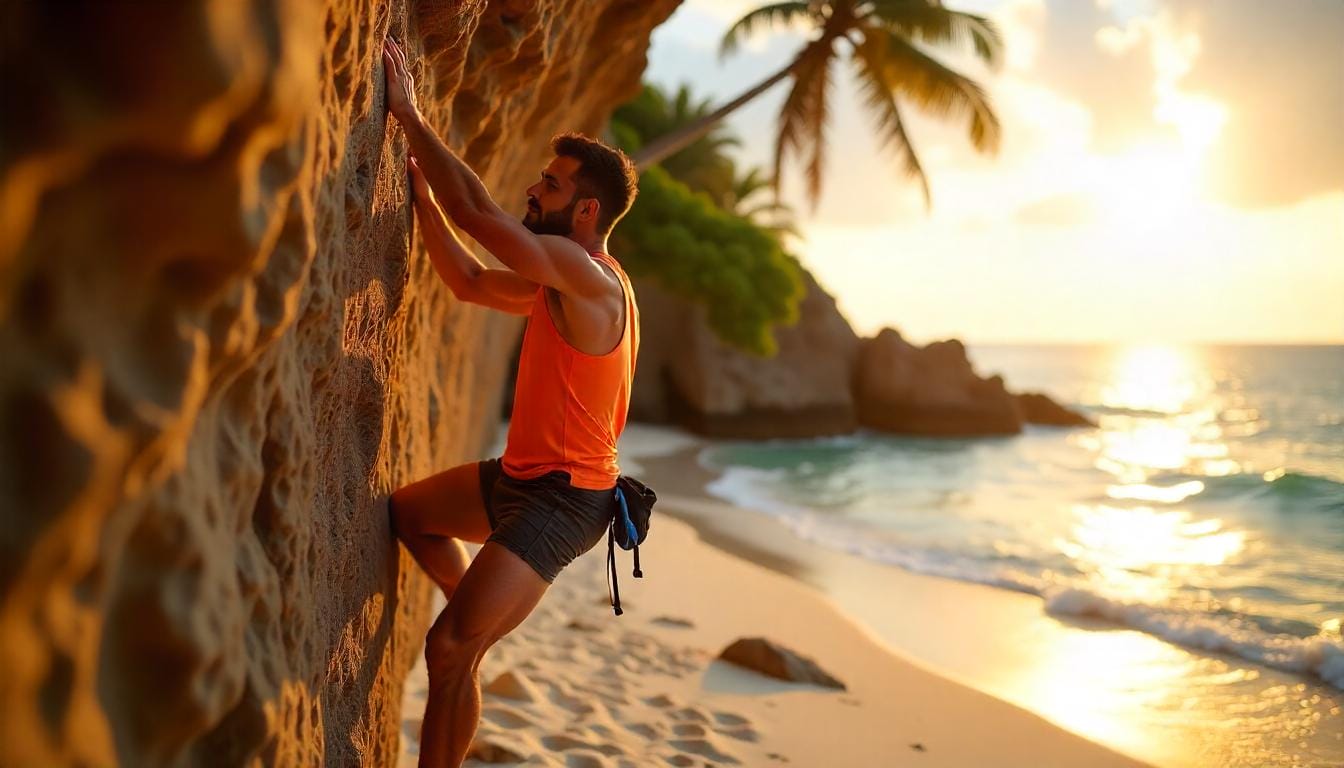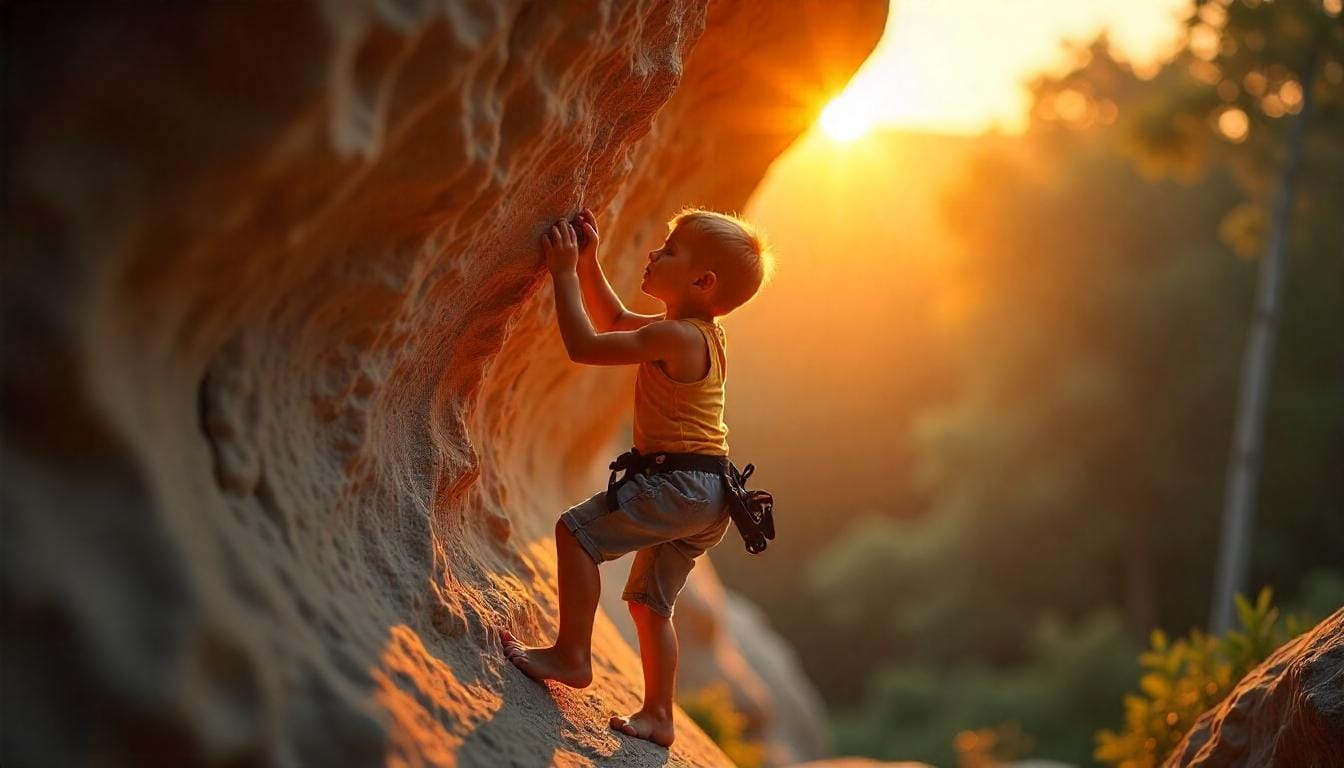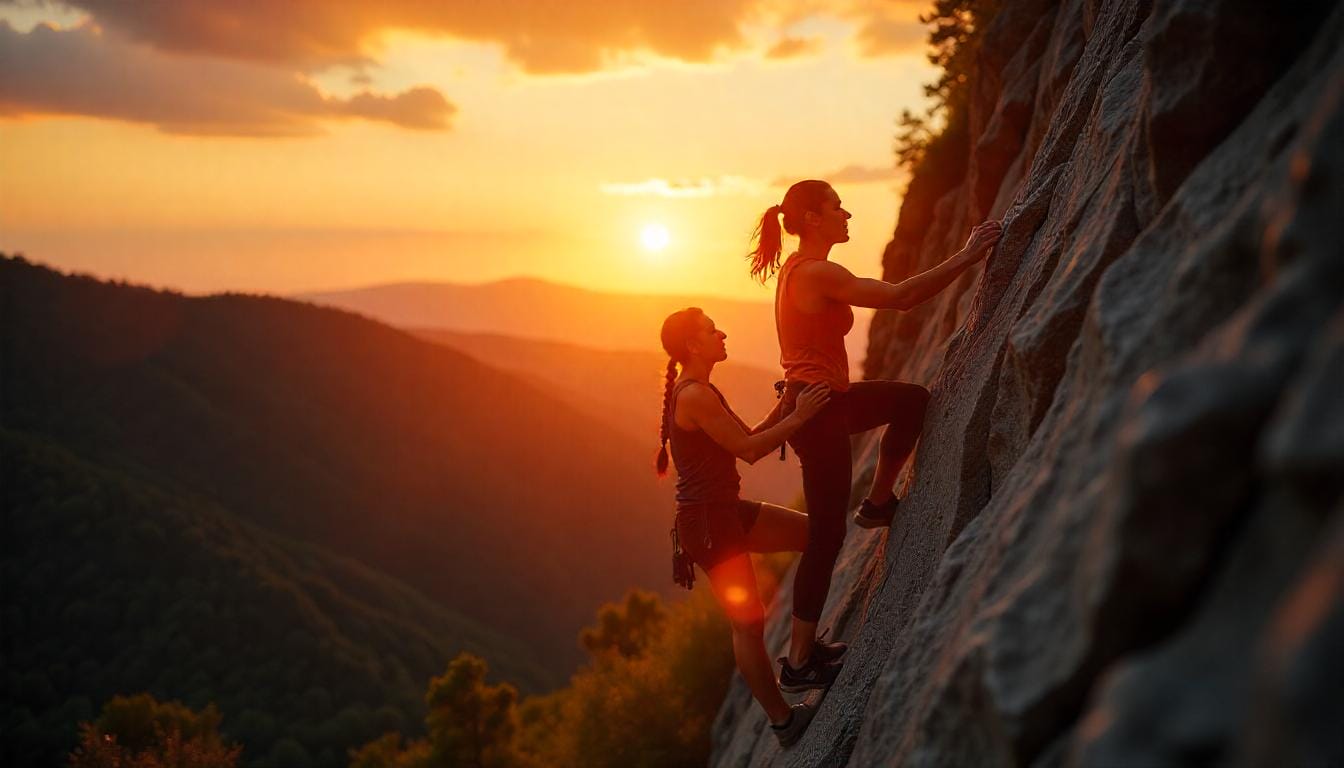
Bouldering is a type of climbing that focuses on short but tricky climbs called problems. Climbers scale bouldering routes without ropes or harnesses. They use padded mats on the ground to land safely if they fall. Many individuals find bouldering enjoyable and fulfilling. It provides both physical and mental challenges. Continue reading this article to discover more information about the sport of bouldering!
Key Takeaway
- Bouldering is climbing short routes without ropes using crash pads for safety.
- It is a fun activity for beginners and experienced climbers alike.
- Bouldering helps improve strength, balance, and problem-solving skills.
What is Bouldering
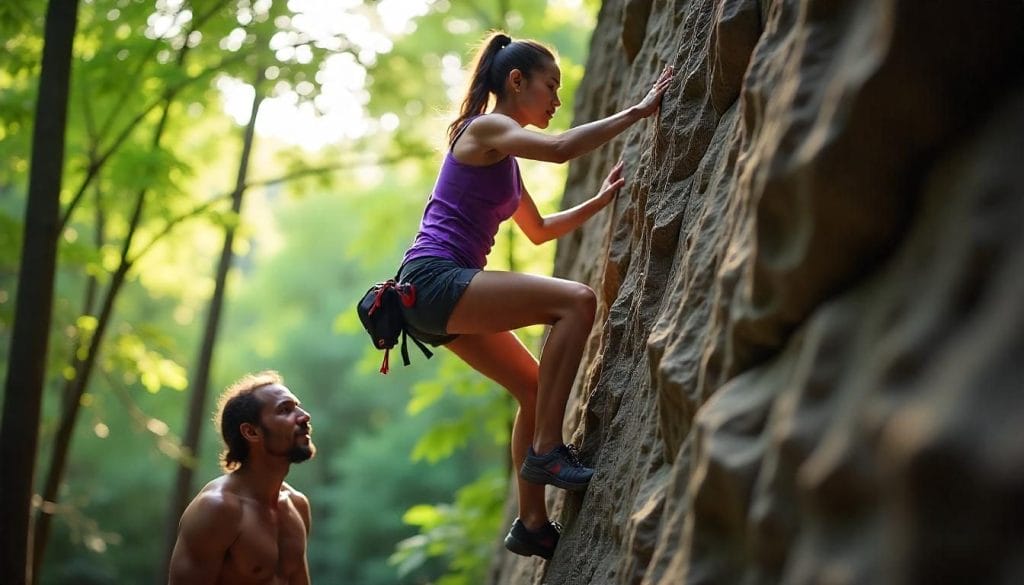
Bouldering is a type of rock climbing that does not need ropes or harnesses. It focuses on climbing short walls called “problems” that are not very high, usually less than 20 feet tall. To make it safer, climbers use thick mats called crash pads on the ground to catch them if they fall. Since the climbing is not very high, the falls are not too bad.
Many people like bouldering because it is easy to start. To get going, climbers just need a few basic things – climbing shoes and chalk. The shoes help them grip the rock better. The chalk keeps their hands dry so they can hold on tighter.
Bouldering is fun for people of all ages and skill levels. It lets people challenge themselves physically and work on climbing techniques. With the short climbs, climbers can improve their skills quickly. This makes bouldering great for beginners as well as experienced climbers. It is an enjoyable way to stay active (1).
Bouldering vs Climbing
Bouldering and other types of climbing are different in some key ways. The main differences have to do with height and equipment.
Bouldering focuses on short climbs, usually less than 20 feet high. Other styles like sport climbing or traditional climbing involve climbing much higher, using ropes and harnesses for safety.
With bouldering, climbers use their strength and skills to figure out short routes called “problems.” They have to think carefully about how to move and which techniques will work best. It’s not just about getting to the top – it’s about finding the best way to do it. Climbers might use moves like toe hooks or heel hooks to help them climb more efficiently.
Bouldering also focuses more on technique than endurance. Climbers will often try the same problems over and over to improve. Other types of climbing require longer climbs and more stamina. The emphasis on technique and problem-solving makes bouldering unique and fun (2).
Introduction to Bouldering
Bouldering has gotten very popular in recent years. Lots of climbers love this sport because it’s not just about the climbing. It’s also about being social! Most bouldering happens with groups, either at indoor climbing gyms or outdoor areas. Climbers cheer each other on and share tips for solving the problems. This friendly vibe makes bouldering fun for everyone.
Indoor climbing gyms have really helped bouldering grow. They offer a safe, controlled place for climbers to practice their skills. Many gyms have walls made just for bouldering. They set up different problems at various levels so climbers can find challenges that match their abilities. This makes it easier for beginners to start bouldering.
As more people learn about bouldering, the community keeps getting bigger. Climbers often support one another and celebrate when someone succeeds. This sense of teamwork is one of the best parts of bouldering. It brings people together through a shared love of the sport.
History of Bouldering
Bouldering has a long history that stretches way back. It started off as a way for climbers to practice on smaller rocks before trying bigger climbs. In the 1950s, a famous climber named John Gill helped shape modern bouldering. He came up with lots of new climbing problems and organized some of the first competitions.
Over time, bouldering kept gaining popularity. Nowadays, climbers all over the world enjoy this thrilling sport. There are so many great places to boulder, from local parks to famous climbing spots.
Bouldering has also become a competitive event. There are indoor and outdoor competitions where climbers can show off their talents. These contests help get new climbers excited to join the bouldering community. Bouldering has truly become a worldwide activity that continues to expand.
Types of Bouldering
There are a couple different ways people can go bouldering. Some climbers like indoor bouldering at gyms, while others prefer the challenge of outdoor bouldering on real rocks. Each type has its own fun experiences and benefits.
Indoor bouldering is great for beginners. Climbing gyms give people a safe place to practice. The walls have different climbing problems set up to help build skills. There are usually nice staff members there too who can give tips and encouragement.
Outdoor bouldering takes place in parks or climbing areas with natural rock formations. This type of climbing can be more adventurous and thrilling since it connects climbers with nature. However, outdoor bouldering takes more planning. Climbers need to check the weather and bring crash pads to stay safe.
Both indoor and outdoor bouldering offer different challenges. Some climbers like the convenience of gym climbing, while others love the excitement of being outside. No matter how climbers choose to boulder, they can find enjoyment and satisfaction from this fantastic sport.
Indoor vs Outdoor Bouldering
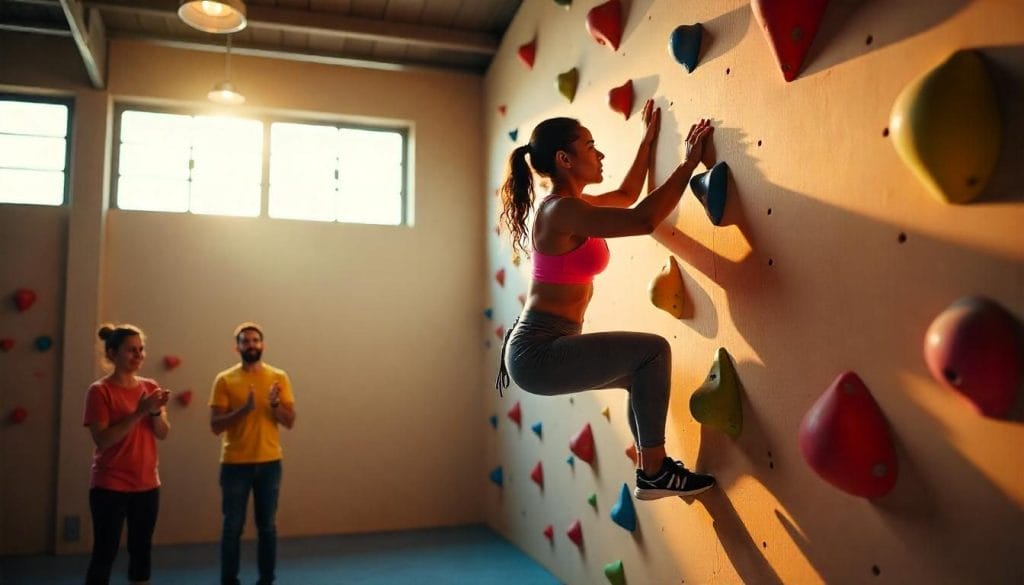
Indoor and outdoor bouldering each have their own great benefits. Indoor bouldering is often a good place for beginners to start. Climbing gyms create a safe space to practice skills without worrying about the weather outside. The walls have colorful holds and are set up to help climbers learn and get better.
Plus, indoor gyms have lots of different bouldering problems to try. This variety makes it fun and lets climbers challenge themselves bit by bit. Many gyms also offer classes for new climbers to easily pick up the basics.
On the other hand, outdoor bouldering gives people a thrilling, adventurous experience! Climbers can enjoy beautiful nature and tackle real rock formations. Awesome spots like Hueco Tanks or state parks provide natural places to climb outside. This type of bouldering feels more exciting, but does require more planning ahead. Climbers have to check conditions and bring the right gear.
Both indoor and outdoor bouldering are great options. Indoor is convenient while outdoor connects climbers with nature. Each one offers a fun way to experience the joy of climbing!
Basics of Bouldering
Credits : Hannah Morris Bouldering
Getting started with bouldering is simple and fun! Beginners just need a few key things to begin their climbing adventure.
The first item is climbing shoes. These special shoes are designed to grip the rock better. This helps climbers feel more secure as they climb.
Next is a chalk bag. The chalk helps keep hands dry, which is really important for getting a good grip on the holds. Climbers will notice having dry hands makes a big difference!
Crash pads are also essential for safety. These thick mats cushion any falls, so climbers can feel reassured as they try tough problems. Using crash pads makes bouldering much safer.
Many climbing gyms offer beginner classes that teach the basics of bouldering. These classes are a great way to learn proper techniques and safety tips. With the right gear and some guidance, anyone can start bouldering and enjoy this thrilling sport!
Bouldering Safety
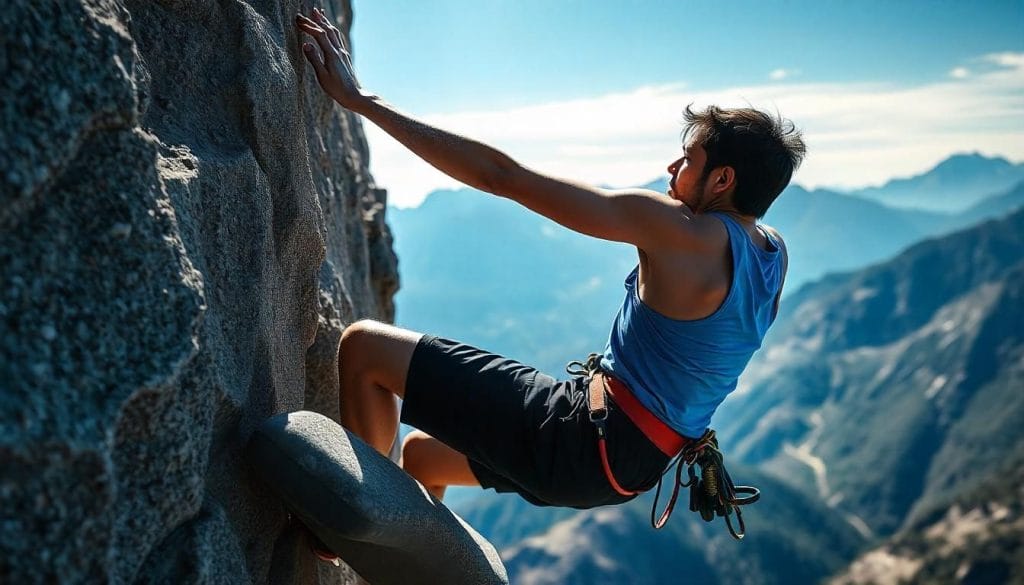
Safety is super important in bouldering. Even though climbers aren’t very high off the ground, falls can still happen. To lower the chance of getting hurt, climbers should always take some safety steps.
One big safety tip is to use crash pads whenever climbing outside. These pads protect climbers from falls, so it’s really important to have them set up. Climbers should also pick bouldering problems that match their abilities. Trying a problem that’s too hard can lead to accidents.
Climbing with friends is another great safety measure. When climbers partner up, they can spot each other and help prevent injuries. Spotters can guide a falling climber to land safely on the crash pads.
It’s also smart to check out the climbing area. Climbers should look for uneven ground or loose rocks that could be dangerous. Being aware and informed makes bouldering much safer and more fun! Taking a few simple precautions can help climbers stay safe while enjoying this awesome sport.
Why Try Bouldering
Bouldering is an exciting sport with lots of great benefits. It’s a fantastic way to stay active and improve fitness. Climbing works the arms, legs, and core muscles as people make their way up the wall. It really helps build strength all over.
This sport is also great for developing problem-solving skills. Each bouldering route requires climbers to carefully think through their moves. They have to look at the holds and plan out how to reach the top. This mental challenge makes bouldering extra enjoyable.
Many people also find bouldering to be social. The climbers often work together, sharing tips and cheering each other on. This friendly vibe makes it easy to meet new pals and make connections.
For beginners, bouldering can really build confidence too. As they get better and complete more problems, they gain an awesome sense of achievement. Overall, bouldering offers a fun mix of exercise, mental puzzles, and making friends. There’s lots of great reasons to give it a try! (3)
Bouldering for All Ages
Bouldering is a sport that people of all ages can have fun with! It’s great for families and kids to do together. Many climbing gyms have special programs just for kids to learn bouldering in a safe, playful way.
Parents can join their children climbing, making wonderful memories together. It encourages teamwork and communication as climbers help each other reach their goals. This shared experience can really bring families closer.
Bouldering is also adjustable for different abilities. Beginners can start with easier climbs, while experienced climbers take harder routes. There’s always something new to try and learn.
Lots of climbing communities are encouraging and friendly too. Climbers often cheer each other on and celebrate when someone succeeds. This positive vibe makes bouldering welcoming for people of all ages and backgrounds. It’s a sport that promotes growth, confidence, and connections.
FAQ
What’s the difference between bouldering and other forms of climbing like top rope climbing and lead climbing?
Unlike roped climbing where climbers use belay devices and climb up to 55ft high, bouldering involves climbing smaller rocks or bouldering walls without ropes. You’ll typically climb up to 15 feet high with crash pads below for safety. Trad climbing and free solo climbing require different gear and techniques compared to bouldering’s minimalist approach.
How do climbing grades and rating systems work for bouldering?
The font scale (Fontainebleau system) and V-scale created by John Sherman are the main grading systems for bouldering. These rating systems help climbers understand a boulder problem’s difficulty. The United States commonly uses the V-scale, while European climbers often use the Fontainebleau scale. Grade conversions between systems help climbers understand difficulty levels worldwide.
What equipment do I need to start bouldering?
Essential bouldering equipment includes climbing shoes, chalk bags for better grip strength, and bouldering mats (crash pads) for safety. Unlike other climbing disciplines that require extensive climbing gear, bouldering needs minimal equipment, making it an accessible form of climbing for beginner boulderers.
Where can I go bouldering?
You can start climbing at local bouldering gyms where route setters create boulder problems on climbing walls with starting holds and smaller holds. For outdoor climbing, you’ll find bouldering areas in state parks and outdoor rock locations across North America. Mountain Project helps fellow climbers discover local bouldering spots and climbing routes.
How can I improve my bouldering techniques?
Focus on body positioning and dynamic movements while problem solving each sequence of moves. Building finger strength and upper body strength through bouldering training helps tackle harder boulder problems. Many professional rock climbers like Daniel Woods and Nalle Hukkataival demonstrate advanced bouldering techniques in their ascents of challenging problems like Burden of Dreams.
What should I know about bouldering outdoors versus climbing gyms?
Outdoor climbing requires more strength endurance and experience with natural rock formations compared to bouldering gyms. The Alpine Club and American Alpine Journal document various climbing experiences in different bouldering areas.
What’s special about highball bouldering?
Highball bouldering involves climbing tall boulder problems that blur the line between free climbing and free soloing. These problems require extra focus on safety due to the risk of ground fall.
How has bouldering history shaped modern climbing?
The history of bouldering began in places like Fontainebleau, France, evolving into one of the most popular climbing disciplines worldwide. The complete guide to this climbing discipline includes rich bouldering lingo and terms developed over decades.
What makes bouldering a unique form of exercise?
Bouldering provides a full body workout that builds both physical strength and mental problem-solving skills. It’s different from other forms of climbing because it focuses on powerful, shorter sequences.
What’s the bouldering scene like at climbing gyms?
Bouldering gyms offer a supportive environment where fellow climbers share bouldering tips and improve your climbing together. The community aspect makes it one of the best climbing experiences for beginners.
Conclusion
Bouldering is a fun sport for everyone. It mixes exercise and puzzle solving. You climb short routes without ropes or harnesses. All you need are climbing shoes, chalk, and a mat. Bouldering can be done indoors at gyms or outside on rocks. It builds strength and flexibility. The community is welcoming to new climbers. Give bouldering a try for an exciting challenge!
References
- https://www.menshealth.com/uk/adventure/a61436815/what-is-bouldering/
- https://www.redbull.com/int-en/bouldering-vs-climbing-comparison
- https://www.climbing.com/skills/training/how-train-bouldering/