Bouldering is an exciting way for people to climb up rocks or walls without using ropes or harnesses. Climbers use their physical strength and climbing skills to ascend bouldering routes. It provides a fun way to challenge oneself while getting a great workout. Bouldering can be done indoors at climbing gyms or outdoors on natural rock formations. Those who want to learn more about this adventurous sport can continue reading. The next sections will cover the different types of bouldering walls and features that make this activity enjoyable for climbers of all abilities. Discovering more about bouldering routes, gear, and the supportive community may inspire new climbers to give this ropeless climbing a try.
Key Takeaway
- Bouldering uses no ropes, only strength and technique.
- There are different types of bouldering walls for every skill level.
- Safety is important, so use crash pads and climb with friends.
Types of Bouldering Walls
Credits : Functional Fitness
Learning to climb rocks without ropes, also called “bouldering”, is a really fun activity that kids and adults can do! Indoor climbing gyms have different kinds of walls that help people learn bouldering at their own pace.
The gentle, sloping walls are named “slabs”. These are great for beginners who want to work on keeping their balance and moving their feet carefully. The handholds are small, so climbers need to pay close attention to where they put their hands and feet as they slowly move up the wall. Slab climbing is the perfect way to get more confident before trying steeper walls.
Then there are “vertical” walls that go straight up towards the ceiling. These take more strength and skill to climb since people have to pull themselves up while staying balanced at the same time. The handholds come in different shapes and sizes on vertical walls, so climbers need to figure out the best way to grab them and position their body. Vertical climbing helps people get stronger fingers and better climbing skills.
“Overhangs” are walls that lean outward away from the climber. They’re challenging because climbers have to work against gravity, pulling themselves up mostly with their arm strength. Leg work is important here too – pushing off the footholds helps lift the body upwards. Overhangs build muscle and endurance while providing an exciting test of physical ability. Safety is really important on overhangs, so crash pads and spotters who can catch falling climbers are a must!
The different climbing walls let people of all skill levels challenge themselves, gain confidence and have a blast bouldering! Starting on beginner slab walls builds a foundation for moving up to vertical climbs and overhangs over time..
Equipment and Safety
Rock climbing without ropes can be thrilling! But climbers need some special gear to stay safe and climb their best while “bouldering”.
Sticky rubber climbing shoes hug feet snugly. This helps climbers carefully place their feet on tiny holds. Shoes should fit tight but still feel comfy for hours of climbing. Trying on different brands and styles is key to find the perfect pair!
Crash pads are big soft mats put on the floor below climbers. If someone slips and falls, the pad cushions the landing so they don’t get badly hurt. Some pads are lightweight for carrying around, while others are extra thick for maximum safety. Spotters can also help by directing falling climbers towards the crash pad.
Chalk helps climbers’ hands stay dry and grip holds better. Sweaty hands can mean slippery hands! Chalk bags let climbers quickly “powder up” while climbing. Loose chalk can be poured into bags. Chalk balls are squeeze balls filled with chalk too. Using chalk sparingly is important so the holds don’t get too messy.
Having the right bouldering gear makes climbing more fun and safer. Shoes, crash pads and chalk help climbers push their limits with confidence! Starting with quality equipment builds a good foundation for the thrilling world of bouldering (1).
Highball Bouldering
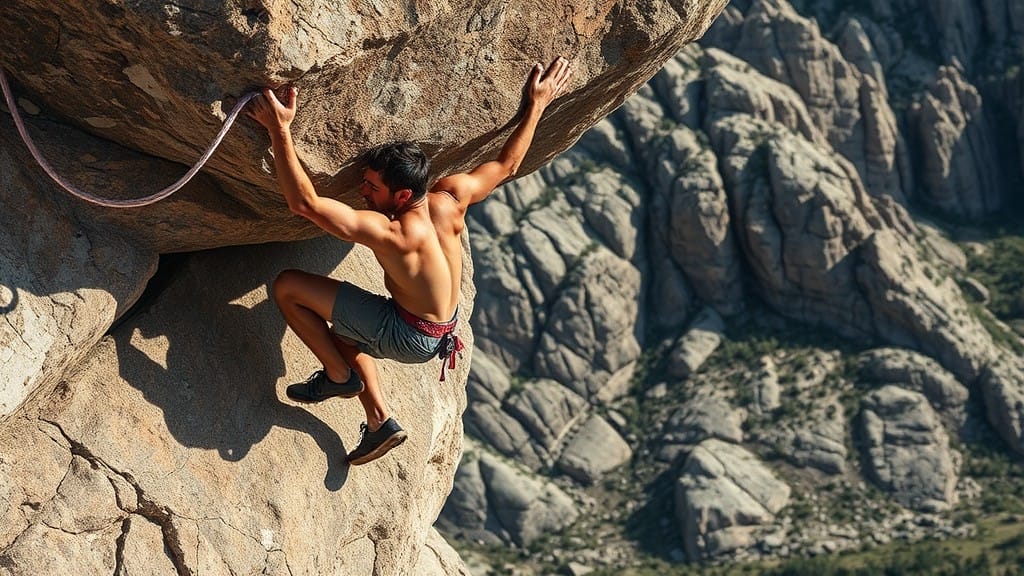
When bouldering walls get really tall – like over 15 feet high – it’s called “highball” bouldering. This type of climbing is extra thrilling but also riskier. Safety becomes even more important.
High up, falls can be dangerous, so smart climbers use crash pads and make sure spotters are there to help. Spotters can direct climbers if they start to fall so they land on the pad.
With highball problems, climbers need to plan out each handhold and foothold they’ll use to get up the wall. Thinking through the route step-by-step helps them stay focused and avoid mistakes.
The adrenaline rush of going so high up can be super exciting! But climbers have to be honest with themselves about their skills and experience. Highball climbing is best left to experienced boulderers who are ready for the challenge.
Taking smart precautions allows thrill-seeking climbers to push their limits on tall bouldering walls safely. Starting with lower problems builds the skills needed to climb highballs down the road (2).
Bouldering Problems
Indoor climbing gyms design unique “problems” along their bouldering walls to challenge climbers. Each problem follows a specific route with certain handholds and footholds climbers must use to get to the top. That’s why they’re called problems – it takes skill to figure out how to solve them!
The holds come in all sorts of shapes and sizes on a problem. Climbers have to think carefully about how to grab and step on them to work their way up. Each problem has its own fun puzzle to unlock.
To show how tough a bouldering problem is, gyms grade them from easy to hard. That helps climbers find the right level to match their abilities. Beginners can start with easier problems and work up as their skills improve.
Part of the enjoyment is using your brain as much as your body to solve the problems! Climbers love the feeling of figuring out the route and making it to the top. Bouldering challenges both physical strength and mental strategy in a really rewarding way.
Indoor vs. Outdoor Bouldering
Bouldering indoors at the gym or outdoors on real rocks – each offers its own experience!
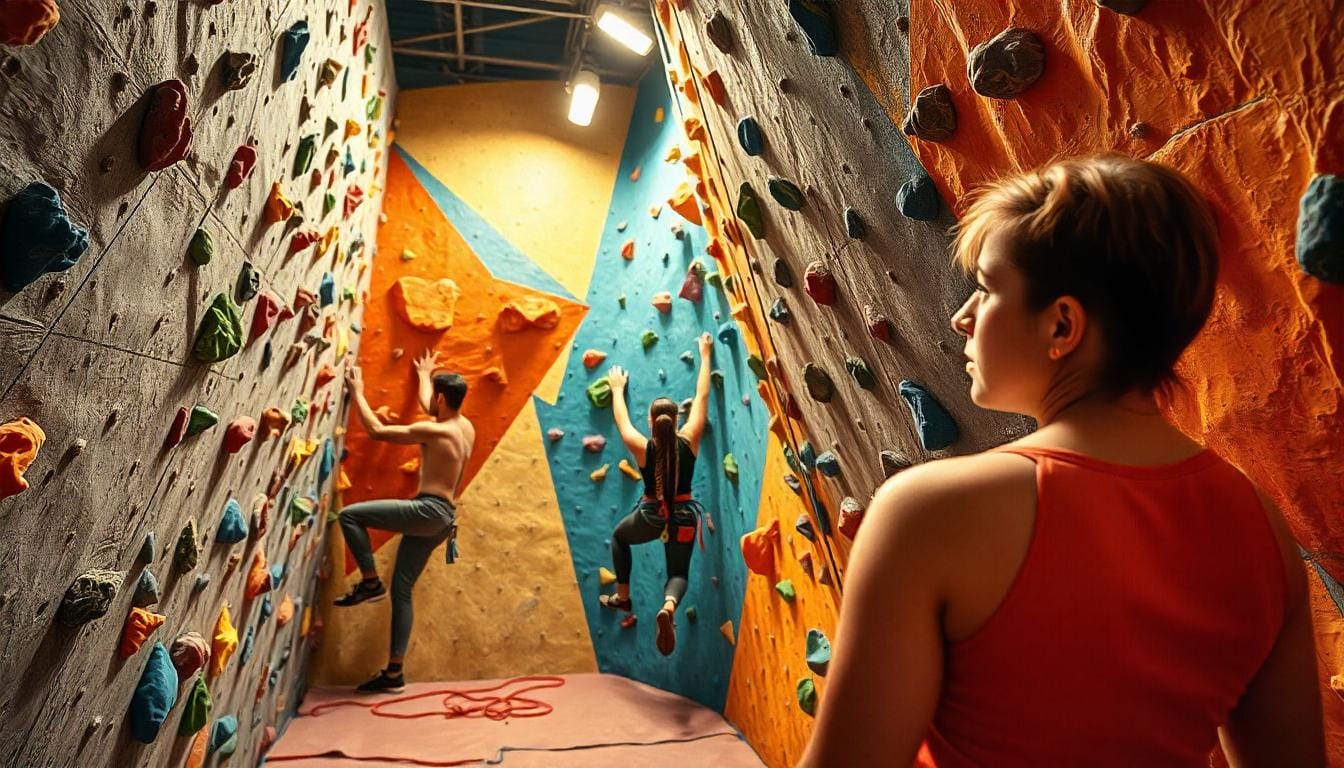
Inside, gym walls are designed just for climbing with labeled handholds showing difficulty. This controlled environment is great for beginners to learn safely. Lessons, workshops and a social atmosphere help new climbers gain confidence. No matter the weather, indoor bouldering is always available for practice.
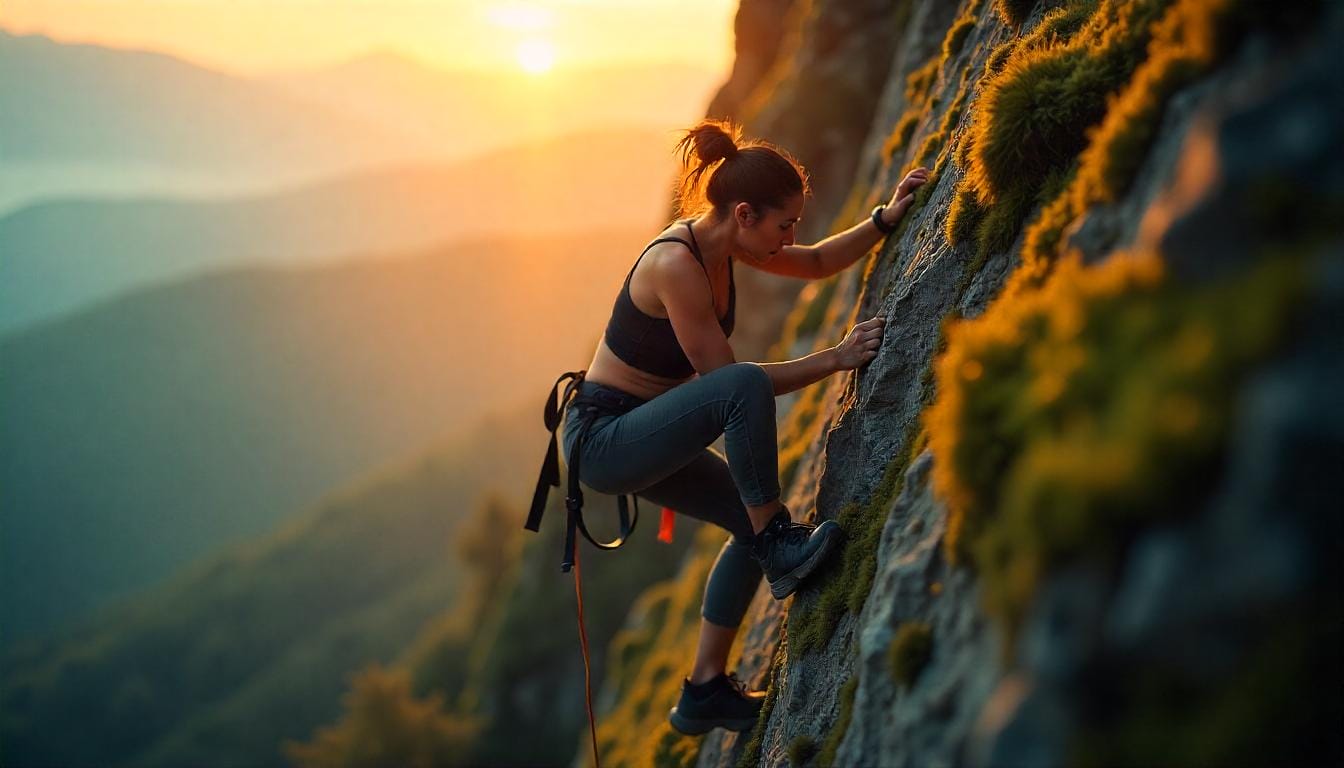
Outside, nature provides the bouldering walls! Climbers get to challenge themselves on uneven rock surfaces while enjoying beautiful scenery. Being prepared for changing weather and inspecting areas for hazards is important for safety. The adventure of solving problems on natural boulders can be very rewarding.
Indoor gyms build a strong foundation with their convenience and support. Venturing outside then allows climbers to test their skills in an exhilarating, real-world setting. Starting inside can give beginners the confidence to embrace the wonders of outdoor bouldering down the road!
Bouldering Grades

Bouldering problems come with grades so climbers can find the right challenge level. Two main grading systems exist – the V Scale and Font Scale.
In North America, problems use the V Scale. V0s are beginner-friendly. V10s are extremely hard, even for skilled climbers! The numbers in between show the difficulty ramping up.
In Europe, problems often use the Font Scale. This goes from easy grades like 5a to super tough ones like 7c. The letter and number combos indicate how hard a climb will be.
These grading systems are guides. One climber may find a V5 very doable, while another struggles with it. But they give a starting point to help climbers pick problems that will test and improve their skills.
Checking the grades helps climbers set goals and track their progress as they take on tougher problems. Pushing to “send” a new grade is exciting! Grades let climbers find problems at just the right difficulty to keep bouldering fun and challenging.
Social Aspect of Bouldering

One of the best parts of bouldering is the community! Climbers love working together and making new friends.
At indoor gyms, groups of boulderers gather to take turns tackling problems. They cheer each other on and share tips for conquering tricky holds. High fives get passed around when someone reaches the top! This supportive environment helps climbers feel encouraged while having fun with others who love climbing too.
Outdoor bouldering also brings people together. Groups help set up crash pads, make sure spotters are in place, and give advice on tough boulder problems. Everyone pitches in so each climber can have an awesome experience. The teamwork creates a really fun and welcoming atmosphere.
The social side of bouldering enhances the sport. Lifelong friendships are often formed while climbing. The sense of community and belonging keeps boulderers coming back for more. Working together and celebrating achievements makes for an amazing experience each session!
Bouldering Techniques
When bouldering, using the right moves and body positions is key to climbing smoothly. Since bouldering problems are short, good technique is more important than endurance. Mastering a few essential skills helps climbers succeed.
Careful foot placement creates a solid foundation. Feet support most of the body’s weight on the wall. Practicing precise footwork improves balance and reduces strain on the arms.
Handholds come in many shapes like crimps, slopers and pinches. Each one requires a special grip and approach. With experience, climbers learn how to grab and use different holds efficiently.
Proper leg work, like pushing off footholds, also helps drive the body upwards. And keeping the core tight stabilizes the body so climbers can reach up without swinging out.
Putting these techniques together allows a smooth, energy-efficient climb. New climbers can focus on footwork and work up to using hands and body optimally. Honing these bouldering skills takes practice but leads to a really fun, fluid climbing style! (3)
FAQ
What’s the difference between bouldering and other forms of climbing like top rope climbing, sport climbing, and trad climbing?
Bouldering is a form of climbing performed on small rock formations or artificial climbing walls without ropes. Unlike top rope climbing or lead climbing where climbers use ropes and go higher, bouldering stays close to the ground. Sport climbing and traditional climbing involve longer routes with ropes and fixed anchors, while bouldering focuses on short but challenging problems that rarely exceed 20 feet.
How did bouldering start and who are some famous climbers who shaped its history?
John Gill pioneered modern bouldering in the 1950s, turning it into a separate discipline. Today, climbers like Daniel Woods and Nalle Hukkataival push the limits with legendary ascents. Nalle’s first ascent of Burden of Dreams represents one of the hardest boulder problems ever climbed. The sport has evolved from a training tool for bigger climbs into a climbing discipline of its own.
What equipment do I need to start bouldering at a climbing gym or bouldering gym?
To start bouldering, you’ll need bouldering shoes, chalk bags for grip, and access to bouldering mats for safety. Unlike ice climbing or aid climbing, bouldering requires minimal equipment. Climbing gyms provide climbing holds and bouldering walls, making year round climbing possible. Some climbers also use finger tape to prevent injuries.
What makes outdoor rock climbing and bouldering in national parks different from gym bouldering?
Outdoor rock and boulder problems in United States national parks offer natural climbing routes on real rock walls. Climbers face various types of rock climbing challenges and boulder problems that test their climbing skills and problem solving abilities. Unlike the controlled environment of a climbing wall, outdoor climbing areas require more route finding and understanding of rock formations.
What safety measures should climbers take to prevent serious injury while bouldering?
Whether bouldering outdoors or at a bouldering area indoors, always use bouldering mats properly. Start climbing at an appropriate level, and pay attention to starting holds and dynamic movements. Deep water soloing (climbing over water) requires additional safety considerations. Having spotters and knowing proper falling techniques helps prevent injuries.
How can beginners improve their climbing through bouldering?
Beginner bouldering helps develop fundamental climbing skills through problem solving on boulder problems. The sport climbing routes in bouldering provide excellent training for all types of rock climbing. Focus on proper form and bouldering tips from experienced climbers to improve your climbing efficiently.
What are mixed climbing and dry tooling, and how do they relate to bouldering?
Mixed climbing and dry tooling combine rock and ice climbing techniques, usually using ice climbing tools on rock. While these are separate disciplines from bouldering, they share some movement principles. Alpine climbing often incorporates elements of both mixed climbing and bouldering skills.
How do climbers use crack climbing and traditional climbing skills in bouldering?
Trad climbers often use bouldering to practice crack climbing techniques at a safer height. Some boulder problems feature crack systems that require similar skills used in traditional climbing. The small rock formations used in bouldering can provide perfect training grounds for developing these specialized climbing techniques.
Conclusion
Bouldering is an exhilarating form of climbing done without ropes. Indoor and outdoor walls of varying difficulty provide endless challenges. Safety gear like crash pads and spotters help create a supportive community. With different types of holds and routes to ascend, bouldering offers something for climbers of all skill levels. The freedom and creativity of climbing without ropes makes bouldering an adventurous activity that anyone can enjoy.
References
- https://www.menshealth.com/uk/adventure/a61436815/what-is-bouldering
- https://www.nationalgeographic.com/adventure/article/boulderer-daniel-woods-trades-comfort-for-fear-in-new-reel-rock-film
- https://www.ukclimbing.com/articles/skills/top_10_tips_for_making_the_move_from_indoor_to_outdoor_bouldering-15170