Stay safe while bouldering outdoors! Learn essential outdoor safety practices for bouldering to minimize risks and maximize fun.
Bouldering outside, scrambling up rocks, it feels different than the gym. The rock’s rougher, the landings less predictable. Outdoor safety practices for bouldering are crucial; a twisted ankle miles from the car is no joke.
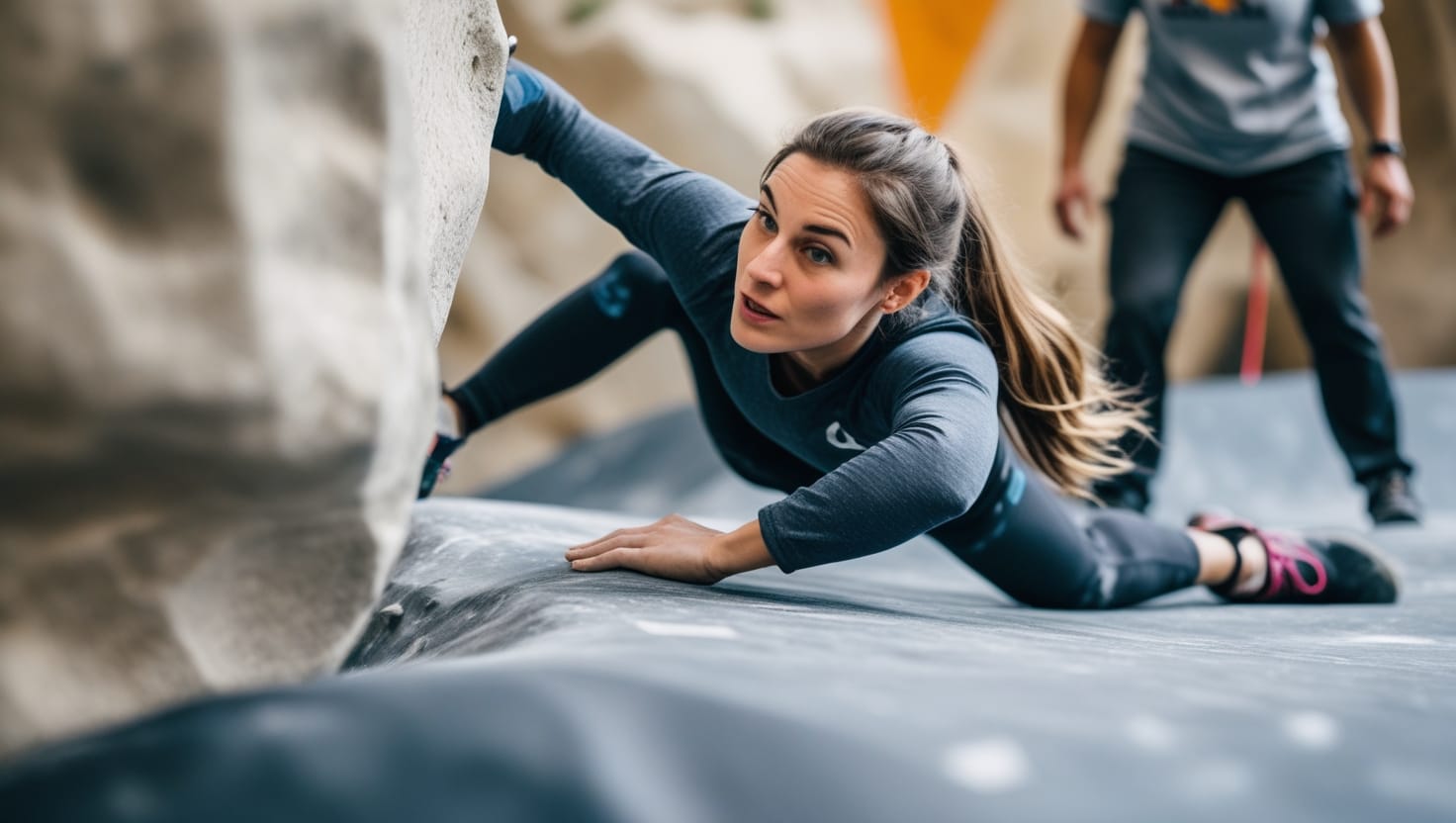
Crash pad placement matters, you know? Put them where you’re most likely to fall, not just where it’s easy. A spotter is your friend – they guide you down, preventing awkward landings (a good spotter watches the climber’s hips).
Weather can turn fast, mountain weather especially. Rain makes holds slick; lightning, well, that’s a serious risk. It’s about assessing risks before you even chalk up. Observe the rock, talk to fellow climbers, and keep the stoke high; but be smart about it. Study those safety practices.
Key Takeaway
- Always assess the landing area and ensure crash pads are in place.
- Use proper spotting techniques to help the climber during falls.
- Stay aware of weather conditions and environmental hazards.
Essential Gear for Outdoor Bouldering
Seeing a climber without a crash pad outdoors almost makes you wince. It’s like riding a bike without a helmet. Outdoor bouldering demands respect, and that starts with the right gear.
Crash pads, those big, rectangular cushions, they are the first line of defense. Placement is key, think of it like this:
- Cover the fall zone: Don’t leave gaps.
- Overlap pads: No exposed ground between pads.
- Consider the problem: Where are you most likely to fall?
Good climbing shoes matter. Gym shoes aren’t gonna cut it on rough granite. The edges need to be stiff, the rubber sticky. Chalk, yeah, it helps you grip (magnesium carbonate, if you want to get technical), but don’t overdo it. Caked-on chalk just makes holds slick.
Helmets? They are debatable, some say they aren’t necessary, while others swear by them. If there’s loose rock above, or you’re new to the area, it’s probably a good idea. A brush, stiff-bristled, is a climber’s housekeeping tool. Cleaning holds keeps them grippy, not just for you but for the next climber too. Leaving a clean climb, that’s part of the ethic.
Falling Techniques
Credits: Howcast
Watching someone bail off a boulder problem can be a little nerve-wracking, especially when they flail. Knowing how to fall, it’s almost as important as knowing how to climb. Controlled landings, it’s the name of the game. You’re aiming to land feet first, knees bent, like you’re trying to sit down softly.
- Feet first: Obvious, maybe, but worth saying.
- Bent knees: Shock absorbers, plain and simple.
- Avoid locking your knees: That’s just asking for trouble. [1]
Rolling with the fall, like a stuntman (or a cat), it can help dissipate the energy. Think of it as spreading the impact. Don’t try to catch yourself with your hands; wrists and shoulders don’t like that. Bones can break.
Downclimbing, that’s the smart move when possible. A few controlled steps down before you jump, it makes a difference. Every foot you downclimb, that’s one less foot you have to fall. So, practice falling, yeah, practice. Find a safe spot, and work on those landings. It might feel silly, but it could save you a trip to the emergency room. And always, always, be aware of your surroundings.
Crash Pad Placement and Spotting
Crash pads scattered haphazardly, a spotter staring at their phone – it’s a recipe for disaster, I think. Proper crash pad placement and effective spotting, they’re two sides of the same coin, really. It’s about teamwork and anticipating the unexpected.
Pads need to be under the climbing route, of course, but they also need to extend beyond the potential fall zone. Think about where you might go, not just where you think you’ll fall.
- No gaps: Overlap those pads, even if it looks a little messy.
- More is better: Two pads are good; three or four might be better.
- Consider the terrain: Uneven ground? Adjust accordingly.
A spotter isn’t a cushion; they’re a guide. They don’t catch you; they steer you. They stay close, but not directly underneath. They’re watching your hips, ready to redirect you toward the pads. Communication is key, “I’m going for the dyno!” or “Watch me, I’m tired!”
A good climber-to-spotter ratio, it just makes sense. More eyes, more hands, more protection. Spotting techniques, they’re not rocket science, but they require focus and attention. With solid pad placement and attentive spotting, climbers can push their limits, a little more confident in their safety net.
Pre-Climb Safety Checks
There’s an excitement to pulling up to a boulder, the anticipation of the climb, the puzzle it presents. But skipping safety checks? That’s just foolishness.
Before grabbing that first hold, take a breath and look around. Inspect the boulder itself. Are the holds solid, or do they wobble? Loose rock, it’s a common hazard, especially in less-traveled areas.
- Check holds: Give them a tug, see if they move.
- Clean holds: Brush off dirt and chalk buildup.
- Be aware of the rock type: Some rock crumbles easier than others.
Clear the landing area, get rid of those sneaky rocks and branches. Make sure the ground is relatively flat and stable. A twisted ankle ruins the day. Planning a downclimb route, it’s often overlooked, but it’s smart. How are you getting off this thing?
Weather, it’s the wild card. Wet rock is slick rock. Lightning? Get outta there. Know the forecast, and be prepared to bail if things turn south. Being aware of your environment, it’s not just about safety; it’s about respect for the place itself. With a few pre-climb checks, you’re setting yourself up for a safer, more enjoyable day on the rock.
Environmental Awareness
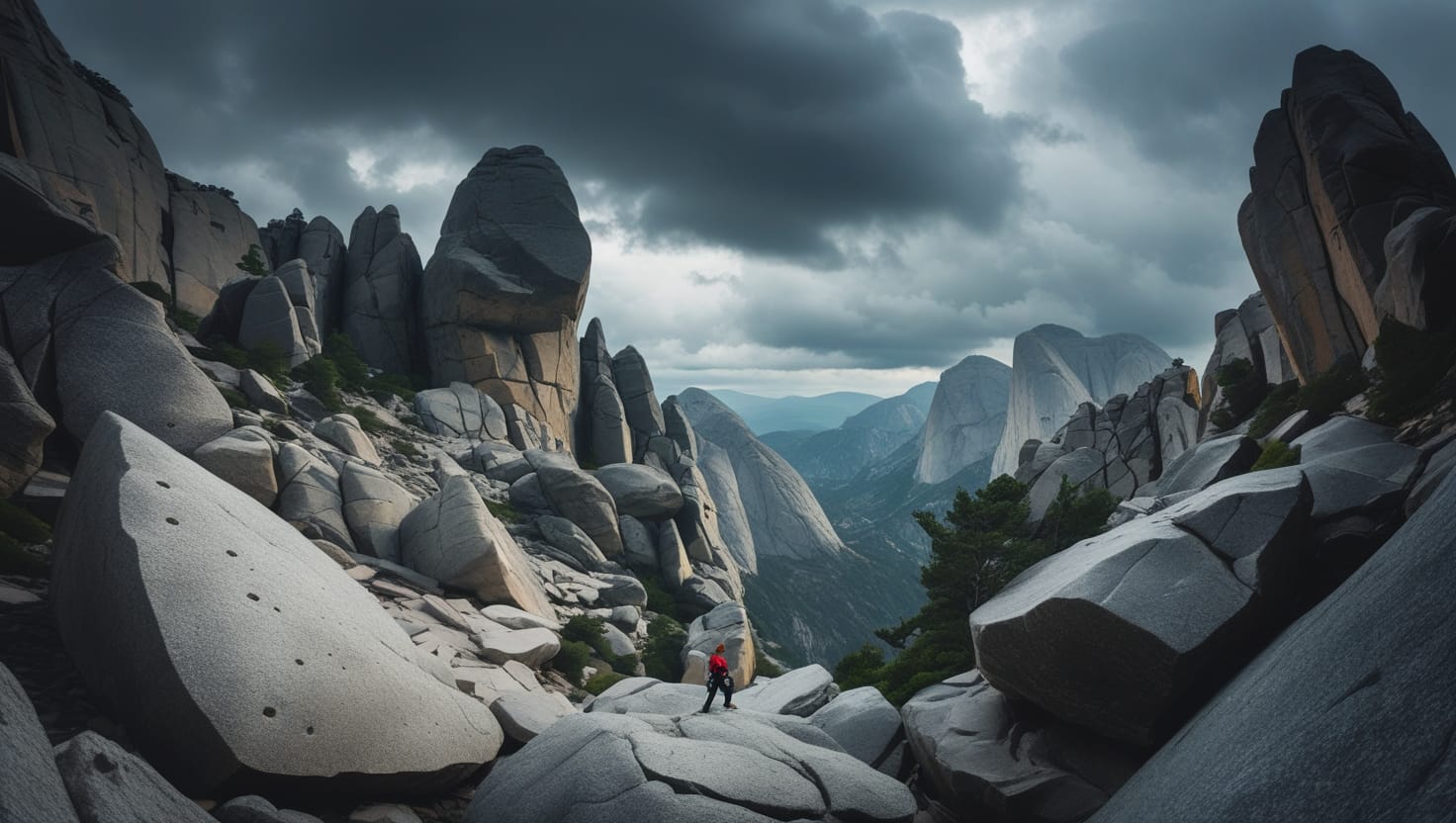
There’s a certain peace you find out on the rocks, a connection to something bigger than yourself. But that connection comes with a responsibility, to be mindful of the environment.
Before you even lace up your shoes, check the weather, pay attention. Climbing on wet rocks, it’s tempting, but it’s also risky. You’re not just risking a fall; you’re potentially damaging the rock itself. Dress for the conditions. Layers are your friend. Sturdy shoes for the hike in.
Respecting nature, it’s not just a slogan; it’s a way of life. Clean your shoes before climbing. You don’t want to be grinding dirt into the holds, damaging the rock’s surface. “Leave no trace,” it’s the golden rule. Pack out everything you pack in. No trash, no markings, nothing.
- Pack it in, pack it out: Simple enough.
- Stay on trails: Avoid trampling vegetation.
- Respect wildlife: Keep your distance. [2]
Wildlife, they were here first. Be aware of your surroundings. Snakes, birds, whatever. Give them space. By being environmentally aware, you’re not just protecting the area; you’re ensuring that future climbers can enjoy it too. Bouldering, it’s a privilege, not a right.
Climbing Alone vs. With Others

Climbing, it’s often a solitary pursuit, a battle against yourself and the rock. But there’s something to be said for having a partner, someone to share the stoke (and the risk).
Climbing with a partner is generally safer. Spotters, they are extra eyes and hands. They can guide you in a fall, help you assess a route, and call for help if things go sideways. Sharing the experience, well, that’s just more fun.
But sometimes, you want to be alone with the rock, the challenge. If you’re going solo, you need to be extra cautious.
- Stick to popular areas: Help is more likely to be nearby.
- Tell someone where you’re going: And when you expect to be back.
- Avoid high-risk routes: Play it safe, stick to what you know.
Multiple crash pads are a must for solo climbing, there’s no one to help you reposition them. And remember, your phone might not have service. So, think before you climb. Choosing to climb alone, it’s a personal decision, but it should be a well-informed one. Respect the mountain, respect the risk, and respect yourself.
Managing Risk and Fear
There’s a rush that comes with topping out a challenging problem, the feeling of accomplishment, the view from the top. But that rush can cloud judgment, and that’s when accidents happen.
Managing risk, it’s about knowing your limits, and respecting them. Pushing grades, it’s tempting, but it’s also a gamble. Don’t let ego get in the way of safety.
If a climb feels wrong, back off. Poor landing, sketchy top-out, whatever the reason, trust your gut. There’s no shame in saying, “Not today.” Taking breaks, it’s not a sign of weakness, it’s a sign of intelligence. Fatigue leads to mistakes, and mistakes lead to falls.
- Know your limits: Be honest with yourself.
- Trust your gut: If it feels wrong, it probably is.
- Take breaks: Rest and recover.
Situational awareness, it’s about paying attention. Look around, assess the risks, and be prepared for the unexpected. Managing risk, it’s not about eliminating danger, it’s about minimizing it. It’s about making smart choices, so you can keep coming back to climb another day. The mountain will still be there.
FAQ
How should I place crash pads for maximum protection, and what techniques work best for bouldering pad arrangement on uneven terrain?
When setting up crash pads, cover all potential landing zones, particularly focusing on the crux sections where falls are most likely. On uneven terrain, start by filling gaps and depressions first. Overlap pads by at least 6 inches to prevent dangerous gaps. For sloped areas, secure pads with rocks or sticks to prevent sliding.
Remember that multiple thinner pads often conform better to uneven ground than one thick pad. Always test your setup by jumping lightly onto the pads before climbing to ensure stability.
What are essential spotting techniques and proper spotting stance to protect fellow climbers?
Good spotters focus on guiding a falling climber’s center of mass safely to the pads, not trying to catch them completely. Stand with feet shoulder-width apart, knees slightly bent, and arms raised with palms facing upward.
Keep your eyes on the climber’s hips, not their hands or feet. As they fall, guide their center mass toward the middle of the crash pad. Move with the climber as they progress, always staying in the optimal position to assist with a controlled landing.
How can I assess fall zones and ensure proper bouldering fall zone clearance before attempting a problem?
Begin by examining the entire potential landing area, including areas beyond where you expect to fall. Remove sticks, rocks, and other hazards. Consider all possible fall trajectories—not just falling straight down.
Look up for hazards like tree branches that could cause injury. Pay special attention to the ground features beneath highball problems or traverses. Remember that dynamic movements might send you farther from the wall than expected. Always clear a larger area than you think necessary.
What are the most common outdoor bouldering hazards and how can I practice effective bouldering risk mitigation?
Common hazards include uneven landings, hidden rocks, loose holds, poor weather conditions, and wildlife encounters. Mitigate risks by thoroughly inspecting problems before climbing, setting up multiple pads correctly, using spotters, checking weather forecasts, and climbing within your ability level.
Never boulder alone on challenging problems. Test holds before committing weight to them. Develop an emergency plan including knowing nearest medical facilities. Start with easier problems to warm up and assess rock quality before attempting harder challenges.
Why is climber situational awareness important, and how does proper landing technique prevent injuries?
Situational awareness means constantly monitoring your surroundings, your body, and potential hazards. Stay alert to changing conditions, rock quality, and your energy levels. For landing technique, bend your knees deeply upon impact, roll backward if needed, and distribute force by landing on both feet simultaneously.
Never land on outstretched hands or locked joints. Keep your core engaged during falls. Practice falling at low heights first. By staying aware and landing properly, you significantly reduce ankle sprains, wrist fractures, and knee injuries—the most common bouldering accidents.
What essential items should be in my outdoor climbing gear checklist and bouldering first aid kit?
Your gear checklist should include: crash pads, climbing shoes, chalk bag, brush, weather-appropriate clothing, headlamp, navigation tools, and sufficient water. For your first aid kit, pack: athletic tape, bandages, antiseptic wipes, antibiotic ointment, pain relievers, blister treatment, tweezers, scissors, emergency contact information, and a compression bandage.
Consider adding climber-specific items like finger tape, skin repair balm, and anti-inflammatory medication. Keep your kit in a waterproof container and regularly check expiration dates. Always know how to use everything in your kit before heading out.
How do weather conditions for bouldering affect safety, and what environmental impact awareness should climbers practice?
Weather dramatically impacts safety—avoid climbing in rain or immediately after as wet rock significantly reduces friction and increases fall risks. Strong winds can affect balance, while extreme temperatures impact grip strength and judgment. Check forecasts before departing and watch for changing conditions.
Regarding environmental impact, stay on established trails, pack out all trash, brush off tick marks when finished, avoid damaging vegetation near problems, and respect wildlife. Never chip or alter natural rock features. Practice “leave no trace” principles by minimizing chalk use and being respectful of local ecology to preserve climbing areas for future generations.
Conclusion
Outdoor safety practices for bouldering, they’re not just suggestions, they’re essential. Good gear, knowing how to fall, paying attention to your surroundings – it all adds up. Respect nature, leave no trace, and climb within your limits.
Bouldering outdoors, it’s a privilege, but also a responsibility. By prioritizing safety, you’re ensuring that you can keep enjoying those climbing adventures. Remember, the thrill is in the climb, not the risk.
References
- https://touchstoneclimbing.com/la-boulders/safety/
- https://www.climbing.com/skills/boulder-safely/