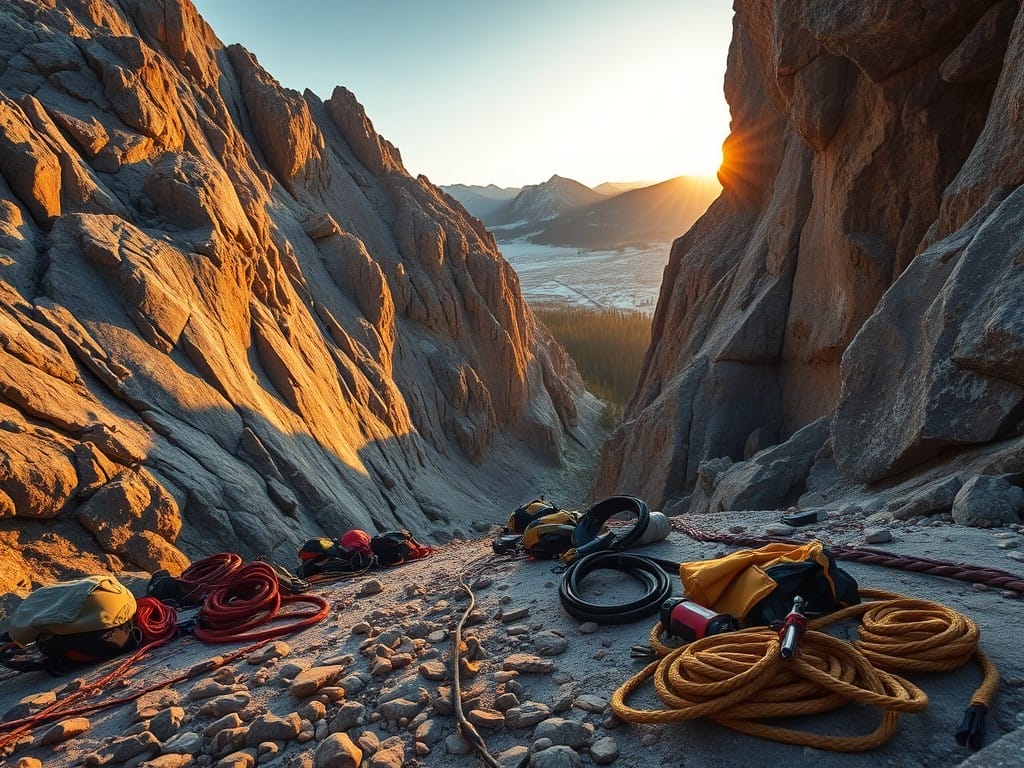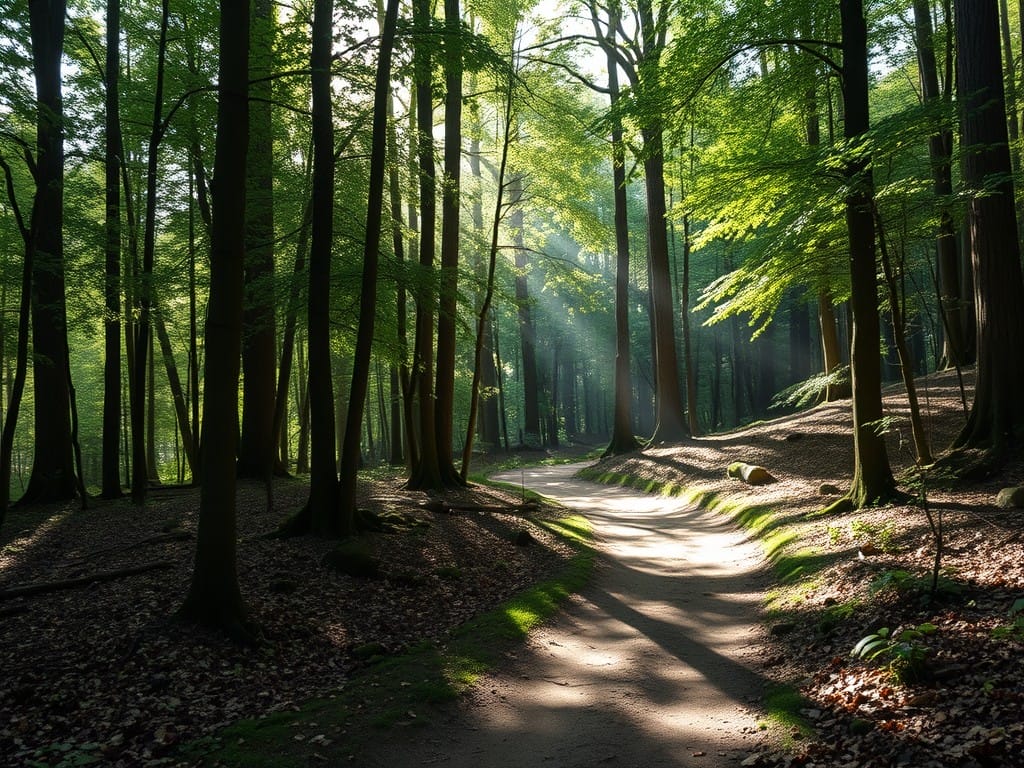
Discover essential outdoor etiquette tips to protect nature and enhance your outdoor experiences for everyone.
Understanding and practicing outdoor etiquette is vital for preserving nature and guaranteeing a good time for all who cherish the great outdoors. When adventurers head into the wild, they carry the responsibility of caring for it. Every small action counts like respecting wildlife, staying on marked trails, and minimizing impact on the environment. These practices not only protect nature but also enhance everyone’s experience.(1)
Key Takeaway
1. Respecting nature is crucial for its preservation.
2. Following trail etiquette helps keep everyone safe.
3. Being considerate creates a positive outdoor experience for all.
Respect Nature
Source : Appalachian Mountain Club
Respecting the outdoors ensures a better experience for everyone while protecting the environment and its inhabitants. Small actions go a long way in preserving nature’s beauty and balance.
- Leave No Trace: Always pack out what you bring in, including food wrappers, trash, and even biodegradable items like fruit peels. This simple practice keeps outdoor spaces pristine and protects wildlife from harmful materials.
- Mind Your Pets: Keep pets on a leash to safeguard wildlife, fellow hikers, and your furry friends. Unleashed pets can disturb animals and create risks during breeding seasons, so keeping them close is always the best choice.
- Observe Wildlife from a Distance: Wildlife encounters are exciting but should never disrupt the animals’ natural behaviors. Stay back, especially during nesting or breeding seasons, to ensure they can thrive undisturbed in their habitat.
Navigate Thoughtfully
Thoughtful navigation minimizes environmental impact and helps everyone enjoy outdoor spaces harmoniously.
- Stick to Marked Trails: Using designated paths prevents soil erosion, protects plants, and maintains wildlife habitats. Off-trail hiking may seem adventurous but can cause lasting damage to the environment.
- Follow Local Regulations: Check access rules and trail guidelines at each destination. Staying informed ensures safety and helps preserve these spaces for future visitors.
- Walk Single File on Narrow Trails: On tighter paths, forming a single line allows everyone to pass easily while reducing damage to surrounding vegetation. A small courtesy goes a long way!
Camp Considerately

Camping responsibly protects fragile ecosystems and ensures a safe, enjoyable experience for all.
- Use Designated Campsites: Set up camp only in approved areas to avoid damaging natural habitats. Avoid washing dishes or yourself directly in natural water sources to prevent contamination.
- Respect Fire Regulations: Follow fire rules carefully use camping stoves when possible and only light fires in designated areas. During dry seasons, adhere to fire bans to reduce the risk of wildfires.(2)
Maintain a Litter-Free Environment
Keeping outdoor spaces clean creates a welcoming experience for everyone and ensures long-term environmental health.
- Pack It In, Pack It Out: Take everything back with you, even trash left by others if possible. Carrying a small litter bag helps keep trails and campsites spotless.
- Dispose of Waste Properly: Use designated waste points or pack out human waste when facilities are unavailable. Avoid leaving wet wipes behind they don’t break down quickly and can clog waste systems.
Be Considerate of Others
Outdoor adventures are more enjoyable when everyone feels respected and welcomed.
- Keep Noise Levels Down: Enjoy nature’s sounds instead of loud music to maintain the tranquility many seek in the outdoors. A peaceful environment enhances the experience for all.
- Give Right of Way: Uphill hikers have the right of way since restarting on an incline can be challenging. This small act of kindness ensures smooth trail navigation for everyone.
- Be Friendly and Courteous: Greet fellow hikers, share trail space, and respect their experiences. A warm smile and a friendly attitude foster a positive and inclusive outdoor community.
By blending mindful actions and thoughtful practices, adventurers can respect nature, support others, and protect the great outdoors for future generations.
Conclusion
By following these guidelines, outdoor enthusiasts play a vital role in protecting nature while improving their experiences and those of others in shared spaces. Each small action contributes to a cleaner, safer, and more respectful environment.
Committing to being responsible adventurers means embracing the beauty of nature and appreciating the time spent outdoors with fellow explorers. Together, we can create positive memories and connections that last beyond a single trip.
Frequently Asked Question
What is “leave no trace”?
Leave no trace means you clean up after yourself and don’t disturb nature. Pack out all trash, stay on trails, and avoid picking plants or bothering wildlife. It’s about leaving the outdoors as you found it—or better—for others to enjoy.
How should I handle trash on the trail?
Carry all your trash out with you, even small items like wrappers or tissue. Bring a bag for waste, and if you see litter that isn’t yours, consider picking it up. Leaving trash behind harms the environment and ruins the experience for everyone.
Can I bring my dog on trails?
Check if dogs are allowed before heading out. If they are, keep them leashed and under control. Pick up after them and pack out their waste. Not everyone is comfortable around dogs, so respect other hikers’ space.
How do I handle encountering wildlife?
Stay calm, keep your distance, and never feed animals. Feeding wildlife can make them dependent on humans and disrupt their natural behavior. Use binoculars or a zoom lens for a closer look, and always give them room to move.
What should I do if the trail is crowded?
Be patient and polite. Yield to uphill hikers, and step aside to let faster groups pass. If you’re stopping for a break, move off the trail to avoid blocking others. Keeping noise levels low also helps everyone enjoy the experience.
Is it okay to play music on the trail?
It’s better to leave speakers at home. Many people hike to enjoy nature’s sounds, not music or podcasts. If you want to listen to something, use headphones at a low volume so you can still hear your surroundings.
How do I share the trail with bikers and horses?
Hikers should yield to horses, and bikers should yield to hikers. If you meet a horse, step aside and speak calmly so the animal knows you’re there. For bikers, stay alert and move to the side when they approach.
Can I go off-trail to explore?
It’s best to stay on marked trails. Going off-trail can damage fragile ecosystems and lead to erosion. If you need to step off, like for a restroom break, choose durable surfaces like rocks or dry grass to minimize your impact.
References
- https://activetraveladventures.com/outdoor-etiquette-and-leave-no-trace/
- https://huskypoint.fi/en/outdoor-etiquette/