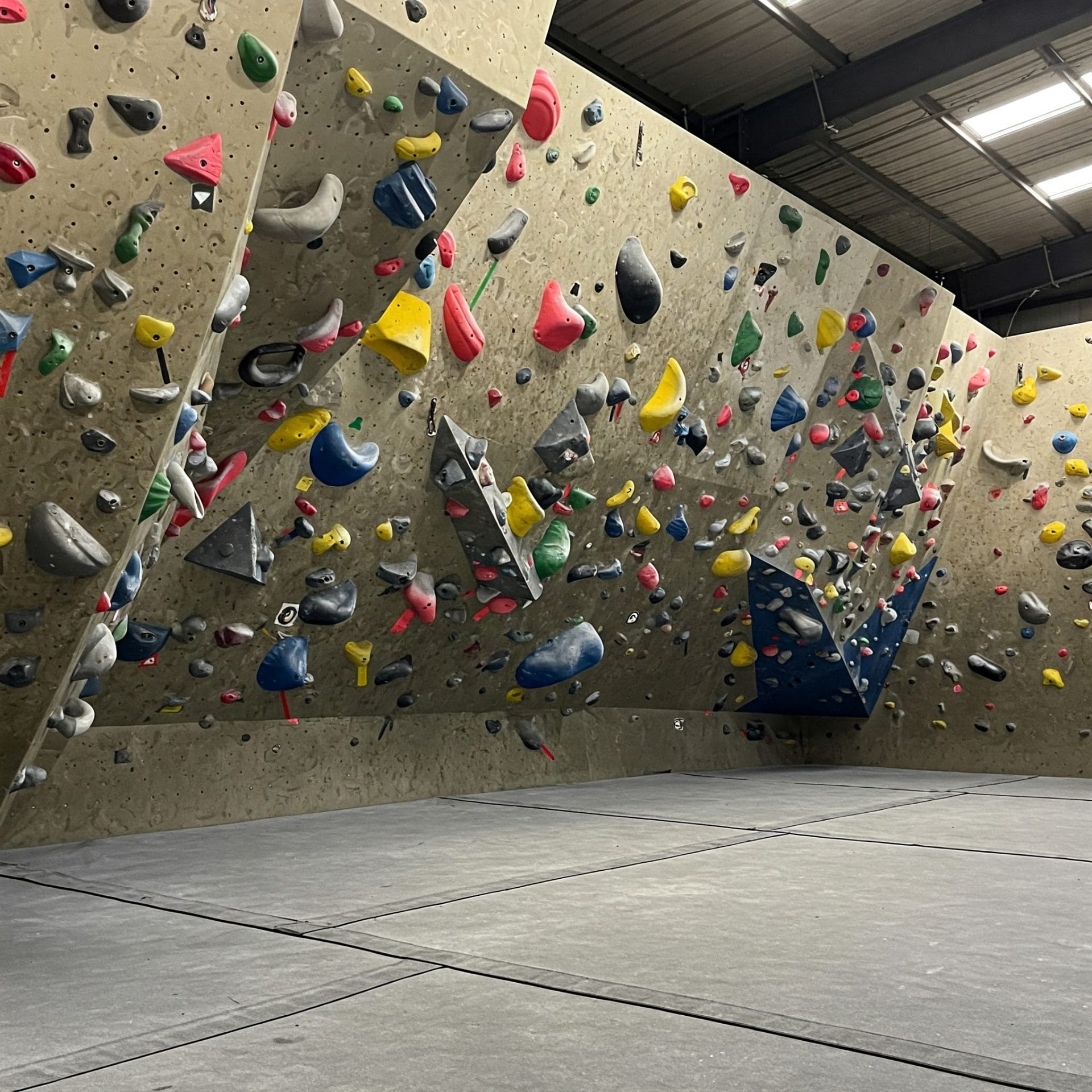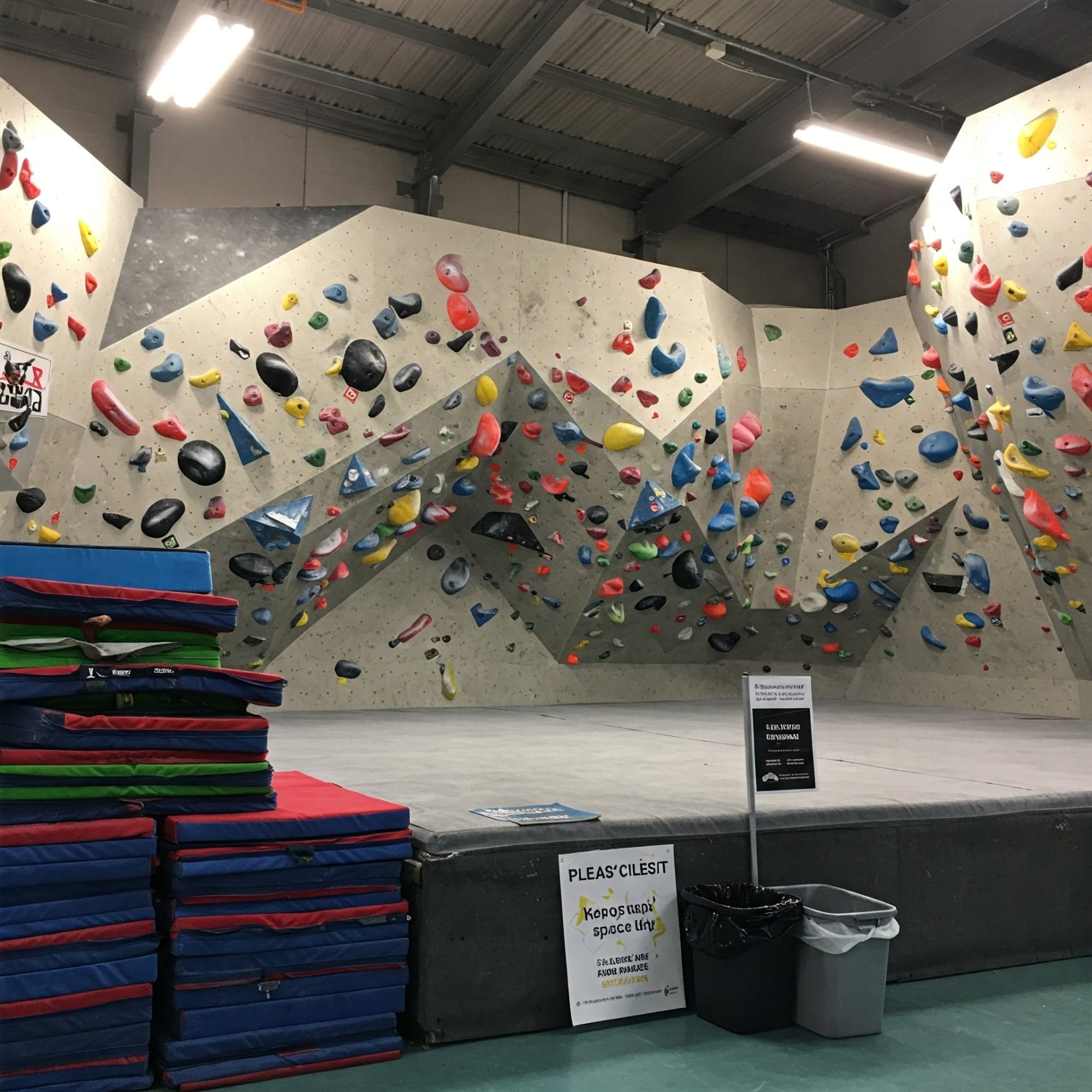
This article shares essential bouldering gym etiquette tips to help you enjoy your climbing experience.
When you walk into a bouldering gym, it’s like stepping into a lively playground. Tall walls, bright holds, and climbers all around—it’s exciting! But there’s a code to follow. Respecting gym etiquette keeps everyone safe and happy. Here are a few key tips: Wait your turn. Be mindful of falling climbers. Clean up chalk and gear after use. (1)
Offer encouragement—motivation goes a long way! These simple rules make a big difference. So, keep climbing and stay safe! There’s more to learn about what makes a great bouldering culture, so keep reading!
Key Takeaway
- Stay clear of fall zones where climbers land.
- Respect the queue and wait your turn.
- Always clean holds after use to keep them safe for others.
1. Stay Out of Fall Zones
The first time I almost got hit by a climber, it was pure luck that I didn’t end up on the ground. I was chatting with my friend at the base of a wall when someone fell. It wasn’t a big fall—about 10 feet—but it was enough to send him crashing down just a couple feet away from me. My heart jumped into my throat. The climber landed safely, but the scare made me realize how dangerous fall zones can be.
Fall zones are marked areas where climbers might land if they slip. Depending on the wall’s height and the climbing type, these zones can vary. For bouldering, it’s about 6 to 8 feet from the wall. For rope climbing, the zone extends further.
Here’s what I’ve learned:
- Watch the climbers around you.
- Stay outside marked fall zones.
- Don’t stand directly under climbers.
- Be aware of others’ movements.
Safety should always come first.
2. Respect the Queue
Credit:By Josh Rundle
At a busy climbing gym, tension can arise when climbers wait their turn for a popular problem. This is especially true when the route is tough, with a tricky crux or big reach. In crowded spaces, respecting the line and queue is key. Here are a few points to remember for good etiquette:
- Respect the queue: Wait your turn—climbing is about the experience, not the race.
- Ask who’s next: If unsure, a simple “Who’s up after me?” helps avoid confusion.
- Don’t hog the route: If you’ve been on the problem for a while, let others have a go.
- Be clear when taking breaks: Resting mid-route should be obvious—don’t sit out of turn.
Climbing is about shared space. A little respect and communication keep the experience fun for everyone. Whether at a gym or crag, good vibes go a long way.
3. Brush Holds After Use
Brushing the holds after a climb is a small yet essential ritual that often gets overlooked. It may seem insignificant, but it has a big impact. Here’s why it matters:
- Chalk builds up on holds and can make them slippery over time, reducing grip.
- Brushing them off ensures holds stay grippy and safe for the next climber.
- It’s about respect for others sharing the same climbing experience.
I always carry a small brush with nylon bristles. It’s a simple tool, but it makes a huge difference.
Here’s how to keep holds in good condition:
- Brush immediately after your climb to remove excess chalk before it sets.
- Focus on high-traffic areas, like hand and footholds.
- Use a small, firm brush—don’t scrub aggressively, just a quick, gentle swipe.
This small act improves the climbing experience and fosters respect among climbers. It becomes part of the gym culture, leading to a better session for everyone.
4. Avoid Beta Spraying
When bouldering, solving problems feels like piecing together a puzzle with your body. It can be frustrating when the moves feel just out of reach. That’s when unsolicited advice can be distracting.
If you’re unsure whether someone wants help, ask first. A simple, “Need some beta?” goes a long way. Offering help without asking often ruins the process for the climber.
Here are some tips for giving advice:
- Ask Before Offering: Make sure the climber is open to suggestions.
- Respect Their Space: If they’re focused, avoid interrupting their flow.
- Read the Room: Some climbers prefer to figure it out on their own.
- When in Doubt, Don’t Offer Advice: Sometimes, the best support is stepping back.
Let climbers have their “aha” moments. Solving a problem on their own brings a sense of accomplishment that makes the sport so addictive.
5. Keep Your Belongings Organized
There’s something unsettling about a backpack sprawled on the floor. It’s not just an inconvenience—it’s a safety hazard. We’ve all been there, rushing from class to class, forgetting to pick up our things. But that careless moment can lead to more than just a bruised ego.
I remember tripping over a friend’s bag in the hallway. I fell hard and scraped my hand. It seemed minor at first, but later, I couldn’t move my wrist for days. Tripping can cause more than just a small injury; it could result in sprained ankles, twisted knees, or even broken bones. You might also hurt someone else.
To avoid accidents:
- Keep bags by your side or in lockers.
- Use shelves or hooks if available.
- Stay aware of your surroundings, especially in crowded spaces.
- Take an extra moment to tidy up the area before leaving.
It’s a small effort that can prevent serious injury.
6. Be Considerate of Others
Bouldering gyms feel like little families. They’re more than just places to climb—they foster a sense of community. When you walk in, the energy is contagious. Everyone is there not just for the climb, but for each other.
- Climbers celebrate each other’s successes, like when someone reaches the top of a boulder problem for the first time.
- The cheers and high-fives are more than just noise—they encourage climbers to push past their limits.
- Support isn’t just about physical help; positive reinforcement boosts motivation and mental toughness.
- The community creates a space where failure is met with kindness, patience, and understanding.
Encouragement is a powerful tool. A smile, a suggestion, or a simple “you got this” can be the difference between frustration and success.
In the end, these small moments of support are what turn a gym into a place to grow, not just a place to climb.
7. Inform Staff About Issues
When climbing at a bouldering gym, safety should always be a priority. It’s easy to get caught up in the excitement, but vigilance is key.
- Loose Holds: If a hold feels wobbly or unstable, report it immediately. It could lead to an injury if someone loses their grip.
- Cracked Walls: Cracks in the wall can affect how holds are mounted, making climbing unsafe.
- Injured Climbers: Notify staff right away if you see someone fall or get hurt. They’re trained to manage these situations.
- Climbing Surface: Check that mats are properly positioned and not bunched up, ensuring a safe landing spot.
Taking a few seconds to spot potential hazards or notify staff can prevent accidents. It might seem small, but looking out for each other helps keep the gym safe. A little vigilance makes the gym feel like a second home.
8. Ask Questions if Unsure
When you’re new to bouldering, there’s a lot to learn. It’s not just climbing—there’s the gym culture, different holds, routes, and lingo. But you don’t need to know everything at once. Most gyms are welcoming, and people want you to enjoy and improve.
When I first started, I was nervous about asking questions. I thought I might look silly or slow down others. But honestly, asking for help is usually the best way to get started. Experienced climbers and staff are happy to answer questions, no matter how small.
The community is supportive, and it’s okay to ask about things like:
- Climbing grades: What does V2, V3, or V4 mean?
- Body mechanics: How to use your hips and legs?
- Safety: Proper falling technique to avoid injury?
- Shoes and gear: How tight should climbing shoes be?
- Route setting: How to approach crimpy or sloper-heavy routes?
Asking questions helps you learn faster, and the climbing community is there to support you.
9. Spotting Etiquette

When you’re at the gym, especially in a climbing gym, always ask if the climber wants a spot. Spotting isn’t just about standing by—it’s being ready for the unexpected. Climbers can slip, lose their grip, or make a wrong move, and a spotter can help guide them down or cushion their fall.(2)
Key points to remember:
- Spotting for bouldering: Guide their body toward the crash mat without grabbing them.
- Spotting for roped climbing: Mostly mental support, but be ready to react if they fall.
- Ask how they want you to spot: Each climber may have a different preference.
- When climbing: Take a moment to decide if you want a spotter. A good spotter can prevent injury, while a bad one might make things worse.
It’s a small gesture, but it can make a big difference in safety. Always be clear about whether you want one or not.
10. Maintain Personal Hygiene
In any bouldering gym, hygiene is crucial. Shared spaces like climbing gyms attract sweat, chalk, and dirt, which can impact everyone’s experience. Here’s why cleanliness matters:
- Respect for others: Wearing a clean shirt shows you care about the space and the people around you.
- Hygiene: Climbing involves close contact with mats and holds, so keeping your shirt fresh helps prevent the spread of germs.
- Grip and performance: Sweaty skin on holds can leave oils and dirt, affecting your grip and the experience for others.
- Comfort: Choose moisture-wicking fabrics for better movement and comfort during your climb.
Remember, wearing a shirt isn’t just a rule—it’s a courtesy. When packing for the gym, a clean shirt is an easy step toward a more hygienic, respectful, and enjoyable environment for everyone.
Conclusion
In this wrap-up, I shared some bouldering gym etiquette tips. Stay clear of fall zones, respect the queue, and keep your gear organized. These simple rules make sure everyone can have fun and stay safe while climbing. A little respect goes a long way in building a great climbing community. So, keep climbing, support each other, and enjoy your time at the gym. Happy climbing!
FAQ
What is bouldering etiquette?
Bouldering etiquette includes basic rules to ensure everyone has a good time while climbing. It’s all about being respectful and considerate to others in the gym. This means waiting your turn, not hogging the same wall, and cleaning up after yourself. It’s also good to cheer on others and offer help when you can. Creating a positive environment makes bouldering more enjoyable for everyone!
How do I share climbing space with others?
When sharing climbing space, be aware of your surroundings. If someone is climbing near you, give them space to fall safely. Avoid climbing on the same wall until the other person is done. If you want to try a problem, ask if it’s okay to jump in. Communication is key, so just be friendly and considerate.
What should I wear to the bouldering gym?
Wear comfortable clothing that allows you to move freely. Climbing shoes are essential for grip and support. Avoid wearing anything too baggy that might get caught while climbing. It’s also a good idea to bring a water bottle and a towel to stay hydrated and clean up after yourself. Dressing appropriately helps you focus on climbing instead of adjusting your clothes.
Can I bring my own chalk to the gym?
Yes, you can usually bring your own chalk to the gym! Just make sure it’s gym-friendly and doesn’t make a mess. It’s common to see climbers using chalk, as it helps with grip. However, some gyms have specific rules about chalk, so it’s good to check their policy before you bring your own.
How do I ask for help with a climbing problem?
Don’t be shy! If you’re stuck on a climbing problem, just ask someone nearby for tips. Most climbers are happy to offer help or share their insights. You can say something like, “Hey, do you have any advice on this problem?” Being polite and approachable makes it easier for others to help you out.
What should I do if I see someone being rude or unsafe?
If you notice someone being rude or unsafe, it’s best to address it calmly. You can either talk to the person directly, if you feel comfortable, or let a staff member know about it. Safety is important in bouldering, and we all want to have a good experience, so speaking up can help maintain a positive environment.
How can I support others while they climb?
Supporting others while they climb is all about encouragement! Cheer them on, offer feedback if they ask for it, and help spot them if they’re trying something tough. A simple “You got this!” can boost someone’s confidence. It’s all about building a supportive community where everyone feels motivated and appreciated.
Is it okay to take breaks during a climbing session?
Absolutely! Taking breaks during your climbing session is totally fine. It’s important to listen to your body and rest when you need to. Whether you’re hydrating or just catching your breath, breaks help prevent fatigue and injuries. Plus, it gives you a chance to watch others climb and maybe even pick up some tips!
References
- https://frictionlabs.com/blog/what-is-good-climbing-gym-etiquette
- https://www.ascendclimbing.com/blog/ascends-guide-to-climbing-gym-etiquette