Discover essential gear tips for beginners in hiking, climbing, shooting, and sailing to enhance your outdoor experience.
When jumping into outdoor activities, many beginners understand that possessing the right gear is essential for both safety and enjoyment. No one wants to feel unprepared or struggle while others are having fun. This guide highlights the must-have equipment that can make starting any outdoor adventure smoother and more enjoyable.
From reliable footwear to all-weather clothing, having the essentials can improve confidence and performance. Whether it’s cycling, hiking, or climbing, understanding what to pack can significantly enhance the experience.(1)
Key Takeaway
1. The right gear enhances safety and enjoyment in outdoor activities.
2. Comfort and fit are essential, especially for footwear.
3. Researching gear requirements helps you make informed choices.
Essential Gear Tips for Beginners
Source : Jon Conti
Starting a new outdoor activity is thrilling, but the gear selection process can feel daunting for beginners. Breaking it down into manageable essentials ensures a smooth and enjoyable introduction to hiking, climbing, shooting, or sailing.(2)
Hiking Gear
Choosing the right gear can make or break a hiking adventure:
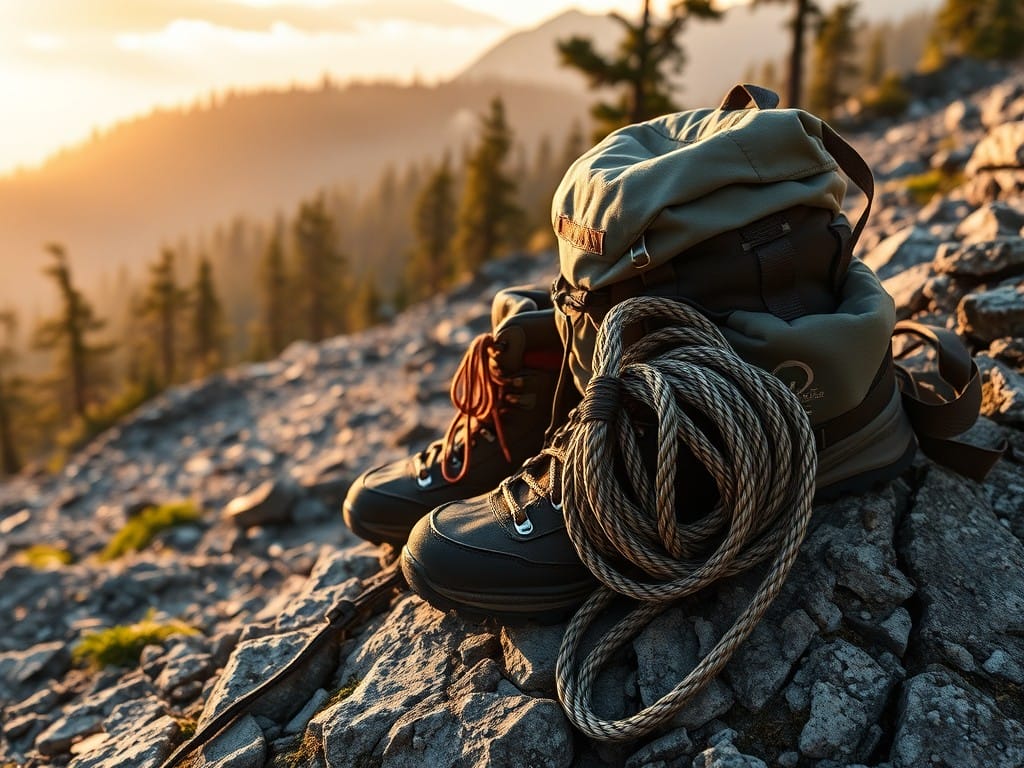
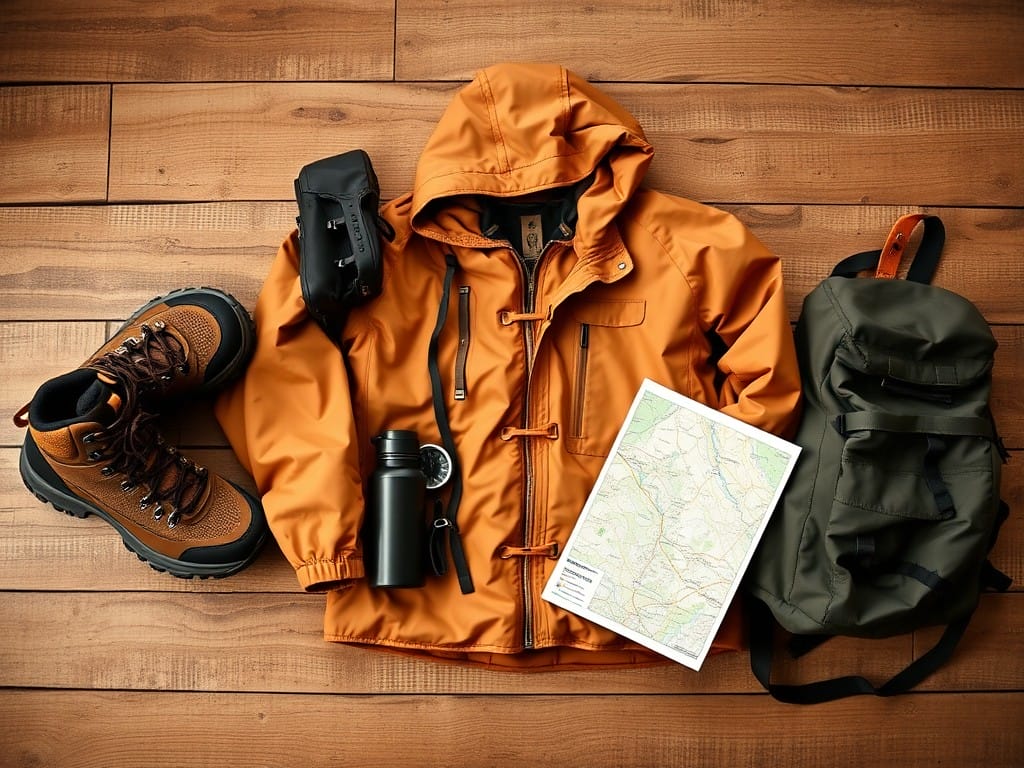
- Footwear: Proper hiking boots provide essential ankle support and comfort, making them ideal for varied terrains. For budget-conscious beginners, boots often offer better protection than shoes your feet will thank you after a long day!
- Socks: Moisture-wicking Merino wool socks prevent blisters and enhance comfort. Don’t skip this step; happy feet mean a happy hiker!
- Clothing Layers:
- Base Layer: Keeps sweat off the skin.
- Mid Layer: Adds warmth without bulk.
- Outer Layer: Shields against wind and rain.
- Trekking Poles: Optional but highly beneficial for stability on uneven paths or steep climbs, reducing strain on knees.
- Backpack: A well-organized backpack with multiple compartments ensures easy access to essentials like water, snacks, and extra gear.
Climbing Gear
Whether climbing indoors or outdoors, these items are key for safety and performance:
- Climbing Shoes: A snug fit is vital for precision on holds. Popular beginner models like the Black Diamond Momentum and Mad Rock Rover offer comfort and grip.
- Harness: Should fit securely and adjust easily, feeling like a natural extension of the climber’s body.
- Chalk Bag: Keeps hands dry for a confident grip on holds, a simple but indispensable addition.
Shooting Range Gear
Safety and organization are the foundation of a great range day:
- Safety Gear: Eye and ear protection are non-negotiable, protecting against loud noises and flying debris.
- Ammunition and Magazines: Always bring enough ammo for the session and check the range’s guidelines on permitted ammo types.
- Range Bag: An organized bag with compartments for protective gear, targets, and ammo simplifies the experience.
Sailing Gear
Comfort and safety are paramount on the water:
- Personal Flotation Device (PFD): A well-fitted life jacket is essential for every sailor’s safety, whether cruising or racing.
- Sailing Gloves: These prevent rope burns and improve grip, making handling lines much easier.
General Tips

- Comfort and fit should always take priority, especially for footwear. If something doesn’t feel right, explore other options.
- Renting gear before purchasing allows beginners to test what works best for them.
- Research gear requirements for specific activities. Knowledge is the key to a safe and enjoyable outdoor experience!
With the right essentials in hand, beginners can dive into their new hobbies confidently, knowing they’re well-prepared for the adventures ahead.
Conclusion
Equipping yourself with the right essentials can make all the difference in having a safe and enjoyable experience during outdoor activities. It’s important to remember that preparation is key. Taking the time to invest in gear that fits well and meets your specific needs will pay off in comfort and performance. Whether you’re hiking, climbing, or exploring new trails, the right equipment can boost your confidence and help you tackle challenges with ease. Each adventure can be smoother with thoughtful choices.
Frequently Asked Questions
What gear should beginners prioritize?
Start with the basics: gear that’s safe and essential. For most activities, this means sturdy shoes, proper clothing, and any safety equipment required (like a helmet or gloves). Avoid buying too much at once. Focus on quality and comfort for your needs.
How do I choose beginner-friendly gear?
Look for gear that’s simple, durable, and easy to use. Avoid overly technical or specialized equipment until you know what suits your style. Lightweight designs and adjustable features are helpful, especially if you’re still learning the ropes.
Is expensive gear better for beginners?
Not always. Affordable gear often works just as well for starting out. It’s more important to find something that fits you properly and feels comfortable. Spend more on items you’ll use often, like shoes, and save on less critical extras.
Should I buy or borrow gear when starting out?
Borrowing or renting is smart if you’re trying a new activity. It lets you test things out without spending too much. Once you’re more committed, investing in your own gear makes sense for comfort and long-term use.
How do I know if gear fits properly?
Good fit is about comfort and function. For example, shoes shouldn’t pinch, and backpacks should sit evenly without straining your back. Try items on, move around, and check for pressure points. Adjustable straps and sizing options help fine-tune the fit.
How do I take care of beginner gear?
Keep it clean and store it properly. Wipe down dirt, avoid leaving gear in damp areas, and follow any care instructions. Regular checks for wear and tear (like fraying straps or cracked material) can extend its lifespan.
Can I buy used gear as a beginner?
Yes, used gear is a great way to save money, especially on items like helmets or shoes. Just inspect it carefully for damage or wear. Avoid buying used safety gear unless you trust the source and know it’s in good condition.
What’s the best way to shop for beginner gear?
Visit local stores if possible to try things on and get advice. Online reviews and buying guides can help narrow down choices, but hands-on testing is ideal for fit and feel. Take your time and focus on what feels right for you.
References
- https://www.team-bhp.com/forum/ride-safe/245866-beginners-guide-purchasing-riding-gear-first-time.html
- https://towildbikes.com/blogs/cycling-tips/beginner-s-guide-to-cycling-gear?srsltid=AfmBOop9qrEXkya9vQuW7P9uaVbgys86v83n8MZgSqcrgMTnzOgaTOCj