This article explains different climbing styles and techniques, each offering unique challenges and experiences.
Climbing includes various styles, each with its own techniques and characteristics. Grasping these differences can help climbers select the best approach based on their skills and goals. From the powerful moves in bouldering to the careful planning in lead climbing, each style offers a different kind of challenge. Understanding these styles not only enhances performance but also enriches the climbing journey. For those who want to learn more about the different styles of climbing and how to climb, keep reading!(1)
Key Takeaway
- There are several styles of climbing, including traditional, sport, and bouldering.
- Each climbing style requires specific techniques to enhance performance and safety.
- Specialized techniques, like friction climbing, offer unique challenges and skills.
Climbing Styles
Source : Hannah Morris Bouldering
Trad Climbing
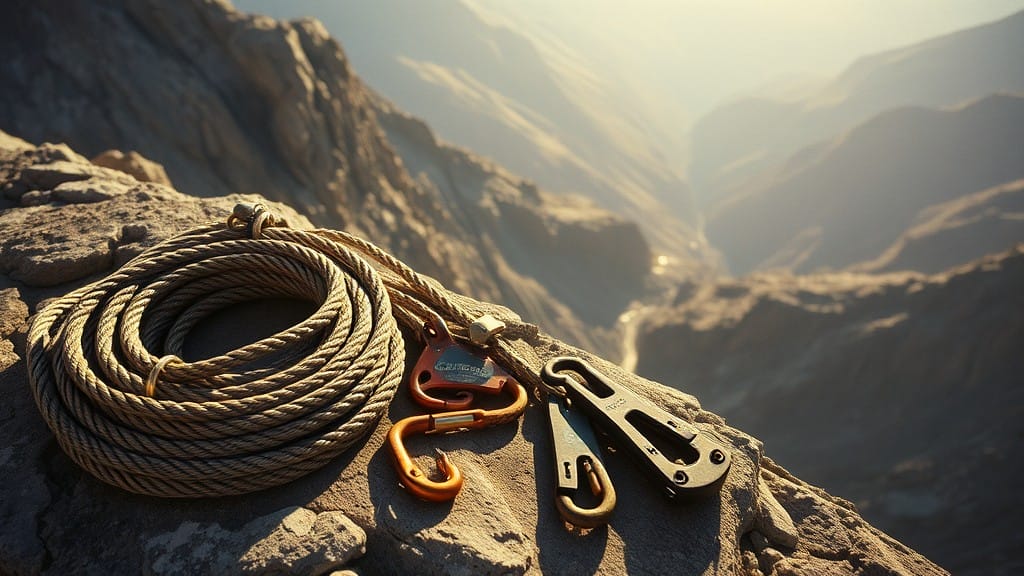
Trad climbing is an adventurous style where climbers place their own protection gear, like cams and nuts, as they ascend. This requires climbers to assess rock features and find suitable spots to secure their equipment. The physical and mental demands of this style encourage climbers to connect with nature and enhance their skills in navigating various routes. Trad climbing is often seen as more rewarding because it offers less crowded routes and the satisfaction of placing one’s own gear.
Sport Climbing
Sport climbing is a safer style that uses fixed protection, such as bolts, which climbers clip into as they ascend. With the gear already in place, climbers can focus on the climbing moves and challenges rather than worrying about gear placement. Sport climbing routes are commonly found in climbing gyms and outdoor areas with established routes. This accessibility allows climbers to progress at their own pace and find challenges that suit their skill levels. The simplicity of starting sport climbing helps climbers improve their skills without the hassle of setting up protection.
Top Rope Climbing
Top rope climbing is beginner-friendly, as it anchors a rope at the top of the route. This setup minimizes the risk of falling far, as the rope catches climbers if they slip. New climbers can gain confidence while learning the basics and focusing on their technique and footwork without the anxiety of falling. Many climbing gyms offer routes specifically designed for beginners, making it easy for them to start their climbing journeys. As climbers become more experienced, they can transition into other styles, like sport climbing or trad climbing.
Bouldering
Bouldering features short, powerful routes known as problems, which climbers ascend without ropes. These climbs typically reach heights of up to 20 feet. Climbers use crash pads to protect themselves from falls, making this style both accessible and thrilling. Bouldering emphasizes strength, technique, and problem-solving. Climbers often collaborate to find the best ways to tackle each problem, creating a fun and social atmosphere. This style is popular among climbers of all levels because it is quick and intense, helping them improve rapidly and feel proud of their progress.(2)
Footwork Techniques

Climbers use the toe of their climbing shoe on footholds, allowing for precise weight placement and control. This technique works well on steep or technical routes by maximizing balance and engagement with smaller holds. Practicing toeing-in helps climbers improve foot placement skills and overall efficiency. Heel hooking is when climbers use their heel to push against holds, helping them gain more power and stability, especially on steep routes.
By hooking their heels, climbers can shift their weight and reach higher holds, saving energy. This technique entails pulling with the upper foot to gain leverage and maintain balance. It helps climbers create a stronger connection with the wall. Toe hooking is often used in bouldering and sport climbing, where quick movements and good footwork are important for success.
Body Positioning
Keeping knees and elbows aligned creates stability. This technique helps climbers balance their weight better, making it easier to reach holds and reducing strain on their arms and legs. Staying square to the wall allows for longer climbs without fatigue. This technique involves crossing one leg behind the other to maintain balance when reaching for high holds.
The back-flag position acts as a counterbalance, stabilizing the body during movement. It’s particularly useful on steep or challenging routes. The drop knee technique requires climbers to rotate their hips closer to the wall while reaching upward. This technique helps climbers stay balanced and reach higher holds more easily, making it easier to climb. It can also aid energy conservation during long climbs.
Dynamic Movement
This technique uses momentum for quick leaps or reaches toward holds. Climbers often need to generate upward movement, especially on tough routes. By utilizing dynamic movement, they can cover more distance and access holds that may be otherwise unreachable. The moon-kick technique involves swinging a foot to generate upward movement at its peak. It helps climbers gain height and reach challenging holds. The moon-kick adds fluidity to climbing, allowing for smooth transitions.

Specialized Techniques
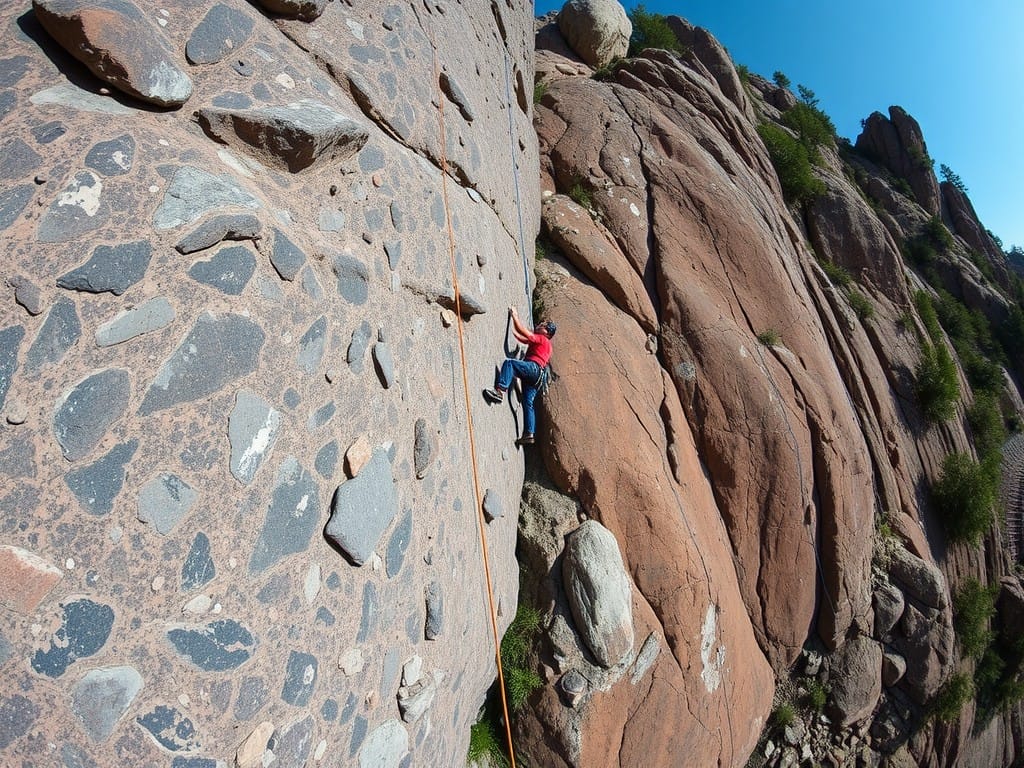
Friction climbing is when you climb on less steep surfaces by carefully placing your feet and shifting your weight. Climbers often depend on their feet rather than handholds, using the rubber of their shoes to create friction against the rock. Good balance and body positioning are essential, especially when handholds are scarce. Practicing on slab routes helps climbers build confidence and skills in this challenging style.
Smearing is used on smooth surfaces where climbers rely on the friction of their shoes instead of footholds. When footholds aren’t apparent, climbers press the soles of their shoes against the rock. This technique needs good footwork and balance, as you need to distribute your weight correctly to stay stable. Smearing is especially useful in bouldering when there are no good footholds. By practicing smearing, climbers can become more adaptable and climb better on different surfaces.
Conclusion
Each climbing style is different and requires different skills, making climbing fun for everyone. From the adventurous spirit of trad climbing to the precise movements in bouldering, climbers can find what suits them best.Understanding these different styles and techniques helps climbers improve their skills, stay safe, and have more fun. This variety allows everyone, from beginners to experts, to enjoy climbing and achieve their goals.
Frequently Asked Question
What are the different climbing styles?
There are various ways to climb, such as bouldering, top roping, lead climbing, trad climbing, sport climbing, and free soloing. Each style varies in difficulty, gear requirements, and techniques. Some involve ropes and harnesses for safety, while others, like bouldering, focus on short climbs with crash pads.
How is bouldering different from other styles?
Bouldering involves short climbs on walls or rocks without ropes, using crash pads for safety. It focuses on power and problem-solving. Unlike other styles, it doesn’t require much gear, making it beginner-friendly and perfect for quick sessions.
What is lead climbing?
Lead climbing involves clipping a rope into anchors as you ascend. It requires more experience and gear than bouldering or top roping. Climbers must carry quickdraws and know how to handle falls while climbing longer, vertical routes.
How does trad climbing work?
In trad climbing, climbers place and remove their own gear, like cams and nuts, to protect against falls. This style needs a solid understanding of gear and climbing skills, offering a classic and thrilling experience.
What makes sport climbing unique?
Sport climbing involves climbing routes with pre-placed anchors for protection. Climbers clip their ropes into these anchors, letting them concentrate on the climb instead of setting up gear like in trad climbing.
Is free soloing safe?
Free soloing is the riskiest style of climbing, as it involves scaling routes without ropes or safety gear. It’s only for highly skilled and experienced climbers because mistakes can have severe consequences. It’s not recommended for most climbers.
What is top roping?
Top roping involves climbing with a rope anchored at the top of the route. A belayer manages the rope to keep the climber safe. This style is beginner-friendly, offering a secure and supportive way to learn climbing techniques.
Can climbing styles overlap?
Yes, many climbers mix styles. For example, someone might enjoy bouldering for short challenges and trad climbing for adventure. The variety keeps climbing exciting and lets climbers choose styles based on their skills, mood, or goals.
References
- https://www.cotswoldoutdoor.com/the-knowledge/climbing/a-beginners-guide-to-climbing-styles.html
- https://www.outdooractive.com/en/knowledgepage/climbing-styles/56636254/