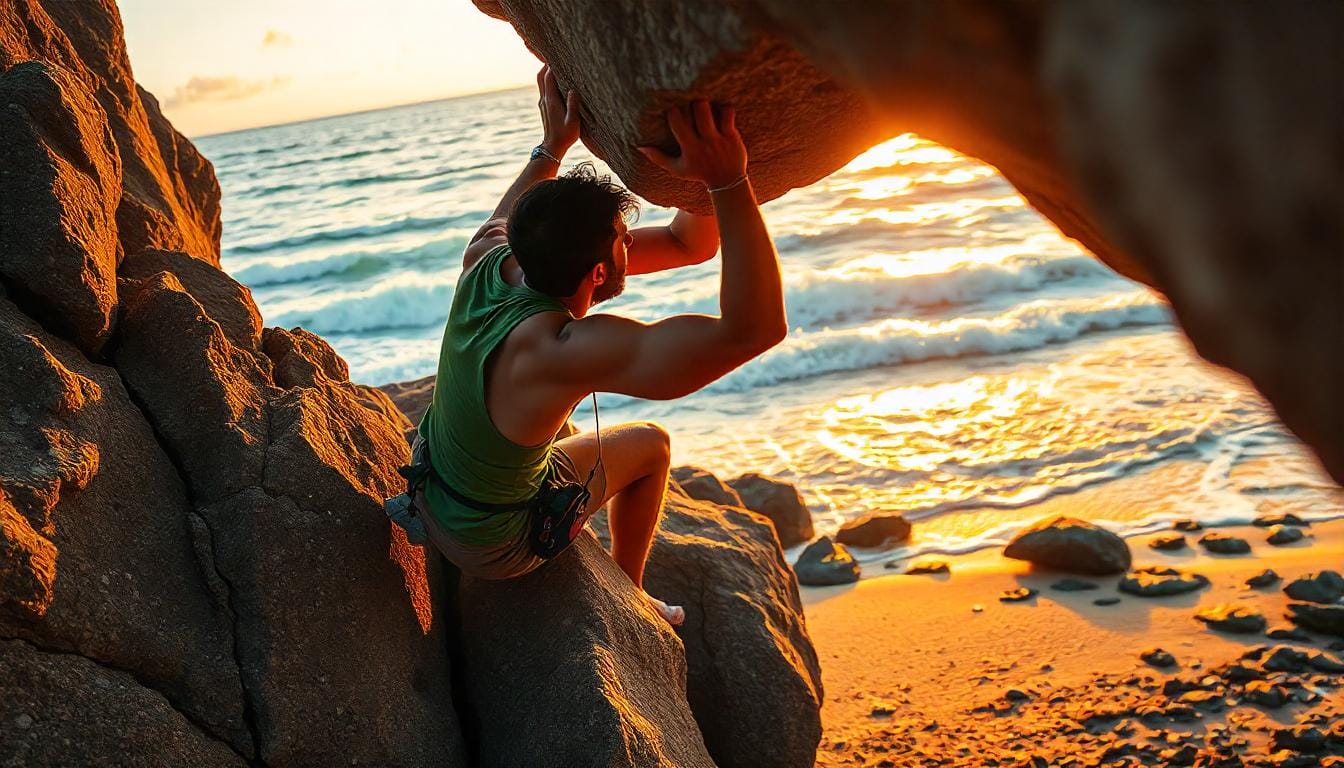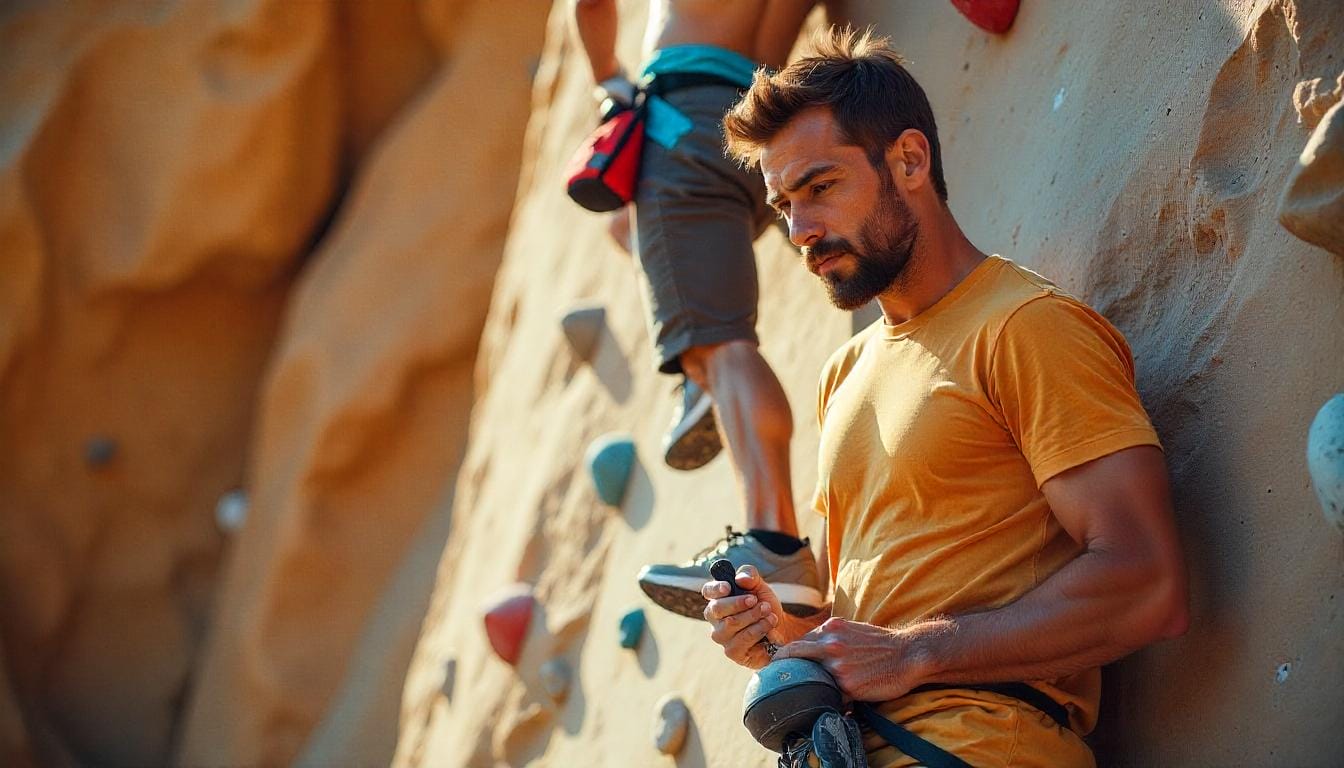
Bouldering safety is super important for anyone who loves climbing. It’s thrilling to climb high, but danger also lurks. As one guide said, “Broken bones or sprains can happen, even with padding below.” So learning safety tips is key for every climber. Keep reading to discover essential gear, smart climbing techniques, and how to stick the landing. The boulders beckon, but caution protects both body and spirit. With wisdom and care, climbers can scale new heights while avoiding needless risk. The mountains teach humility to those who listen. Their lessons reward a lifetime.
Key Takeaway
- Climbing requires personal responsibility for safety.
- Always be aware of your surroundings and climb within your limits.
- Using safety gear, like crash pads and climbing shoes, is essential.
What is Bouldering Safety?
Credits : Nottingham Climbing Centre
Climbing without ropes may sound scary, but bouldering can actually be pretty safe when you follow the rules. This type of climbing happens on shorter walls, usually between 12 to 20 feet tall. Even though the climbs are low, you can still get hurt if you fall. That’s why it’s extra important to use crash pads and pay attention.
Crash pads are a boulderer’s best friend. These big, soft pads go on the ground below the climber. If the climber slips and falls, the pad helps cushion their landing like a big pillow. Ouch! But way better than falling on hard ground. The pads are made of thick foam that squishes on impact to absorb energy. Having crash pads in the right places around the wall can prevent more serious injuries.
The right shoes also help. Bouldering shoes fit super snug and really grip the wall. They almost feel like a second skin for your feet! The rubber is sticky so your toes can latch onto the tiniest ledges and edges. Good shoes mean less slips. And less slips means less falls.
Even with the right gear, climbers have to be responsible. Pay attention to what’s going on around you. Don’t climb under or above another climber who could knock into you. Be aware of how high you are off the ground. Know your limits and don’t try climbs that are too hard for your skill level. Following safety basics keeps the sport fun for everyone! (1)
Equipment for Bouldering Safety

Climbing gear is super important for boulderers! It helps keep them safe while they have fun on the wall. Here are some must-have items:
Crash pads – These big, soft pads go on the ground under climbers. They cushion falls like a pillow. Ouch, but way better than falling on hard ground! Good pads are thick and absorb impact. They help prevent more serious injuries from short climbing falls.
Chalk bags – Climbers use chalk to dry their hands and improve their grip. Sweaty hands make it hard to hold onto the wall. Chalk helps climbers latch onto tiny holds without slipping. No surprises on the wall!
Climbing shoes – These special shoes fit tight and have sticky rubber soles. It’s like a second skin for your feet! The shoes help climbers stick to the wall and balance on tiny footholds. Good shoes mean better control and fewer slips.
Having the right gear is step one. But climbers also need to use it properly. Place crash pads correctly to catch potential falls. Re-chalk your hands often to keep them dry. Pick shoes that fit your feet and climbing style. Check all gear regularly for wear and tear. Taking care of equipment helps ensure safe, fun climbing every time! (2)
Climbing Within Your Limits
Pushing your limits can be tempting when you see friends sending that super hard route. But climbing too hard, too fast is an easy way to get hurt. It’s safer and more fun to climb within your abilities. Here are some tips:
Start small – Don’t just hop on the hardest route in the gym! Build skills on easier climbs first. Get comfy with technique before moving up. Mastering those V0s and V1s builds a solid foundation.
Know your current skills – Be honest about your experience level. Just starting out? Stick to beginner routes. Climbing V3? Don’t jump straight to V5. Small steps up the grade scale are safer.
Ask for beta – Unsure about attempting a route? Ask staff or other climbers for advice. They can tell you if it’s suited for your skill level. Chances are, they’ll have good tips to send it clean!
The key is being self-aware. Don’t let ego push you into routes too hard or too high. Progressing slowly allows skills, strength and confidence to grow in sync. With patience, that dream route will come into reach! Staying within your limits keeps bouldering challenging, but most importantly, keeps it safe.
Awareness of Surroundings
Bouldering areas can get busy, so you’ve gotta keep your eyes open! Before jumping on a problem, take a quick look around. Make sure no one is climbing too close to your space. You don’t want any surprise collisions up on the wall!
Also check to see if the landing zone is clear. That means no people or obstacles in the area where you’ll likely fall. Scan for any loose holds or slippery spots too. Being aware of your surroundings helps avoid accidents for you and others.
Leave plenty of room between climbers. Don’t climb directly above or below another person. Gravity plus flailing limbs and ropes makes for a messy situation! Be a good buddy and help spot your friends. You can guide them away from other climbers if they fall unexpectedly.
Communication is key – let others know your plan before you climb. And pay attention when they share theirs. That way everyone understands the movement on the wall. With good awareness and teamwork, the climbing area stays secure for all to enjoy! Just remember to keep your eyes peeled and your spatial awareness switched on.
Preparation for Climbing

Before you start climbing, it’s smart to do some prep work first. This gets you ready for a safe and fun time on the wall! Here are some tips:
- Attend a new climber orientation if offered. Gyms want you to know the ropes (pun intended)! They’ll explain important safety rules and how everything works. It’s a great crash course.
- Read any posted rules and guidelines. Look for signs near the front desk or around the gym. Knowing the do’s and don’ts keeps everyone secure.
- Warm up properly. Do some light stretching and get your blood pumping before climbing. This helps avoid strains or sprains from just jumping on the wall cold.
- Double check your gear. Make sure harnesses are tightened properly and ropes are tied correctly. Confirm your climbing shoes still fit snugly. Good gear = safe climbing.
Preparing both your body and mind is key. Understanding the gym’s safety policies helps you be a responsible and mindful climber. Ask staff if you ever have questions or concerns. With the right knowledge, you’ll be equipped for an awesome and accident-free time climbing!
Techniques for Falling Safely
Falling happens in climbing, but you can learn techniques to take a tumble safely! Practicing how to fall the right way helps reduce the chance of getting hurt. Here are some tips:
Try to stay loose and relaxed if you feel yourself slipping off the wall. Tensing up can actually make injuries worse! Keep those muscles nice and loose to help absorb impact.
Aim your body to land on the crash pad below. The pad is there to cushion your fall, so try to hit it directly. Way better than landing on hard ground!
When your feet touch down, practice rolling with the momentum. This distributes the force across your body instead of just your ankles or knees. Rolling helps soak up that energy from the fall.
Practicing falls in a safe place like the gym lets you get comfortable with the sensation and dial in your technique. Over time, you can learn to fall well and avoid injuries. Staying relaxed, landing on the pad, and rolling – these skills take some work but are so worth it! With practice, you’ll gain confidence for when real falls happen while climbing.
Common Injuries and How to Prevent Them
Climbing looks so fun! But like any sport, it does come with some risk of ouchies. Here are some common climbing injuries and tips to avoid them:
Sprains – These happen when you twist your wrist, ankle or other joints too far. Sticking to routes within your skill level can help prevent painful sprains. Don’t push too hard too fast!
Fractures – Falling wrong can lead to a broken bone. Ouch! Always use crash pads and land on them properly. Their squishy foam absorbs impact to protect your bones.
Bruises – It’s easy to bump into the wall or bang a body part on holds. Be aware of your surroundings so you don’t get surprise bruises.
To climb safely:
- Pick routes that match your ability. Don’t let ego take over!
- Use crash pads correctly to cushion falls and landings.
- Check your shoes and gear frequently for wear and tear.
- Communicate with spotters and other climbers.
Staying within your limits, using the right gear, and paying attention is the recipe for safe, injury-free climbing. Follow the rules and have an awesome time on the wall! (3)
The Role of Spotters in Bouldering
Having a trusted spotter by your side can make a big difference in bouldering safety. Spotters are like your climbing guardians, ready to help if you take a tumble. Here’s what makes them so important:
- Positioning – A good spotter will stand in just the right spot below you. Close enough to help, but not too close to be in the way. Proper positioning gives them the best view to spot you.
- Clear landing – Spotters scan the area and make sure it’s free of gear, people, or anything else you could land on. They help create a nice clear place to land safely.
- Encouragement – Spotters don’t just provide physical assistance. They also give mental support with cheers and advice! This boost of confidence can be just what you need for a tough problem.
- Falling skills – Good spotters know how to properly guide a falling climber to avoid injuries. They help direct you towards the crash pad for a safe landing.
Having someone you trust as your spotter takes some of the stress out of climbing. You can tackle challenges with more confidence knowing they’ve got your back. Their knowledge, care, and attention helps you climb safer and smarter. Spotters are the ultimate bouldering buddy!
Understanding Bouldering Areas

Indoor gyms and outdoor crags each have their own unique twists for bouldering safety. Here’s the scoop:
Indoor Gyms:
- Cushy padded floors help soften falls and tumbles. Sweet relief for your knees! But don’t let the soft pads give you a false sense of invincibility. Stay alert.
- Gyms often feel controlled, but you’ve still gotta keep safety in mind. No loafing around or climbing under another bro!
Outdoor Bouldering:
- Uneven ground, rocks, and roots can make landings extra tricky. Scope out your landing zone before climbing. Clear away loose stuff.
- Natural elements like weather, moisture and lichen can complicate things too. Conditions are always changing outside.
The main thing is assessing the risks before climbing in any spot. Indoor or outdoor, know what to watch out for. Use the right pads, choose safe landing zones, and climb smart. Paying attention is half the battle. With good judgment, you can send safely in any bouldering arena!
Following Safety Rules
The climbing gym isn’t just a big jungle gym to goof around on. There are important safety rules to follow so everyone can have fun. Here are some key ones:
- Find a partner! Climbing solo can be super dangerous if you take a tumble. Having a bud with you means you’ve got someone watching your back.
- Use your gear right. Crash pads and harnesses only work when used properly. Follow the instructions so they can do their job.
- Give others space. Look before you leap! Keep a respectful distance from other climbers so no one gets accidentally kicked or crashed into.
- Listen to staff. They know the gym’s rules best. If a staff member gives you a reminder or pointer, be cool and take their advice.
The rules are there to protect everyone and make the gym an awesome place to enjoy. It’s not just about you – it’s about climbing together safely. So be kind, be smart, and follow the rules. Then you’ll be set for a radical time scaling the walls!
FAQ
How do I stay safe in the bouldering area and fall zones?
For safe bouldering, always be aware of your landing zone and fall zones. Keep the area around you clear of other climbers and gear like chalk bags. When you hit the pads, use proper falling technique – land with bent knees and roll backward if needed. Climbing is inherently risky, so always have a spotter watching your fall zone.
What’s the difference between top rope and lead climbing versus bouldering falls?
In roped climbing, you’re protected by belay devices and auto belay systems, while bouldering relies on crash pads and spotters. Top rope and lead climbing use a brake hand and belay device for safety, while bouldering falls are shorter but more frequent. Both require good practice and proper technique.
What can I learn from professional climbers about safety?
Pro climbers like Nina Williams and Kiff Alcocer emphasize that climbing and bouldering require careful attention to safety. They recommend practicing on indoor climbing walls first, where staff members can guide you on proper technique, before moving to outdoor rock climbing.
How do I avoid hitting the ground while climbing?
Whether you’re on climbing walls or bouldering, stay focused on your movements and never climb higher than you feel comfortable falling. For bouldering, always ensure crash pads fully cover your potential landing zone. In roped climbing, double-check your belay setup before starting.
What makes indoor climbing safer for beginners?
Indoor climbing offers controlled environments with padded floors, clearly marked bouldering areas, and trained staff members to help. You’ll find proper safety equipment, well-maintained climbing walls, and fellow climbers who can share good practice tips while you learn.
Conclusion
The thrills of bouldering bring climbers back again and again. Yet the rocks don’t care if you fall. Staying safe takes smarts. Use quality pads, spot friends, and climb within your limits. Scan for loose holds before each attempt. Don’t crowd others mid-route. Most of all, respect the stone. With care and awareness, climbers can send their projects and see new sunrises. The mountains humble us, but they also teach wisdom. Their lessons are worth learning.
References
- https://www.advnture.com/features/rock-climbing-dangers#section-how-to-stay-safe-when-rock-climbing
- https://www.switchbacktravel.com/info/rock-climbing-checklist
- https://healthcare.utah.edu/healthfeed/2024/07/reach-new-heights-understanding-rock-climbing-injuries