Upgrade your bouldering setup with essential gear—crash pads, climbing shoes, chalk, and more. Get the equipment you need to climb with confidence!
Bouldering equipment is the backbone of every climber’s journey. From chalk bags (to keep hands dry) to crash pads (thick foam mats for safe landings), the right gear can turn a rocky scramble into a smooth ascent. Climbers need shoes with sticky rubber soles—tight but not painful—and a brush to clean holds.
Some swear by finger tape, others by a trusty water bottle. The essentials are simple, but each piece matters. For beginners, start with shoes and chalk. Seasoned climbers might add a portable crash pad. Whatever the level, good gear makes the climb better. Keep reading to find your perfect setup.
Key Takeaways
- Bouldering requires specific equipment for safety and performance.
- Choosing the right gear can greatly improve your climbing experience.
- Beginners should focus on essential items like shoes and crash pads.
Bouldering Equipment Guide
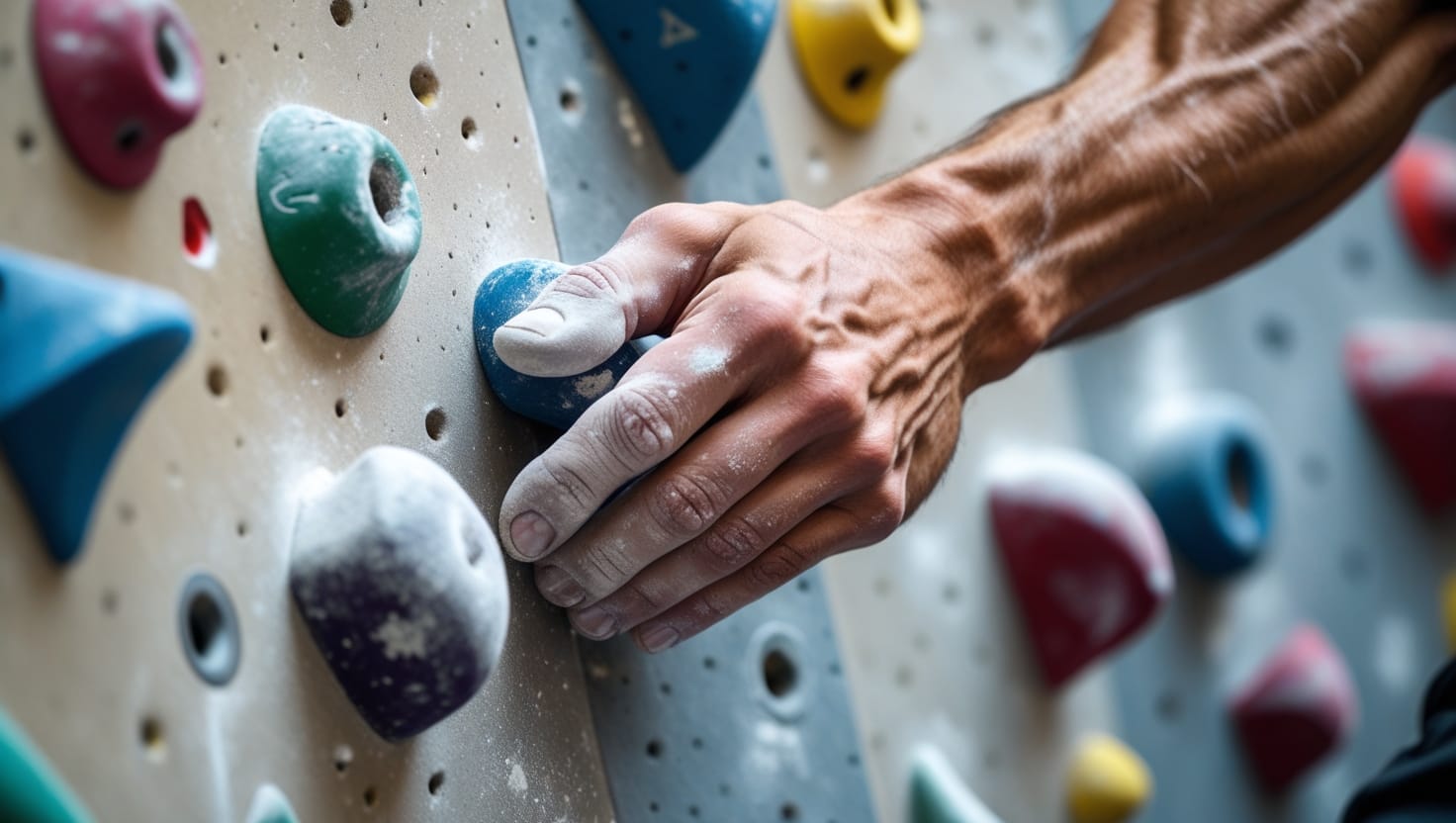
Bouldering is a fun way to climb without ropes, and it’s getting more popular than ever! With over 600 climbing gyms in the US alone, more people are discovering this exciting sport. But wait, you need good equipment! First, you’ll need climbing shoes. They help you grip the rocks better with their special downturned shape that lets you pull with your toes on tricky overhangs.
Then, there’s the crash pad. This is like a big cushion that protects you when you fall. You might also want a chalk bag. Chalk helps keep your hands dry. The right bouldering gear can make a huge difference in your experience. Climbing shoes fit snugly and provide the grip you need to scale those challenging holds. A crash pad, with its layers of closed-cell foam for better impact absorption, is critical for safety. It cushions your fall and gives you peace of mind while you climb.
A chalk bag, often worn around the waist, holds chalk that keeps your hands dry and helps you grip the rock better. So when you’re setting off to climb, don’t forget these essentials. They’re not just accessories; they’re lifesavers! (1)
Crash Pads for Bouldering
That’s a lot of crash pads. These thick mats are a must-have for boulderers, softening falls and reducing injuries. They come in different sizes and styles—some compact, some oversized, some with backpack straps for easy hauling. A solid crash pad should check a few boxes:
- Thickness: At least 4 inches, with some high-end models reaching 5–6 inches for extra cushioning.
- Foam Composition: Open-cell foam absorbs shock, while closed-cell foam adds firmness and longevity. Most pads use a mix of both.
- Durability: A rugged outer shell prevents tears from sharp rocks and rough landings.
Newer features make them even better. Some pads have carpeted tops for cleaning climbing shoes. Others have adjustable landing zones to cover uneven terrain. Lightweight models make long approaches easier.
When choosing a pad, think about portability, protection, and how well it holds up over time. A good one can make the difference between walking away and limping home.
Best Shoes for Bouldering
Credits : Connective Climbing
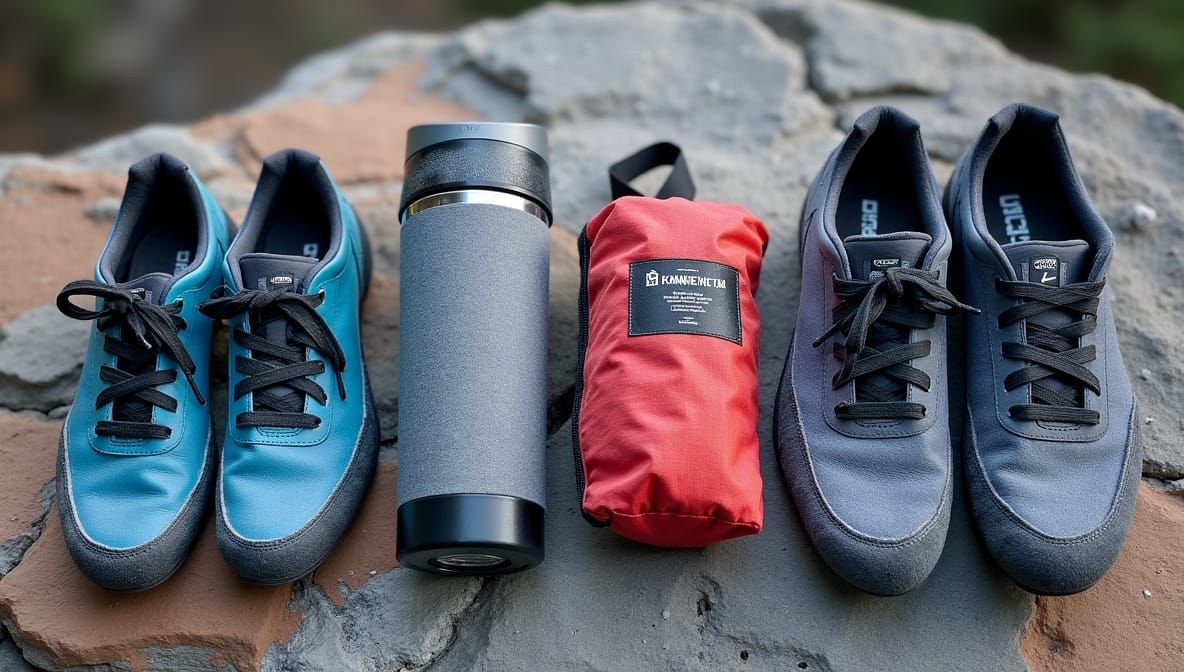
Climbing shoes are a big deal. They’re the most important gear you’ll buy, and they can make or break your climb. A good pair fits snug but not too tight, with a rubber sole for grip. Try on several pairs—some are flexible, others stiff. Popular brands like La Sportiva and Five Ten offer options for every climber.
Modern shoes have changed the game. Aggressive, downturned designs let climbers pull with their toes on steep routes. Beginners might prefer neutral shoes—they’re comfy and forgiving. Advanced climbers often go for downturned shoes, which offer precision on tiny holds.
Here’s what to look for:
- Snug fit, no painful tightness
- Rubber soles for grip
- Shape that matches your skill level
Don’t rush the process. Try on lots of pairs, find what works for your foot shape and climbing style. The right shoe can give you that extra edge when you need it most.
Chalk Bags

Chalk bags are often overlooked, but they’re a crucial part of your climbing kit. You might think they’re just for show, but they help you stay dry and secure on the wall. Here’s something cool – climbing chalk has come a long way from the basic magnesium carbonate it used to be.
Now you can choose from all sorts of options, including liquid chalk and special formulas with drying agents. There’s even tinted chalk that helps minimize visual impact on outdoor rocks – pretty thoughtful for preserving our climbing spots, right?
When choosing a chalk bag, consider the size and design. Some bags are big enough to hold a lot of chalk, while others are smaller and more compact. A good rule of thumb is to pick a bag that fits comfortably on your waist and is easy to access. Most chalk bags are designed to attach easily to your waist, so you can grab some chalk quickly during your climb.
They keep the mess down and are super effective at keeping your hands dry. With all these options available, you can really dial in your perfect chalk setup!
Beginner Bouldering Gear
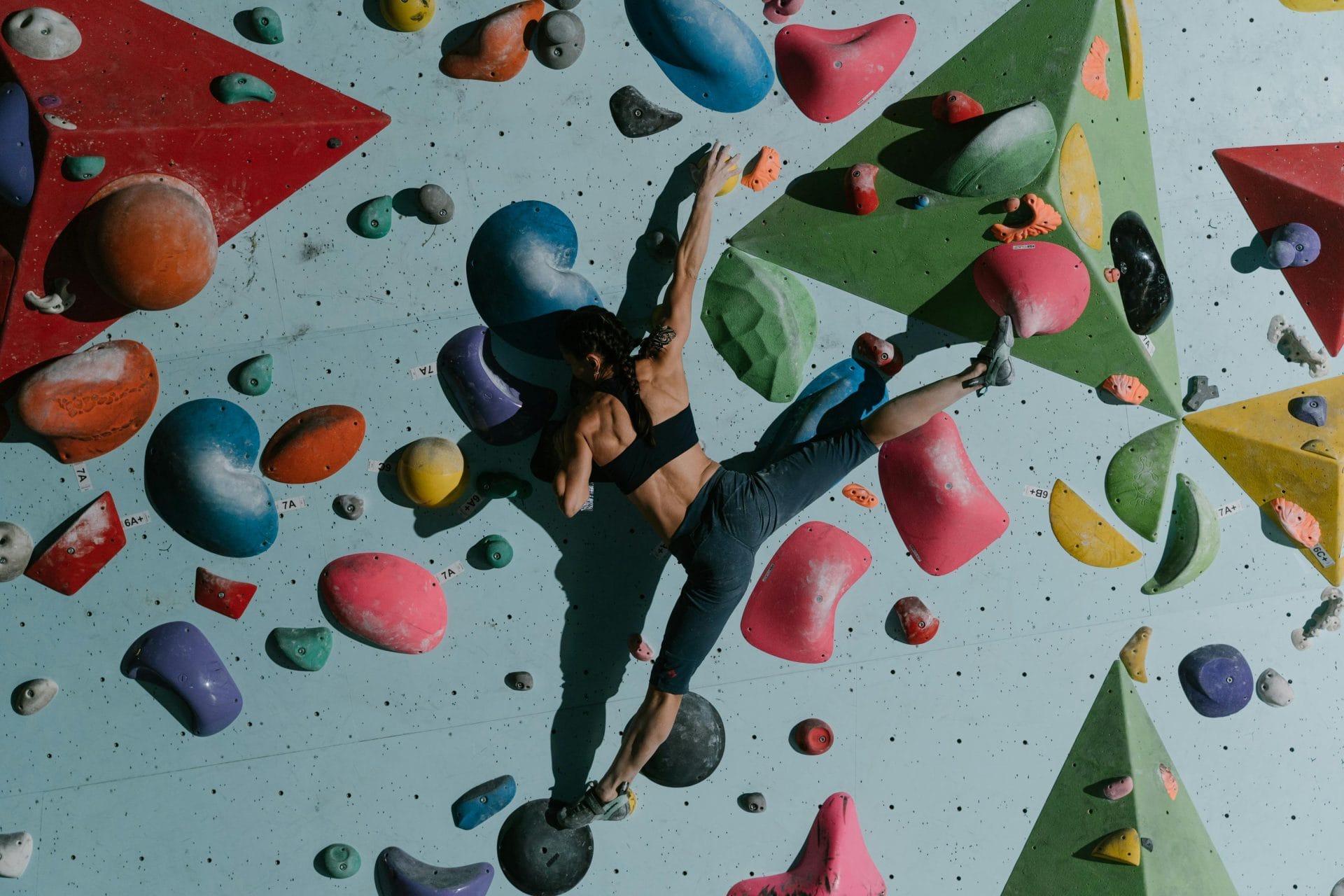
Bouldering is simple. That’s the appeal. No ropes, no harness—just you, the rock, and a few essentials. First, climbing shoes. They need to fit snug, with sticky rubber soles for grip. A crash pad (4–6 inches thick) cushions falls. Chalk keeps hands dry. That’s the whole kit. Beginners don’t need more.
Climbing gyms make it easy to start. Most rent shoes and chalk bags, so you can test before buying. Staff help, too, pointing out shoes that match foot shape or climbing style. Gyms are everywhere now—over 600 in the U.S.—with walls built just for bouldering. No partner needed. Just a pad and determination.
Bouldering routes (called “problems”) are puzzles. Every move takes balance, technique, and the right gear. Shoes should be snug—no sliding. Chalk prevents sweaty slips. The crash pad? It’s your safety net. Start small, build confidence, and upgrade gear as you go. The rocks aren’t going anywhere. (2)
Climbing Shoe Guide
Climbing shoes have changed the sport completely. That aggressive downturned shape? It’s not just for looks—it actually lets climbers pull with their toes on overhangs. Moves that once seemed impossible are now standard, thanks to modern shoe design.
There are three main types:
- Neutral: Flat sole, comfy fit. Good for beginners and long climbs.
- Moderate: Slight downturn, more control. Works for all-around climbing.
- Aggressive: Sharp downturn, tight fit. Best for steep routes.
Fit matters. Shoes should be snug but not painful. Toes should touch the end but not be crammed. Some prefer Velcro for quick adjustments, others like laces for a precise fit.
The climbing gear market hit $2.41 billion in 2023, so there’s no shortage of options. Unsure? Ask at a climbing shop. Staff can explain the differences (materials, rubber stiffness, toe box shape). The right pair makes all the difference.
Crash Pad Comparison

Not all crash pads are created equal, and modern technology has made them better than ever. Today’s crash pads use specialized closed-cell foam layers for amazing impact absorption, and they come with clever features like hinged designs for easy transport and adjustable landing zones.
Some even have carpeted tops for cleaning your shoes – how cool is that? When comparing pads, think about the landing zones where you’ll be climbing. A larger pad can cover more area, which is great for unpredictable falls. Some pads can connect with others, creating a bigger safety net. Here’s something exciting – many companies are now focusing on sustainability, using recycled materials in their crash pads.
So you can protect yourself and the environment at the same time! If you find yourself climbing in areas with rocky terrain, a thicker pad might be your best bet. The climbing market is booming right now, which means there are tons of options out there. Gear reviews online can offer insights and experiences from other climbers.
Use that information wisely, and choose a pad that fits your climbing adventures best – your future self will thank you when you’re pushing your limits on the wall!
Indoor vs Outdoor Gear
Indoor and outdoor bouldering feel like different sports. Gyms have smooth walls, bolted holds, and padded floors. Outside, rock is rough and unpredictable. A crash pad is essential. Brushes (boar’s hair for soft rock, nylon for tough grime) keep holds clean. Some climbers even carry mini vacuums.
Chalk varies, too. Basic magnesium carbonate works, but liquid chalk lasts longer. Tinted chalk blends into rock, leaving less trace. Drying agents help in humid conditions. Outdoors, rock type matters—granite, sandstone, limestone all feel different underfoot. Weather plays a role, too. Wet rock? Slippery. Dry? Better grip.
Indoors, routes are set by staff, often color-coded by difficulty. Outdoors, nature decides. Each climb is unique. The right gear makes all the difference. In the gym, you can repeat problems to refine technique. Outside, no two climbs are exactly alike.
Gear Tips for Beginners
Bouldering is booming, and beginners are jumping in fast. Shoes come first—always try them on. They should be snug, almost uncomfortably so, but not painful. Crash pads matter next. Modern designs fold easily, some with backpack straps. Chalk bags are essential, too. Options include liquid, block, or powder (some with drying agents for extra grip).
Climbing gyms make starting easy. Over 600 exist in the U.S. Staff help with gear, and many rent shoes and chalk. Classes teach basics like footwork and balance.
The climbing community is key. Problems (routes) are easier with friends. Climbers share tips, lend gear, and cheer each other on. Some even build home walls or DIY training tools. A good group makes every climb better.
Bouldering isn’t just strength—it’s problem-solving. Shoes with sticky rubber grip holds. Chalk keeps hands dry. Crash pads? They’re safety nets, especially outdoors. Every piece of gear serves a purpose. The right setup makes the difference between sending a problem and slipping off.
Bouldering Essentials
The main bouldering essentials are climbing shoes, a crash pad, and a chalk bag – and these have come a long way with modern innovation! Today’s crash pads use specialized closed-cell foam layers that absorb impact better than ever, and many even have carpeted tops to help keep your climbing shoes clean. You can add more gear as you get better and explore what works for you.
Check out some climbing communities too. They often have great advice and can help you find the best equipment. Every climber has their own preferences, but starting with these essentials will set you up for success. Plus, many climbers love modifying their gear and creating their own training tools – it’s part of the sport’s awesome DIY culture!
The joy of bouldering is not just about having the right gear, but also the friendships you build along the way. While you climb, you’ll meet others who share your passion. They can help you learn about gear, share stories of their climbing experiences, and maybe even show you their creative gear modifications. So, whether you’re at a gym or outside, don’t forget to enjoy your time climbing. The journey is just as important as the destination.
FAQ
What equipment do I need for indoor bouldering?
For indoor bouldering, you’ll need bouldering shoes, climbing chalk (or liquid chalk), and a chalk bag or chalk bucket. Many climbers also bring a bouldering brush to clean climbing holds for better grip. If you’re training seriously, a hangboard, resistance bands, or a pull-up bar can help improve finger strength and upper body strength.
What’s the difference between bouldering shoes and climbing shoes?
Bouldering shoes are a type of climbing shoes designed for short, powerful climbs. They usually have a downturned shape for precise footwork, making them ideal for heel hooks and toe hooks. General climbing shoes can be flatter and more comfortable for longer routes but may not offer the same aggressive grip for bouldering techniques.
Do I need crash pads for outdoor bouldering?
Yes, crash pads (also called bouldering mats) are essential for outdoor bouldering to protect against falls. Using proper spotting techniques alongside crash pads reduces the risk of ankle injuries, wrist injuries, and other bouldering injuries. Bringing multiple pads can help cover gaps between rocks and ensure a safe landing.
How do I take care of my climbing gear?
Climbing equipment maintenance is key to safety and longevity. Keep climbing shoes dry and clean, store crash pads properly, and regularly wash chalk bags. If your shoes wear out, consider shoe resoling instead of replacing them. Bouldering brushes help keep holds clean, and a bouldering pack can keep gear organized for easy transport.
What should I bring to a bouldering gym?
For a bouldering gym session, pack bouldering shoes, climbing chalk, a chalk bag or bucket, and a bouldering brush for holds. If you’re working on strength training, consider bringing climbing tape or finger tape for protection, resistance bands for warm-ups, and a training board session plan to improve finger strength. Comfortable bouldering apparel, like climbing pants, climbing shorts, or climbing tops, allows better movement.
What are the best bouldering techniques for beginners?
Beginners should focus on basic bouldering techniques like proper foot placement, weight distribution, and using climbing holds efficiently. Learning how to perform heel hooks and toe hooks will help with balance and control. Practicing spotting techniques with a partner ensures safer falls, especially when climbing at a bouldering gym or tackling outdoor bouldering problems.
How do I train for bouldering at home?
A home bouldering wall or a portable climbing wall can help replicate climbing movement. For finger strength and upper body strength, use a campus board, hangboard, or pull-up bar. Core strength for climbing is also important, so incorporating climbing exercises with resistance bands can help build stability. Climbing-specific training boards offer structured workouts for advanced climbers.
How do climbing grades work in bouldering?
Bouldering problems are graded using different systems. The V-scale is popular in the U.S., starting at V0 and increasing in difficulty. The Font scale (used in Europe) starts at 3 and goes up. Climbing grades are subjective, depending on factors like style, conditions, and individual strengths. Climbing community discussions often debate grading accuracy.
What common bouldering injuries should I watch out for?
Bouldering injuries include finger injuries, ankle injuries, wrist injuries, elbow injuries, and shoulder injuries. Finger tape or climbing tape can help protect fingers from strain. Proper warm-ups, stretching, and using climbing gloves in certain conditions can reduce risks. Having a first aid kit for climbing is essential for treating minor cuts and bruises.
What should I wear for bouldering?
Bouldering apparel should be flexible and durable. Climbing pants and climbing shorts offer mobility, while climbing tops should allow unrestricted arm movement. Some climbers prefer climbing gloves for extra hand protection. When bouldering outdoors, climbing-specific sunscreen protects against sun exposure, and proper footwear is important for approaching bouldering areas.
How do I prepare for bouldering competitions?
Bouldering competitions test strength, technique, and problem-solving. Training on a campus board, hangboard, or resistance bands can improve climbing training. Knowing climbing grades and how bouldering problems are set helps with strategy. Competitions are also about mental endurance, so learning to adapt to different artificial climbing walls and engaging with the climbing community can be beneficial.
Are carabiners and climbing ropes used in bouldering?
Bouldering is typically a rope-free sport, but climbing ropes, carabiners, and a climbing harness may be used for training on artificial climbing walls or specific drills. Some climbers use belay devices and climbing knots when transitioning from bouldering to roped climbing. These items are more relevant for sport climbing rather than standard bouldering sessions.
What bouldering accessories are worth having?
Useful bouldering accessories include a chalk bag, chalk bucket, bouldering brush, and tape for fingers. If you’re serious about training, a climbing-specific training board or resistance bands can help build strength. Outdoor bouldering may require a bouldering pack to carry gear, while skin care for climbers (like callus care and climbing-specific sunscreen) can keep hands in good shape for frequent climbing.
Conclusion
Gear makes the climb. Shoes grip rock (tight fit, sticky rubber), chalk keeps hands dry, and a crash pad softens the fall. A brush clears holds—sometimes the difference between slipping and sticking. Beginners might get by with just shoes and chalk, but sooner or later, they’ll want a pad. Even a small one (36”x48”) changes the game.
Some climbers haul multiple, stacking them like puzzle pieces under high cruxes. Others just drag one from problem to problem, brushing holds, shaking out, trying again. The right setup doesn’t just help—it changes how you climb. Pick your gear. The rock’s waiting.
References
- https://www.psychi.co.uk/blogs/climbing/best-bouldering-equipment-for-beginners
- https://www.climbfit.com.au/rock-climbing-gear-for-beginners-2021-guide/