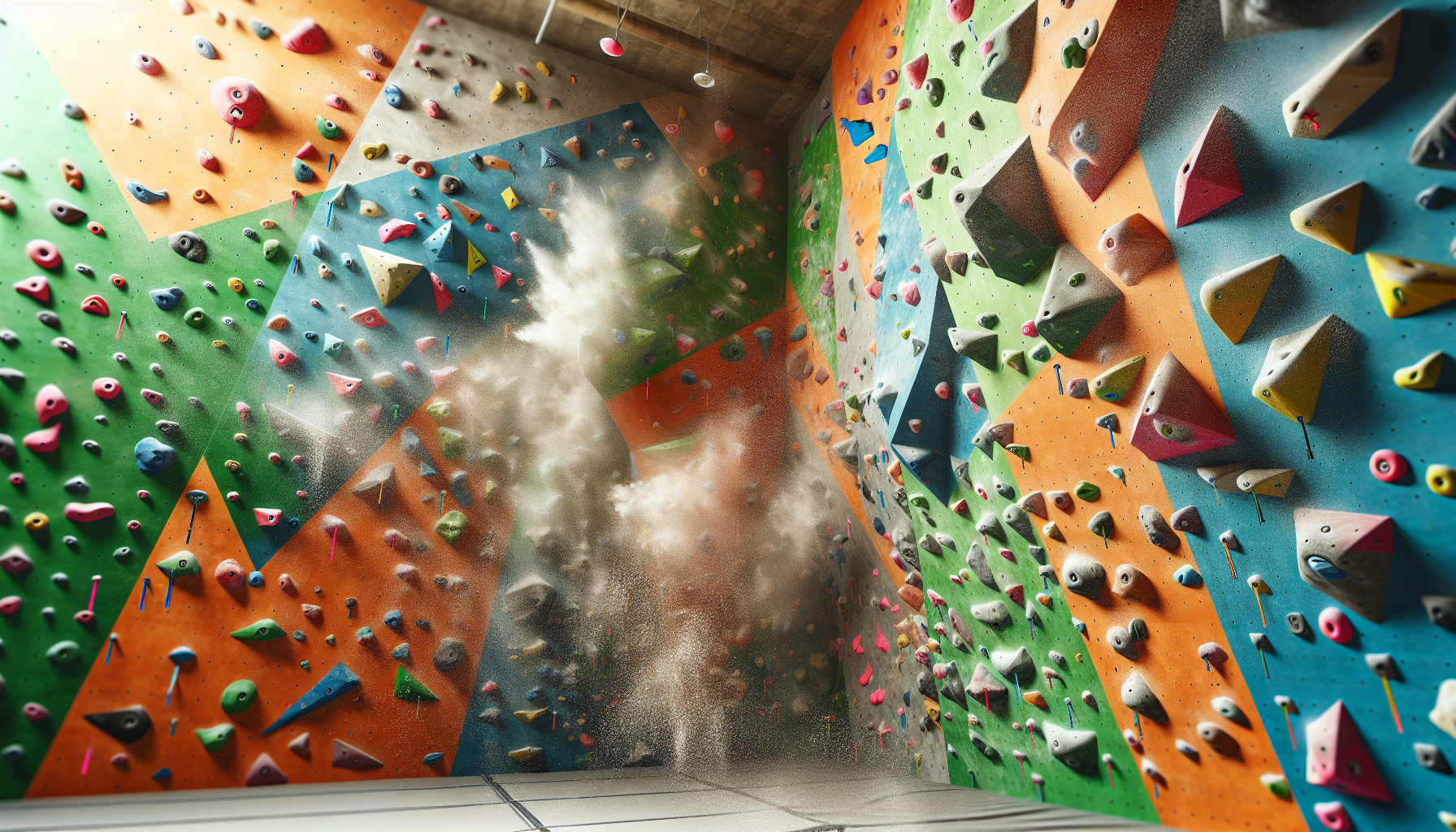
Engaging in a thrilling physical activity can significantly impact overall fitness levels. As participants tackle various challenges in a climbing gym, they are compelled to activate their core muscles, which are vital for maintaining stability and balance.
Developing a robust core not only enhances the performance of climbers but also plays a key role in injury prevention.
Within a climbing gym, carefully designed routes engage these muscle groups effectively through different movements.
Techniques like traversing and dynamic actions require stability, activating multiple muscles simultaneously. This focus on core development is one reason bouldering has become a favored pursuit among athletes seeking peak performance and resilience against injuries.
Employing the right climbing holds during practice can further amplify this targeted training approach.
Understanding Climbing Holds
The world of climbing involves a fascinating array of grips that significantly influence a climber’s approach to each ascent. These holds determine how individuals utilize their body mechanics on various routes, such as vertical routes, and influence crucial techniques for overcoming obstacles.
For example, the small surface area of crimps demands considerable finger strength, requiring precise engagement to ensure effective use.
Conversely, slopers present rounded surfaces that test a climber’s balance and body tension in pursuit of upward movement.
Jug holds, with their sizable grips, serve as perfect resting points during intense climbs on vertical routes. Pinches target different muscle groups, necessitating specialized grips for efficient climbing.
A solid grasp of these variations proves vital for mastering effective movements and strategies during bouldering challenges.
Volumes introduce a new dimension to climbing, reshaping the dynamics of the experience. They can promote dynamic movement, urging climbers to employ leaps or strategic foot placements.
By exploring the diverse types of holds, climbers can enhance their techniques and adaptability, enabling them to tackle more intricate problems on the wall.
Recognizing how these shapes influence movement is key to unlocking better performance and achieving climbing goals.

Developing Finger Strength for Bouldering
Climbing successfully often hinges on one’s ability to grasp various holds effectively. Developing strength in the fingers is crucial for navigating grips like crimps and slopers, enhancing both performance and confidence on difficult routes.
A robust grip allows climbers to tackle a range of holds, from jugs to compression grips, while also improving their overall technique.
Building this strength contributes to greater endurance during climbs, reducing fatigue as one ascends.
Incorporating focused exercises into your training routine is vital for cultivating this essential strength. Key drills, such as hang board training and specific grip workouts, are designed to support the finger muscles and ligaments, helping to prevent injury.
Regular practice in these areas will lead to notable improvements in your bouldering abilities.
| Training Focus | Benefits |
|---|---|
| Finger Strength Development | Enhances ability to grip various holds |
| Hang Board Training | Supports finger muscles and ligaments |
| Improved Endurance | Reduces fatigue during climbs |
| Injury Prevention | Strengthens muscles to avoid injuries |
The Role of Crash Pads in Safety
For those involved in climbing, achieving optimal safety while navigating challenging routes is essential. Utilizing protective gear like specialized cushioning tools can significantly enhance safety during falls.
These pads provide a vital cushioning effect, effectively minimizing the risk of serious injuries that might occur due to unforgiving terrain features.
When selecting a pad, it’s crucial to prioritize high-quality materials that offer excellent impact absorption features.
Consideration of the type of environment you will encounter—such as varying terrain features—will inform your choice. The size and thickness of the padding can directly influence its effectiveness in situations where spotting may be necessary.
Regular maintenance checks are equally important to ensure that the equipment remains reliable, ensuring peace of mind during your climbing adventures.
Mastering Beta for Problem Solving
A climber’s journey often relies on the intricate dance of technique and strategy. Acquiring knowledge about climbing routes and techniques is pivotal for enhancing movement efficiency and overcoming challenges.
Effective problem-solving in this sport hinges on recognizing key insights related to holds, body positioning, and fluid movements.
When climbers engage in sharing their strategies, they cultivate a vibrant community that thrives on collaboration.
This gym culture fosters valuable learning experiences that enhance each participant’s ability to tackle demanding routes. By exchanging techniques, climbers can work together to elevate their skills and push beyond their limits.
In the realm of competition climbing, sharing insights becomes increasingly beneficial. Observing different approaches allows individuals to gain various perspectives, potentially unlocking new methods to improve personal performance.
Through this collaborative spirit, climbers can harness collective knowledge, making significant strides in their endurance training and overall success.
Climbing Techniques and Community
- Knowledge of climbing routes and techniques enhances movement efficiency.
- Sharing strategies fosters a collaborative gym culture that promotes learning.
- Observing different climbing approaches provides multiple perspectives for improvement.
- Collective knowledge exchange leads to significant advancements in endurance training and performance.
Exploring Climbing Gym Culture
In these energetic spaces, individuals find not just a place to practice but also a community that thrives on shared passion. Climbing gyms are ideal for athletes to hone their footwork and technique while naturally forming friendships and support networks.
The atmosphere encourages social interactions, which become essential for creating a welcoming environment where everyone feels included.
Many establishments organize competitions that unite climbers from varying backgrounds, reinforcing bonds and promoting camaraderie.
Training alongside peers significantly enhances learning, allowing individuals to share insights that contribute to developing upper body strength. The encouragement from fellow climbers motivates participants to challenge their limits and improve their skills.
Interacting with seasoned climbers provides mentorship opportunities, enriching the overall experience and fostering a strong sense of community within these walls.
Training for Endurance in Bouldering
A climber’s stamina plays a pivotal role in their ability to tackle extensive routes with efficiency. This stamina permits an individual to sustain exertion without experiencing overwhelming fatigue, which is vital in challenging scenarios.
Enhancing this capacity requires targeted training that addresses both aerobic and anaerobic systems, thereby providing the endurance needed for demanding ascents.
Techniques such as interval training on a traverse wall can optimize climbing efficiency while building resilience.
Continuous climbing sessions are also beneficial, allowing climbers to develop their grip strength and core stability, crucial components for performance in bouldering. Incorporating strength training into a regimen ensures that climbers bolster their overall capability.
Tracking progress regularly is essential for refining strategies and adjusting efforts to meet the climber’s evolving demands.
Climber’s Stamina
- Climbers with enhanced stamina can tackle longer routes with reduced fatigue.
- Targeted training addressing both aerobic and anaerobic systems improves endurance.
- Interval training on a traverse wall effectively builds climbing efficiency and resilience.
- Incorporating strength training enhances overall climbing capability and performance.
The Importance of Route Grading
For climbers, the ability to assess the difficulty of a trail is crucial in ensuring both safety and enjoyment during their adventures. Grading systems play a significant role in helping individuals gauge their skills and make informed choices about the routes they attempt.
By understanding these classifications, climbers can effectively choose challenges that align with their climbing style and physical capabilities, fostering a sense of community within the sport.
Various systems exist globally, such as the French and Yosemite scales, which categorize climbs based on the technical difficulties and mental focus they require.
For novices, grades serve as a roadmap for safely navigating their journey and progressing through increasingly challenging terrains. Meanwhile, seasoned climbers may look for routes that push their limits, allowing them to optimize their involvement in the climbing community.
Grasping the significance of these evaluations aids climbers in evolving their techniques, preventing injuries, and enriching their overall experiences. Being well-acquainted with different grades also facilitates social climbing, enhancing interactions and shared experiences among climbers of all abilities
Techniques for Dynamic Movement.
Understanding the principles of motion can elevate your climbing experience and performance. Mastering these skills progression techniques not only boosts bouldering efficiency but also enhances speed.
Key aspects include grasping momentum, utilizing your center of gravity, and executing precise footwork.
Each of these elements contributes to achieving smoother, more fluid motions on the wall.
Timing plays a vital role; knowing when to commit during climbs is essential for optimum reach.
Proper body positioning is crucial for maintaining balance and control while on the rock. Engaging in climbing classes and training camps allows climbers to integrate dynamic moves into their regimen, reinforcing these invaluable concepts while building strength and agility.