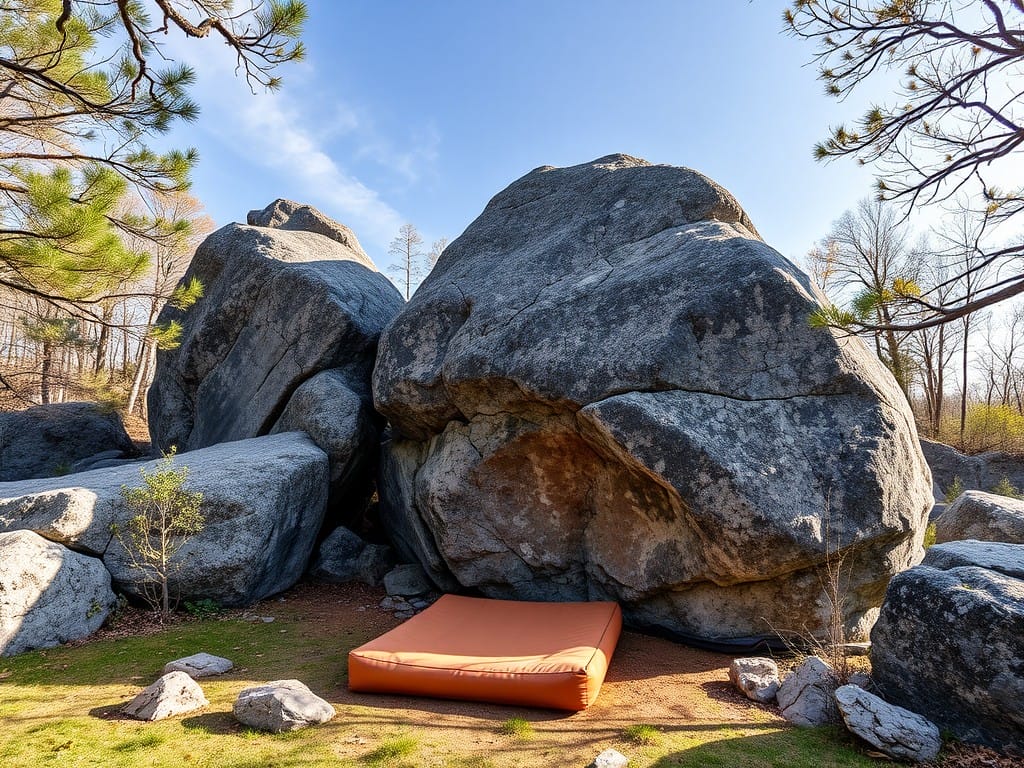
Explore the numerous health benefits of bouldering, from physical fitness to mental well-being and social connections.
Bouldering is more than just an exhilarating sport; it brings a variety of health benefits that can enrich one’s life in numerous ways. As climbers navigate small rock formations or artificial walls, they not only improve their physical fitness but also nurture their mental well-being. It’s common for climbers to form strong social connections as they tackle challenges together, sharing tips and encouragement. This community aspect adds another layer to the experience, making each climb even more enjoyable. (1)
Key Takeaway
- Bouldering provides a full-body workout that builds strength and endurance.
- It sharpens problem-solving skills and alleviates stress.
- The sport fosters community engagement and is accessible to many.
Physical Fitness
Bouldering is more than just a sport it’s a full-body workout that builds strength, improves cardiovascular health, and develops lean muscle. Its dynamic nature requires coordination between multiple muscle groups, making it a balanced and engaging form of exercise.
- Full-Body Workout:
- Arms and shoulders: Lift and pull during climbs.
- Core: Stabilizes the body throughout movements.
- Legs: Provide upward propulsion.
- Improves flexibility as climbers stretch to reach holds.
- Helps develop functional strength for daily activities, like lifting or carrying.
Bouldering also supports cardiovascular health, offering benefits similar to high-intensity interval training (HIIT). Climbers perform bursts of energy-intensive movements, elevating their heart rates and enhancing endurance.
- Cardiovascular Benefits:
- Improves oxygen circulation and lung capacity.
- May lower resting heart rates over time.
- Provides a fun, effective alternative to traditional cardio, like running or cycling.
As a bonus, bouldering promotes muscle development by targeting various parts of the body.
- Muscle Development:
- Grip strength: Improved by holding onto small edges and crimps.
- Upper body: Pulling movements work biceps and shoulders.
- Lower body: Quadriceps and calves engage during dynamic movements.
- Results in a lean, toned, and athletic physique.
Mental Benefits
Source : Active Sussex
Each bouldering route challenges climbers to analyze the best sequence of moves to reach the top. It involves evaluating hold positions, body angles, and momentum, fostering critical thinking under pressure. This repetitive strategizing enhances cognitive flexibility and decision-making skills. Climbers often refine their tactics with each attempt, gaining insights into efficient movement.
The immersive nature of bouldering shifts attention from daily worries to the immediate challenge at hand. Physical exertion releases endorphins, which naturally elevate mood and reduce stress. The repetitive focus on movements and breathing creates a meditative effect, helping climbers feel calm and grounded. Many also find the supportive atmosphere of climbing gyms to be an uplifting and stress-relieving social experience.(2)
Social Interaction
Bouldering fosters a strong sense of community among climbers. Whether tackling routes solo or sharing the experience with friends, the social aspect encourages support and the exchange of helpful tips. Climbers often bond over their challenges and victories, creating friendships that extend beyond the walls. The camaraderie helps newcomers feel welcomed and included.
Climbing alongside others boosts motivation. Participants inspire each other to take on tougher routes they might not attempt alone. Watching friends tackle challenges provides valuable insights, helping everyone improve their climbing techniques. The shared effort builds a sense of accomplishment within the group.
Accessibility and Convenience
One of the great things about bouldering is how little gear is necessary. Climbers typically just need a pair of climbing shoes and some chalk. This simplicity makes it accessible for anyone who wants to give it a try without breaking the bank. Unlike other climbing disciplines, there’s no need for ropes, harnesses, or other specialized gear.
Bouldering can be practiced in a variety of settings, from bustling indoor gyms to serene outdoor bouldering sites. This flexibility allows climbers to choose their preferred environment, enhancing the overall experience. Indoor gyms offer structured routes and controlled conditions, perfect for training and safety. Outdoor bouldering provides a connection to nature and often includes scenic views.
Improved Balance and Coordination

Bouldering significantly improves balance and body awareness. As climbers maneuver around various holds, they naturally develop better balance. This enhanced coordination isn’t just beneficial for climbing; it also translates well into other physical activities, making it a versatile skill to master. Each movement challenges the body to maintain stability on tricky holds. Over time, climbers gain better posture and agility in daily life.
Conclusion
In conclusion, bouldering is not only an exhilarating sport but also a holistic workout that enhances physical fitness, mental acuity, social connections, and overall well-being. Its accessibility makes it an excellent choice for individuals seeking both fitness challenges and community engagement. Whether you’re looking to boost your strength, relieve stress, or connect with others, bouldering offers a rewarding experience that can enrich your life in many ways.
Frequently Asked Question
How does bouldering improve physical fitness?
Bouldering is a full-body workout. It builds strength, flexibility, and endurance as you climb. You use multiple muscle groups, from your arms and back to your core and legs, while improving balance and coordination. Because it’s high-intensity, it can also boost cardiovascular health. Over time, bouldering helps you gain functional fitness, which means getting stronger in ways that benefit everyday movement.
Can bouldering help with mental health?
Bouldering challenges your problem-solving skills and focus, which can help reduce stress. The sense of achievement when completing a climb can improve self-confidence. Plus, the social aspect of bouldering can enhance feelings of connection and belonging.
Is bouldering a good social activity?
Yes, bouldering has a strong community vibe. Climbing gyms and outdoor areas are places where people share tips, cheer each other on, and build friendships. Whether you’re climbing with a group or meeting others at the wall, it’s a great way to connect with like-minded people and feel supported.
Does bouldering improve problem-solving skills?
It does. Each climb is like a puzzle that requires you to think critically and plan your moves. You’ll often need to analyze your body position, the best sequence of holds, and how to use your strength efficiently. This mental engagement translates into better problem-solving skills off the wall, too.
Can bouldering improve self-confidence?
Yes, bouldering boosts confidence by pushing you to face challenges and overcome them. Finishing a tricky climb or making progress on one that felt impossible builds a strong sense of accomplishment. These moments of success can spill over into other areas of your life, making you feel more capable overall.
Is bouldering suitable for beginners?
Definitely! Bouldering is beginner-friendly, with routes (called problems) of varying difficulty levels. Most gyms have color-coded routes, so you can start with the easiest ones and work your way up. With time and practice, you’ll develop strength, technique, and confidence in your climbing abilities.
Does bouldering help with stress relief?
Yes, bouldering can be a fantastic stress reliever. The focus required to climb effectively shifts your mind away from daily worries. It’s also a physical outlet, releasing tension through movement. Many climbers describe feeling calm and accomplished after a session on the wall.
Can bouldering make you more resilient?
It can. Bouldering involves trial and error, so you’ll fall and retry routes often. This teaches persistence and how to adapt to challenges. Each attempt helps you learn and improve, fostering a mindset of resilience that can carry over into other parts of your life.
References
- https://www.climbingshoereview.com/benefits-of-bouldering/
- https://brooklynboulders.com/blogs/news/health-benefits-of-bouldering