Learn about common injuries and prevention in bouldering. Stay safe while enjoying your climbing adventures!
Bouldering, it’s a blast scaling those walls, short as they might be. But all that fun, it comes with risks; common injuries include finger tweaks (think pulley injuries, not fun) and ankle sprains from falls.
Overuse, that’s another big one, leading to elbow pain, sometimes. Warming up your muscles, it’s key, before you even touch the wall; dynamic stretching helps. And cool downs, after, those are important too.
Learn how to fall properly, maybe practice with a crash pad. Listen to your body, don’t push it too hard. Want to climb safer? Keep reading; there’s more to know.
Key Takeaway
- Bouldering injuries often affect fingers, shoulders, and ankles.
- Proper warm-up and technique can prevent many injuries.
- Always listen to your body and rest when needed.
Common Injuries in Bouldering
Upper Extremity Injuries
The upper body, that’s where bouldering really hits hard. All that pulling and grabbing, it can lead to problems. Seems like finger injuries, they’re super common among climbers.
- Pulley Tears: These happen when those tiny ligaments in your fingers get strained (or even snap!).
- Tendonitis: That’s inflammation of the tendons, causing pain and stiffness.
- Trigger Finger: A finger gets stuck in a bent position, then pops straight. Not fun. [1]
Shoulder issues, those can be pretty serious, too. Rotator cuff tears, where muscles around the shoulder joint tear. Shoulder subluxation, where the shoulder partially dislocates.
Dynamic moves, they put a lot of stress on the shoulders, more stress than static. And then there’s elbow pain, climber’s elbow, some call it. Hurts on the inside or outside of the elbow, often from gripping too hard.
Wrist injuries aren’t uncommon either, carpal tunnel, wrist compression, those sorts of things. Proper wrist alignment is what matters. Maybe that’s why you should always get good instruction.
What causes it? It’s usually poor technique, not warming up enough. Don’t climb beyond your ability, or you might get hurt.
Lower Extremity Injuries
Now, don’t think the legs are off the hook because they aren’t. The lower body takes a beating, too. Ankle injuries, those are super common when bouldering.
- Ankle sprains, where ligaments get stretched or torn
- Fractures, bone breaks
- Improper landings, often to blame (rolling the foot, missing the pad)
Knee injuries can happen too. Strains in the anterior cruciate ligament (ACL), it’s a scary thought. It’s caused by landing wrong, putting too much stress on the knee, causing pain.
Foot injuries, those can be chronic, those can be so annoying. Cracked feet, abrasions, wearing tight climbing shoes can cause them. Back and neck, they’re not immune either.
Flexion or extension injuries, twisting wrong, misaligning the body, back pain is the result. It’s wild to contort the body in that way.
So, what can be done? Landing techniques matter, especially on overhangs; learn to fall, learn to roll. Good footwear, it makes a difference. If your feet hurt, get new shoes.
Other Injuries
It’s not just arms and legs, either. Bouldering, it can mess with other parts of you, too. Contusions and abrasions, scrapes and bruises; they’re pretty common. Falling on rough surfaces can do it, it may not be a serious thing.
Head and neck injuries, those are more worrisome. Falls can cause head trauma (more so outside, where rocks are sharp). Neck strains can happen too, dynamic movements, bad landings, it’s not worth the extra risk.
Chronic pain, that’s the real killer.
- Overtraining,
- Repetitive motions,
- It leads to pain that just doesn’t go away.
Shoulders, elbows, wrists, they’re all vulnerable. Listen to your body, that’s the key; take breaks, don’t push it. A lot of climbers, they ignore the small pains, till they get bigger. Better to be cautious now.
Injury Prevention Strategies
Credits: Lattice Injury
Proper Warm-up
Warming up, it’s not just something coaches tell you to do. A proper warm-up, it makes a big difference in avoiding injury. Seriously, don’t skip it.
Aerobic exercise, start with that. Five to ten minutes of light cardio; jogging, jumping jacks, something to get the heart pumping. The goal, it’s to raise muscle temperature. Get the blood flowing; that’s how your body preps.
Dynamic stretching, that’s next. Ten minutes of moving stretches.
- Arm circles,
- Leg swings,
- Torso twists,
- Loosening up the body is the goal.
Static stretching, that’s better for after climbing, when the muscles are already warm.
Gradual difficulty, don’t jump straight to the hard stuff. Start with easier routes, easier problems; slowly increase the difficulty, it lets your muscles adjust. You gotta prevent sudden strains; that’s the trick. Don’t be a hero; take your time. [2]
Training and Technique
- Climbing strong, it’s not just about pulling hard. To avoid injuries, you gotta focus on strengthening muscles and using good technique; it’s how you climb smarter.
- Strength training, that means working the muscles that aren’t used as much. Antagonist muscles, triceps, back, they’re important; balancing muscle usage, it reduces overuse injuries. Climbing, it works the biceps a lot, so you gotta strengthen the triceps to counter that.
- Correct technique, that’s huge. Good posture is crucial; keep your hips close to the wall. Use your feet effectively; don’t just rely on your arms. It’s hard, it takes practice, but it’s worth it.
- Mirror movement exercises, practicing climbing positions, it builds muscle memory, and it improves technique. You will be more efficient, you will be less likely to get hurt. Climb smart; it’s better than climbing hard.
Safety Measures
Safety, it always comes first, in bouldering. If you get hurt, you can’t climb. Take precautions, it’s just common sense.
- Falling techniques, learning how to fall safely, it’s the key. Practice rolling, distributing the impact, minimize the risk of injury. It feels weird at first, but it becomes second nature.
- Effective spotting, having spotters who know what they’re doing, it can make all the difference. Spotters, they need to be positioned properly, they need to be ready to catch a fall without getting hurt themselves; properly placed crash pads, they can also cushion landings, especially when bouldering outdoors.
- Awareness, paying attention to your surroundings, being aware of other climbers, it can prevent accidents, it can prevent injuries. Keep an eye out for others, watch where you’re going, it’s important in a climbing gym, it’s even more important outdoors. Don’t be a hazard; be safe.
Rest and Recovery
Rest and recovery, they’re not just for couch potatoes. They’re crucial for injury prevention, for climbers; you gotta give your body a chance to heal.
- Adequate recovery time, that means not climbing every day, especially not climbing hard every day. Allow at least 48 hours between challenging workouts, it lets muscles heal, it reduces the risk of overuse injuries.
- Listen to your body, this is very important; If you’re feeling pain, if you’re feeling fatigue, stop climbing; ignoring the signs of strain, it can lead to more serious injuries, it’s not worth it.
- Nutrition and hydration, they support recovery; Eating a balanced diet, staying hydrated, it helps muscles recover faster, it keeps your body strong. Climb hard, rest harder.
Equipment and Environment
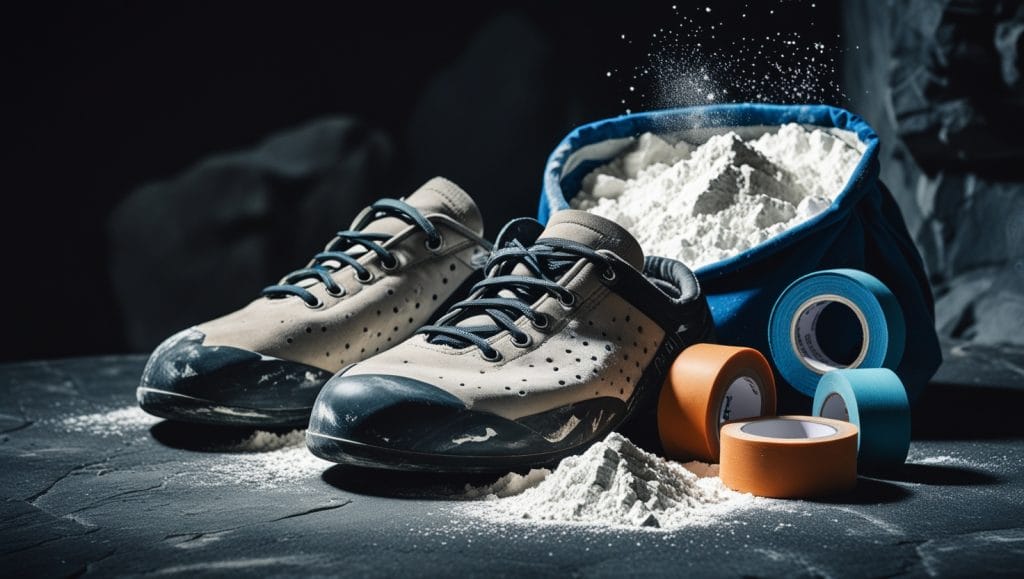
Right equipment, it can make all the difference; don’t skimp on safety. It’s another critical element in preventing injuries, another tool in the arsenal.
- Proper shoe fit, climbing shoes, they gotta fit well; if they don’t, you’re asking for foot pain, you’re asking for chronic conditions. Ill-fitting shoes, they can lead to serious foot injuries, nail problems, blisters, all sorts of things. Get shoes that fit snug, but not too tight, it’s the balance you’re looking for.
- Crash pads, using them in outdoor bouldering, it helps cushion falls. Proper placement, it can significantly reduce the risk of ankle sprains, fractures. Don’t be cheap; invest in good pads.
- Climbing gym awareness, knowing the layout, being mindful of other climbers, it can help prevent accidents, it can help prevent injuries. Watch where you’re going, watch what others are doing, it’s common courtesy.
Bouldering, it’s all about being smart, being prepared, being aware. Have fun, but be safe.
FAQ
What finger injuries are most common in bouldering and how can I prevent pulley tears?
Finger injuries, especially pulley tears, happen when too much force pulls on the tendon support structures. Climbers often experience these when grabbing small holds or doing dynamic moves.
To prevent them, warm up thoroughly, strengthen your fingers gradually, and avoid overgripping small holds. If your fingers hurt, rest until fully healed. Taping can provide some support but isn’t a cure-all. Remember to build finger strength slowly over months, not days.
How do shoulder injuries like rotator cuff tears and shoulder subluxation happen during climbing?
Shoulder injuries occur when reaching for distant holds or during dynamic moves. Rotator cuff tears and shoulder subluxation (partial dislocation) typically happen when your arm is fully extended overhead or when shoulder internal rotators are overused.
Prevent these by strengthening your shoulders with exercises targeting rotator cuff muscles. Focus on proper technique—avoid excessive “chicken wing” elbow positioning and maintain good climbing posture to reduce shoulder stress.
What causes tendonitis in different parts of the body while bouldering?
Tendonitis affects many climbers, appearing as biceps tendonitis, triceps tendonitis, or in wrists and elbows (tennis elbow or golfer’s elbow). These overuse injuries develop from repetitive movements and insufficient recovery time.
Prevent tendonitis by strengthening antagonist muscles, taking adequate rest between sessions, and avoiding explosive movements when tired. Poor warm-ups often lead to these issues, so spend at least 15-20 minutes warming up before hard climbing.
How serious are ankle sprains and fractures in bouldering?
Ankle sprains and fractures are among the most common injuries from falls in bouldering. Inversion ankle sprains happen when your foot rolls inward upon landing. Poor landing technique, falling between crash pads, or landing with locked knees significantly increases injury risk.
Always use proper spotting techniques, place crash pads strategically to avoid gaps, and learn to fall safely by bending your knees and rolling backward to distribute impact.
What wrist injuries should boulderers watch out for?
Wrist injuries like carpal tunnel syndrome and wrist compression injuries often develop gradually. Excessive wrist flexion, nerve compression in wrists, and repetitive strain from overgripping contribute to these problems.
Strengthen your wrists with exercises targeting both flexion and extension. Take breaks during long sessions, avoid climbing when wrist pain is present, and use proper technique on underclings and sidepulls to reduce twisting motions that cause joint stress.
How can I prevent back injuries and neck strains while climbing?
Back injuries and neck strains often result from improper climbing posture, core muscle strain during difficult moves, or misalignment during dynamic moves. Strengthen your core muscles, practice proper body alignment, and include stability exercises in your training routine.
Poor technique-related shoulder stress can transfer to your back and neck. Learn to engage your core when climbing overhangs and avoid excessive arching in your lower back.
What role does recovery play in preventing overuse injuries in fingers, shoulders, and wrists?
Lack of rest leads directly to overuse syndromes in fingers, shoulders, and wrists. Overtraining-related chronic pain develops when you ignore early warning signs like stiffness and mild discomfort.
Make recovery as important as training—schedule rest days, use active recovery techniques like gentle stretching, and address poor blood flow before climbing. Fatigue-related falls increase injury risk substantially, so listen to your body and end sessions before extreme exhaustion sets in.
Conclusion
Bouldering injuries, they’re a bummer, but they’re often preventable. Warm-ups, technique, awareness, those make a big difference. Finger and shoulder issues, know the signs, stay safe. Regular training, good equipment, enough rest, that’s the recipe for a long climbing life. Climbing, it’s supposed to be fun; keep it that way. Be smart; climb on.
References
- https://pmc.ncbi.nlm.nih.gov/articles/PMC10892067/
- https://www.climbing.com/skills/bouldering-injury-prevention/