Learn how to be a great spotter in bouldering. This article shares tips to keep climbers safe and happy.
Bouldering is thrilling, isn’t it? I remember my first climb—I felt my heart race as I reached for holds, the excitement bubbling inside me. But then there’s falling, and that’s where spotter etiquette comes in. Good spotters keep climbers safe. They stay alert, position themselves correctly, and aim to catch or guide the falling climber away from hazards.
Always communicate beforehand. You might say, “I’m here to catch you.” And watch your climber’s moves, be ready! Spotting isn’t just safety; it’s teamwork. If you want to be the best spotter you can be, keep reading!
Key Takeaway
- A spotter’s main job is to help guide the climber’s fall safely.
- Communication before climbing is essential for a good experience.
- Respecting others’ space and not giving unwanted advice helps everyone.
Understanding the Role of a Spotter
Spotting is an art of guiding a climber’s fall, not catching them. Here’s what you need to know:(1)
- Position yourself right: Stand behind the climber, a little to the side.
- Ready hands: Keep your hands near their back or hips to guide them if needed.
- React quickly: Steer the climber’s fall toward crash pads.
- Stay focused: Be prepared for any sudden drop.
- Calm and ready: Trust your instincts, stay calm, and don’t intervene too early.
- Proactive role: Spotting is not passive—it’s about providing control and safety.
Spotters aren’t heroes in capes, but they ensure climbers’ safety. It’s about giving climbers the freedom to push their limits while reducing injury risks. In the end, the role is small but crucial in making sure a fall doesn’t become a disaster.
Communication
Talking before a climb is a safety ritual. It’s more than just small talk—it sets the tone for the climb. Here’s what should be covered in those crucial minutes:
- The Crux: Identify the hardest part of the climb. This prepares the spotter to be extra alert.
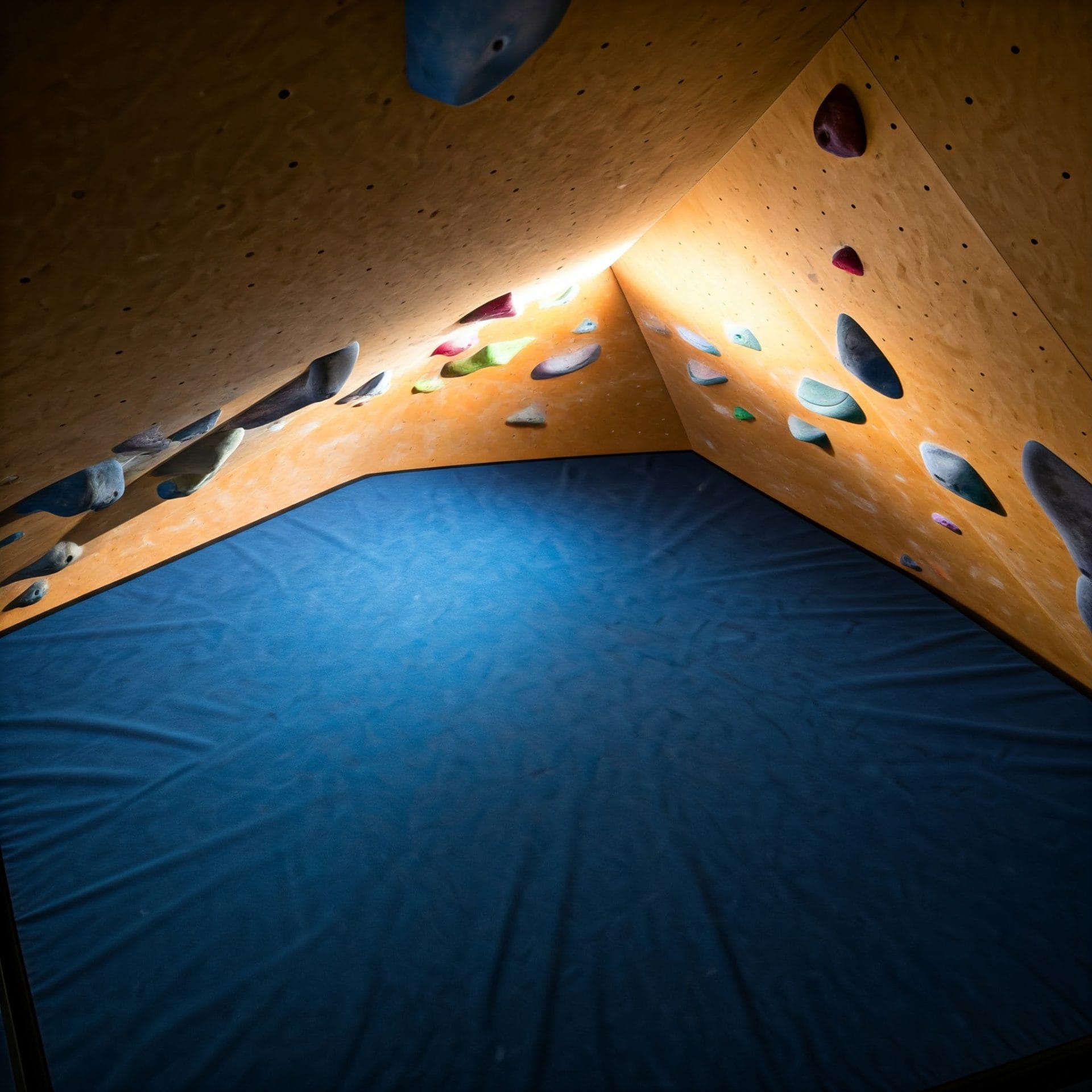
- Crash Pad Placement: Agree on where the pads should go. Even a small shift can make a difference in a fall.
- Climber’s Comfort: Ensure the climber feels at ease with the spotter’s presence and is confident.
A simple conversation can make a world of difference. One time, I was nervous about an overhang. A brief chat with my spotter made me feel grounded, and they knew exactly how to respond when I struggled.
Also, always ask, “Do you mind if I spot you?” Some climbers prefer to go solo. Respecting their space and comfort boosts safety and confidence all around.
Spotting Techniques
Credit:By Agility Boulders
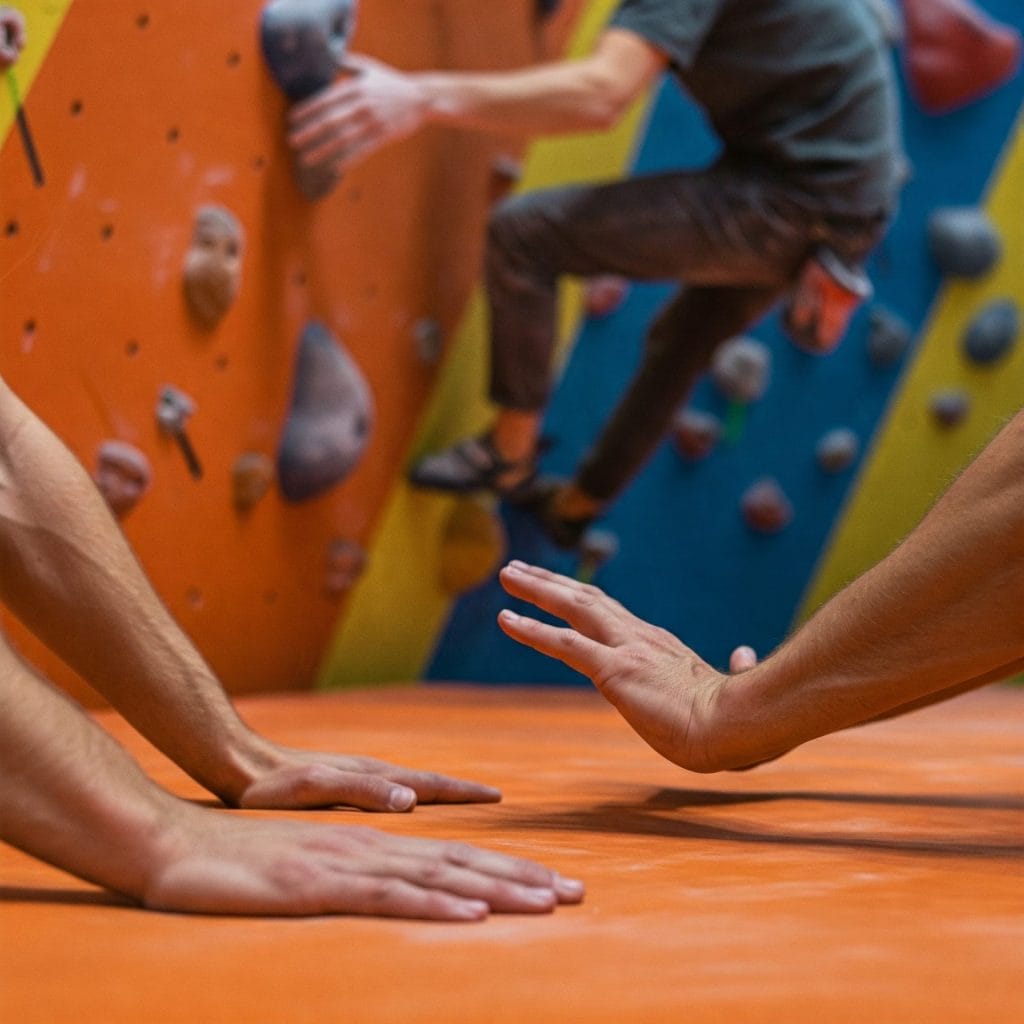
When spotting a climber, your hands are more than just limbs—they’re your safety net. Here are some key things to remember:
- Stay focused: Keep your eyes on the climber, especially when they’re high up. A moment of distraction could lead to a missed fall.
- Hands in the right place: Position your palms up under their hips or lower back, offering a soft landing pad.
- Guide, don’t catch: Avoid gripping or pushing. You’re there to cushion the fall, not to make the climb easier.
- Be aware of your surroundings: In crowded spaces, stay alert to avoid bumping into others or blocking the climber’s path.
- It takes practice: Don’t stress about being perfect at first. With time, you’ll learn to anticipate falls and react quickly.
Spotting isn’t just a physical task; it’s about being present and ready to act with precision and care.
Safety Considerations
When spotting a climber, safety is paramount. Here are key things to remember:
- Distance: Don’t stand directly under the climber. The fall zone is dangerous for both of you.
- Landing zone: Watch for where the climber may land, typically 5-10 feet from the rock.
- Crash pads: Ensure they’re properly positioned. If not, move them quickly without losing sight of the climber.
- Avoid the fall zone: Stay clear of the climber’s potential landing area. Imagine a safety circle around them.
- Stay alert: Keep an eye on your position as well as the climber’s moves.
- Unpredictable falls: Climber’s falls can be odd—be aware of where they might land, roll, or slide.
Spotting is about balance: close enough to react, but not so close that you’re in danger. Stay focused, ready, and always prioritize safety.
Etiquette Tips
Respect is essential in climbing, especially when you’re in the gym. Here are a few key points to keep in mind:
- Give space: If someone is working on a problem, let them have their turn. It’s frustrating when others take over a route you’re invested in.
- Don’t interrupt the process: Everyone needs time to solve the problem on their own. Climbing is personal, and it’s about learning through trial and error.
- Avoid unsolicited advice: It’s tempting to offer tips, but if the climber didn’t ask, hold back. They’re figuring it out in their own way, and that’s part of the learning process.
- Be supportive: Instead of offering guidance, offer encouragement. Sometimes just being present is the best way to show respect.
Climbing is about personal growth, and respecting others’ space and journey is key. Let them find their flow.(2)
Conclusion
In this article, we covered spotter etiquette. Remember to guide climbers safely, communicate clearly, and respect everyone at the climbing gym. A good spotter can really make a difference in the climbing experience. Always be aware of your climber’s movements, stay alert, and be ready to help. So, when you head out to boulder next time, keep these tips in mind. Spotting isn’t just about safety; it enhances the fun for everyone involved. Happy climbing!
FAQ
What is spotter etiquette in bouldering?
Spotter etiquette in bouldering refers to the guidelines and best practices to follow when spotting someone climbing. Good etiquette ensures safety and encourages a positive climbing environment. It’s about being aware of your climber, knowing how to help them fall safely, and communicating effectively with each other.
Why is spotting important in bouldering?
Spotting is important in bouldering because it helps reduce the risk of injury during falls. When done correctly, a spotter can guide a climber’s fall, helping them land safely on the crash pad. A good spotter can also provide support and confidence, making the climbing experience more enjoyable.
How should I position myself as a spotter?
As a spotter, you should position yourself directly below the climber and slightly off to the side. This allows you to catch them if they fall while also giving you a clear view of their movements. Make sure to stay alert and keep your hands ready to help guide their fall.
What should I say to the climber when spotting?
When spotting, it’s helpful to communicate clearly with the climber. You can encourage them with positive phrases like “You got this!” or “Nice job!” If they fall, you should guide them verbally to help them land safely, saying things like “Drop down!” or “Feet first!”
When should I not spot someone in bouldering?
You should not spot someone if you’re not confident in your spotting skills or if you feel the situation is too risky. If the climber is attempting a move that looks too dangerous or if there’s no crash pad available, it’s better to step back and let them climb without a spotter.
Can I spot more than one climber at a time?
It’s not advisable to spot more than one climber at a time. Spotting requires your full attention, and if you’re distracted by another climber, you might not be able to provide the necessary support when it’s needed. Focus on one climber to keep everyone safe.
What equipment do I need for spotting in bouldering?
For spotting, you don’t need much equipment. However, a crash pad is essential as it helps cushion falls. You may also want to wear comfortable shoes for stability and a helmet for extra protection, especially if you’re climbing outdoors where the ground might be uneven.
How can I improve my spotting skills?
You can improve your spotting skills by practicing with experienced climbers and observing how they spot each other. Take time to learn proper techniques and ask for feedback on your spotting. Watching videos and attending climbing workshops can also be valuable to sharpen your skills and knowledge. .
References
- https://www.climbing.com/skills/bouldering-skills-the-art-of-spotting/
- https://www.psychi.co.uk/blogs/climbing/etiquette-for-outdoor-bouldering?srsltid=AfmBOop2mLdqrEp4OTBbutfH0vE02nfP75upqExDXXo1_cs5hDmb19Cz