Learn how to take turns on the bouldering wall to ensure safety, respect, and fun for everyone.
Bouldering is an absolute blast! You get to climb on walls without ropes, which feels kinda like flying. But when lots of climbers are waiting to use the same wall, taking turns is key. It makes sure everyone stays safe while having fun.Here are a few tips on taking turns: Be aware of others—if someone is climbing, wait till they’re done.
Share the wall—if someone is resting, ask if you can try the route they were on. Communicate—let others know when you’re about to climb or when you’re done. Keeping these in mind will help you enjoy bouldering even more! Keep reading for more tips!(1)
Key Takeaway
- Taking turns keeps climbers safe from accidents.
- Communicating with others makes climbing more enjoyable.
- Respecting the wall and other climbers helps everyone improve.
Why Taking Turns is Important
Taking turns on the bouldering wall is essential for safety and respect. Here’s why:
- Climbing can be unpredictable: A slip can send you falling. Space between climbers ensures everyone lands safely.
- Bouldering walls are small: It’s easy to bump into others. Keeping space prevents accidents.
- Climbers move around: You’ll be sharing space with others. Maintaining distance reduces the risk of collisions.
Etiquette also plays a big role:
- Wait for your turn: Just like a playground slide, let others finish before hopping onto a route.
- Focus and concentration: Interrupting someone’s climb can throw them off balance and affect their safety.
- Respect others’ space: Avoid stepping on hands or feet. Being polite makes the gym more enjoyable for everyone.
Remember, safety and respect are key. Take your time, enjoy the climb, and keep the session running smoothly!(2)
How to Take Turns Effectively

1. Watch the Wall
Before you start climbing, take a good look at the wall.
- Scan the area for other climbers.
- Are their routes crossing with yours? If so, wait your turn.
Climbing isn’t just about strength and technique; it’s about timing and awareness.
- Think about the routes available.
- Avoid colliding with others mid-route.
If someone is already on a route, be patient.
- Give them space to finish, especially on narrow or tricky paths.
- Don’t step into their movement line.
If two climbers share the same wall, respect their space.
- Wait a minute if needed.
- Avoid getting tangled up in a collision.
Climbing etiquette goes beyond physical skills; it’s about being considerate of others.
- Be mindful of who’s around you.
- Stay patient for a smoother and safer experience.
2. Talk to Other Climbers
Sometimes, you’re unsure if it’s your turn at the climbing gym. It happens to everyone. The gym can feel like a social puzzle, with climbers on different routes. One person might be eyeing the same wall, and it can be unclear who goes next.
In those moments, it’s best to ask. A simple, “Can I climb this route?” clears everything up. It’s polite, respectful, and makes the experience better for everyone. It might feel awkward at first, especially if you’re new, but it’s a common practice. After a while, you’ll see how smooth it makes things.
Climbing is not just physical; it’s social too. Good communication is key. Asking before you climb:
- Helps avoid confusion
- Prevents accidents
- Builds community
People like to be heard. If you’re unsure, ask. It can even start a conversation. A little politeness goes a long way, making the climbing experience more enjoyable for everyone.
3. Don’t Hog the Routes
After giving a climb a shot, it’s time to step aside. Don’t hold onto the wall, hoping to nail that move. Here’s why:
- Share the wall: If you’ve had your turn, let someone else try. Just like with toys, sharing is key for everyone to get a chance.
- Respect the flow: Stepping aside keeps the gym moving and prevents long waits.
- Take breaks: If you’ve been stuck on a route, a short rest is healthy. No need to push yourself too hard.
- Give space: If someone’s waiting, offer them a chance to try. You’ll have another turn soon enough.
- Learn from others: Watching others gives you fresh perspectives and techniques.
In the end, sharing makes the gym a friendlier, more supportive place. Everyone gets a turn, and it’s more fun for all!
4. Mind the Fall Zones
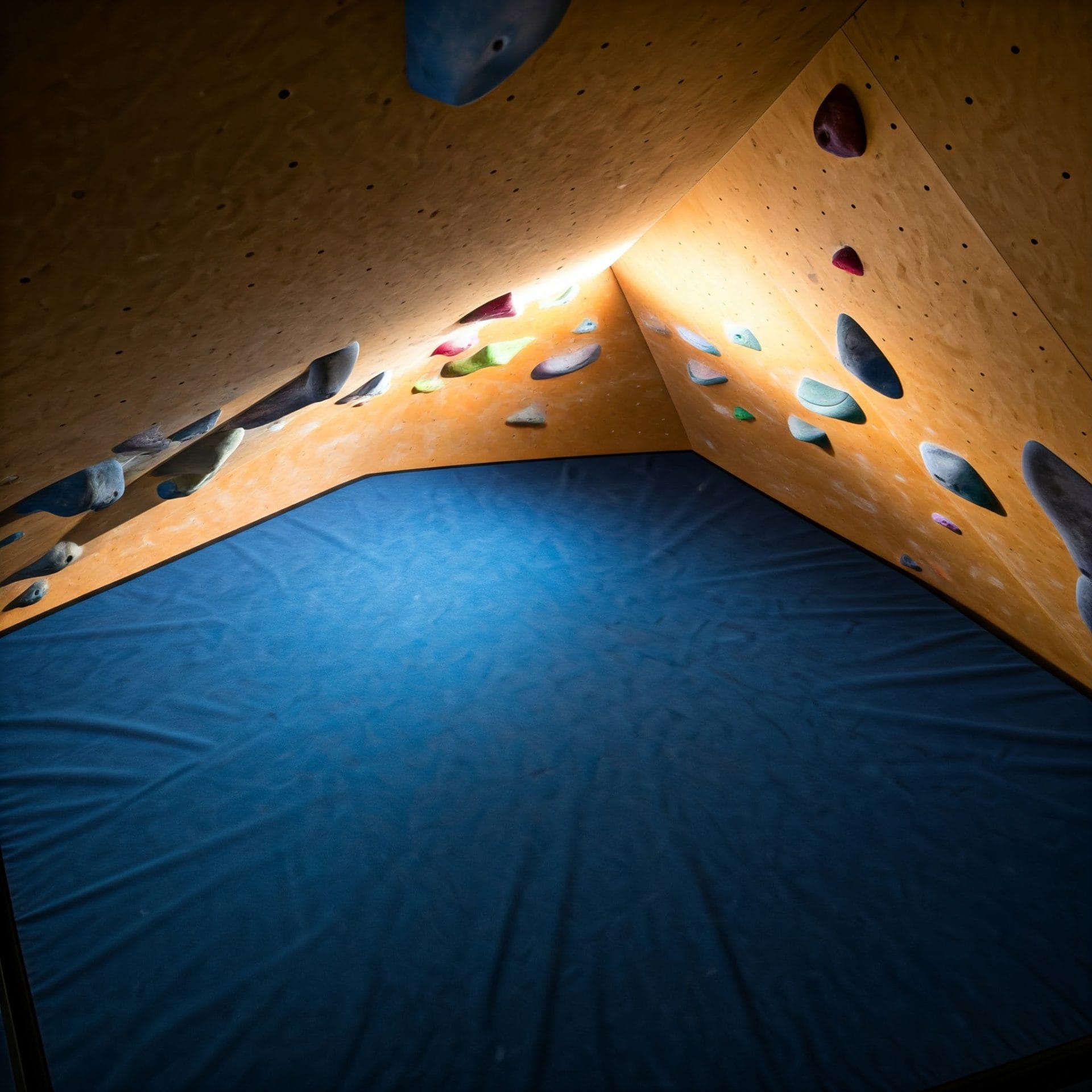
In climbing gyms, there’s an invisible fall zone—an area beneath and around climbers where they might land. It’s like the no-walk zone at school: you wouldn’t wander into a classroom during a lesson, right? The same goes for the fall zone.
Here’s what to keep in mind:
- Stay clear of the base of the wall, especially when someone’s climbing.
- Don’t stand too close to climbers, especially on higher walls.
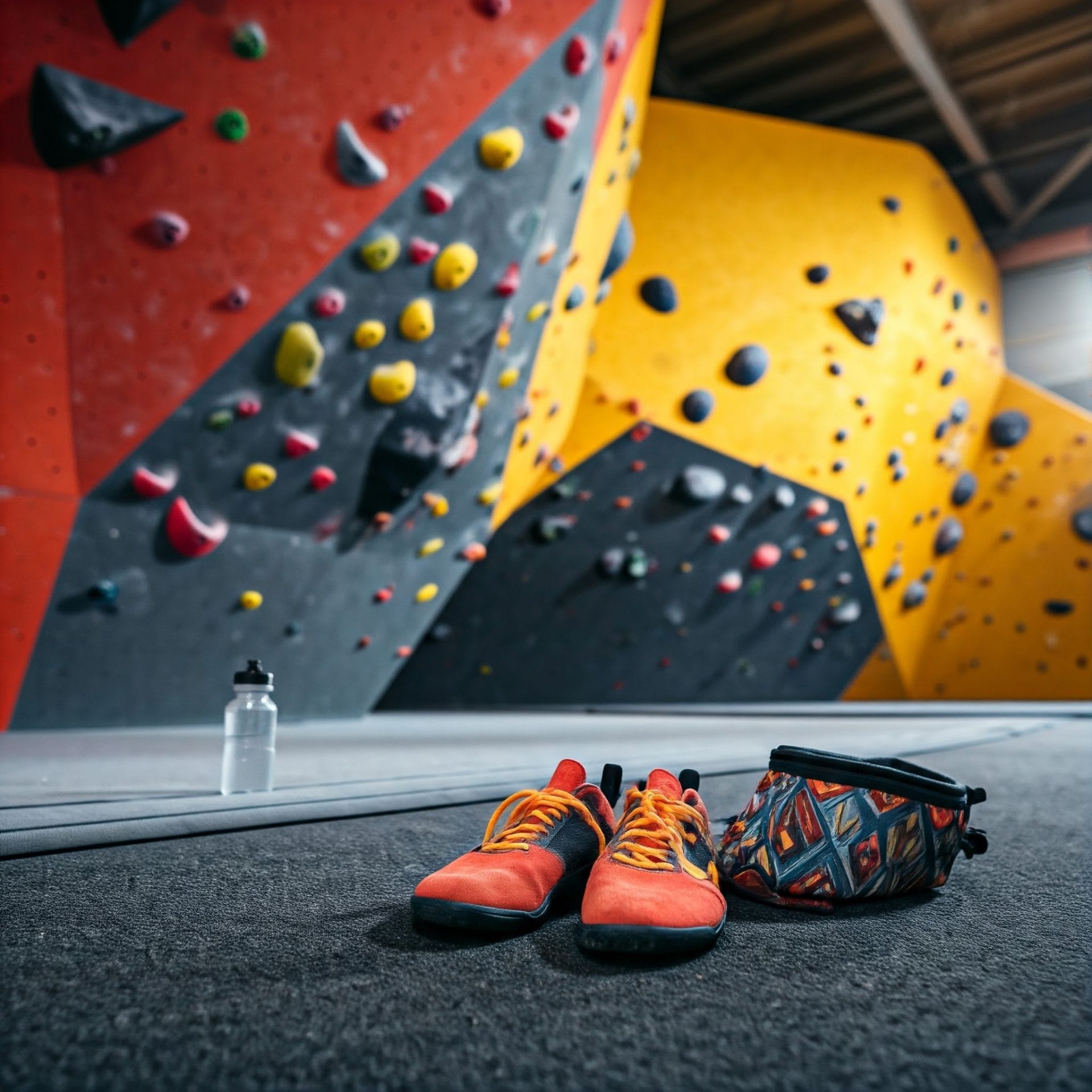
- Be aware of falling gear like chalk bags, shoes, or water bottles.
- Watch for traffic flow, as people move between climbs.
I once got too focused on my climb, and a guy fell unexpectedly. I barely jumped back in time. It made me realize how easy it is to forget the fall zone when you’re caught up in climbing. Always be aware and give others space to fall safely. Safety first!
5. Be Patient
Credit:Boulder Baddle
Climbing can really wear you out. You might feel your muscles burning, your grip slipping, or your brain just plain tired from figuring out the next move. When that happens, it’s okay to take a break. Resting is part of the process, and while you’re resting, make the most of it.
Here’s how watching others can help:
- Learn new techniques: You might notice a footwork trick or a weight shift that makes a climb easier.
- Get inspired: Seeing someone conquer a tough route might motivate you to try something harder.
- See from a different angle: Sometimes watching others gives you a fresh perspective on holds or approaches.
- Take a mental break: Resting gives your muscles time to recover and your brain a chance to recharge.
When I was stuck on a problem, watching a climber use a heel hook showed me a technique that worked perfectly for me. Resting, observing, and learning can make a big difference in your climbing journey.
Conclusion
Taking turns on the bouldering wall is really important! It ain’t just about the rules; it’s about making climbing fun, safe, and friendly for everyone. You gotta be aware of your surroundings and talk to other climbers when it’s your turn. Respecting each other’s space can make a big difference. So, next time you hit the climbing gym, keep these tips in mind. Make the most of your climbs and enjoy the company around you! Happy climbing!
FAQ
What does “taking turns on the wall” mean in bouldering?
Taking turns on the wall means that climbers wait for their turn to climb a particular route or problem. Instead of everyone climbing at once, climbers coordinate so that only one person is on the wall at a time. This helps keep things safe and organized, allowing each climber to focus without distractions.
Why is it important to take turns when bouldering?
Taking turns is important for safety and fairness. It helps prevent overcrowding on the wall, which can lead to accidents. Plus, it gives each climber a chance to try the problem without feeling rushed or pressured by others climbing simultaneously.
How do you decide who goes first when taking turns?
Deciding who goes first can be simple. Climbers can take turns based on who arrived at the wall first or by drawing straws. Some groups prefer to let the person who last climbed go first again. Whatever method works best for your group is fine, just make sure everyone agrees.
What should you do while waiting for your turn to climb?
While waiting, it’s a good idea to observe others climbing. This helps you learn techniques and maybe even pick up some tips. You can also stretch, visualize your climb, or offer encouragement to your friends. Staying engaged keeps the vibe positive and fun.
Can you take turns with multiple climbers on the same problem?
Yes, taking turns with multiple climbers on the same problem is common. Just make sure everyone knows the order, so it’s clear who’s next. This helps avoid confusion and ensures that everyone gets a fair shot at climbing the problem.
What are some signs that it’s time to change turns?
It’s usually time to change turns when the climber finishes their attempt, whether they succeeded or fell. You can also set a time limit, like two or three minutes, to keep things moving. Just make sure everyone knows when it’s their turn to avoid any mix-ups.
How can you keep track of turns when bouldering with a big group?
In a big group, keeping track can get tricky. You might create a simple system where climbers call out their names in order or use a timer for each turn. You could also establish a visual signal, like a piece of chalk on the ground, to help everyone see whose turn it is next.
What if someone interrupts or breaks the taking turns rule?
If someone interrupts the flow, it’s best to address it calmly. Explain the importance of taking turns and how it keeps everyone safe. Most climbers will understand and be respectful if you remind them. Open communication is key to a fun bouldering session.
References
- https://www.ballroomclimbing.co.uk/blog-posts/beginners-guide-to-bouldering
- https://gripped.com/indoor-climbing/bouldering-etiquette-for-the-gym-climber/